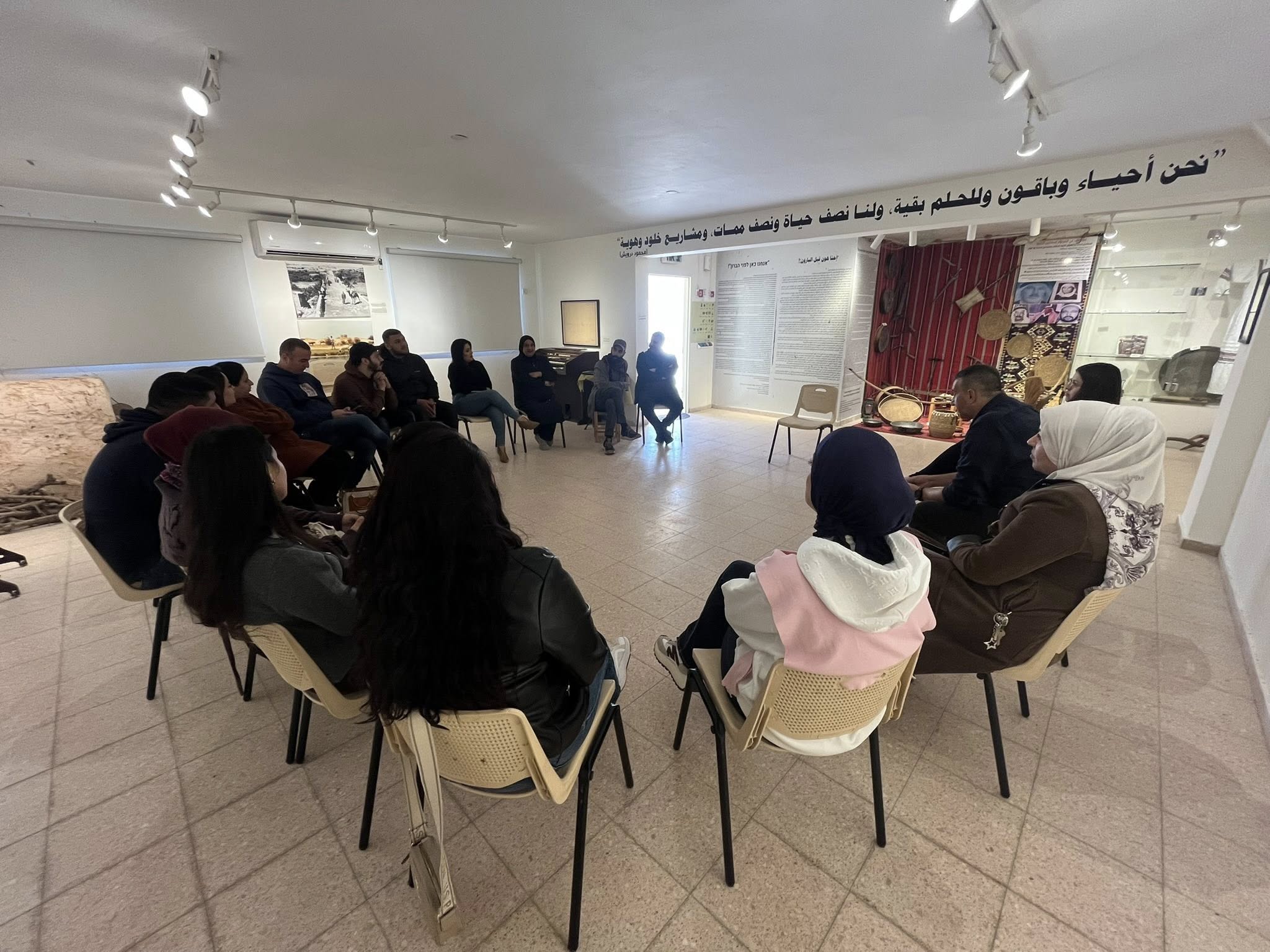
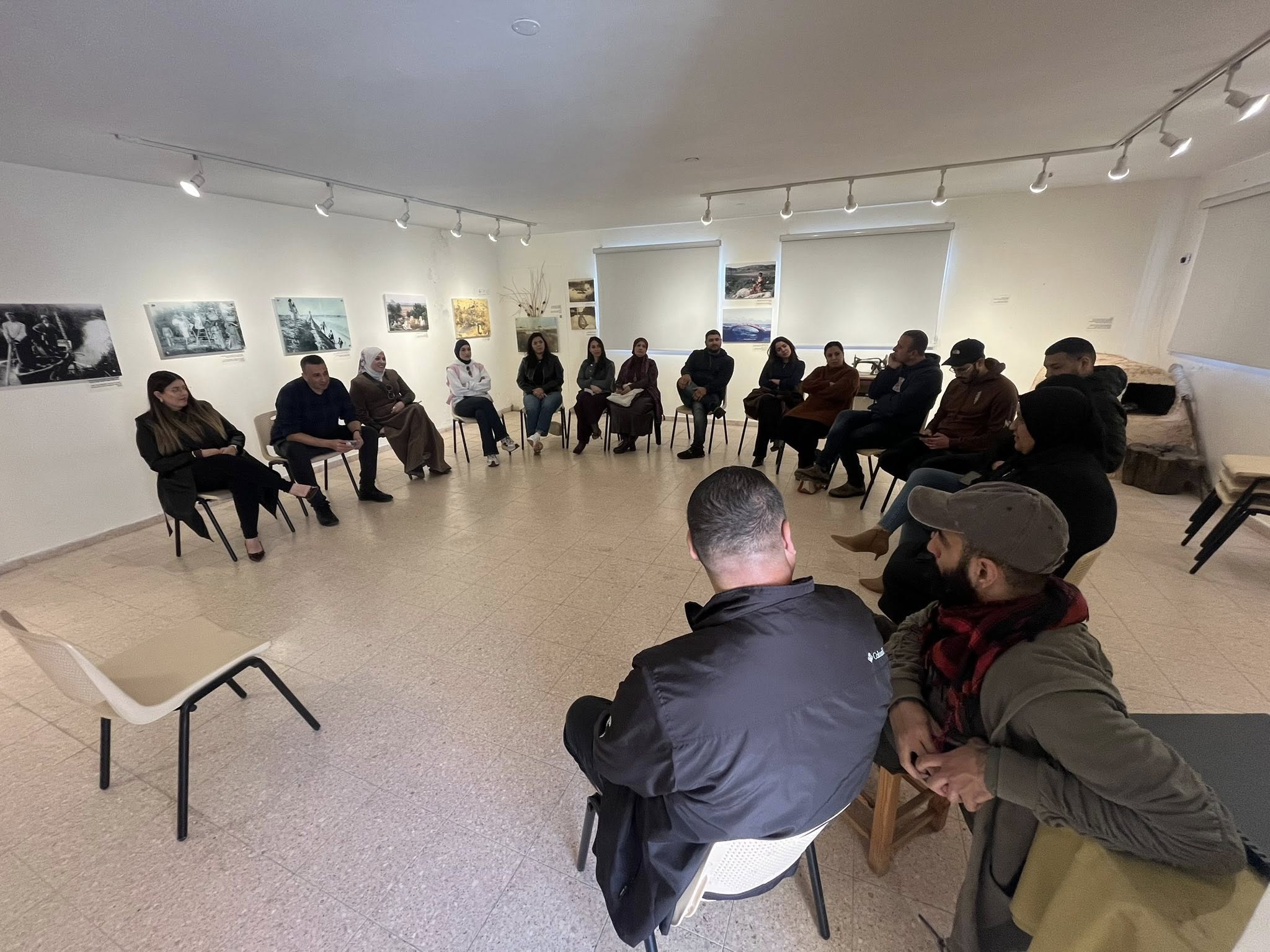
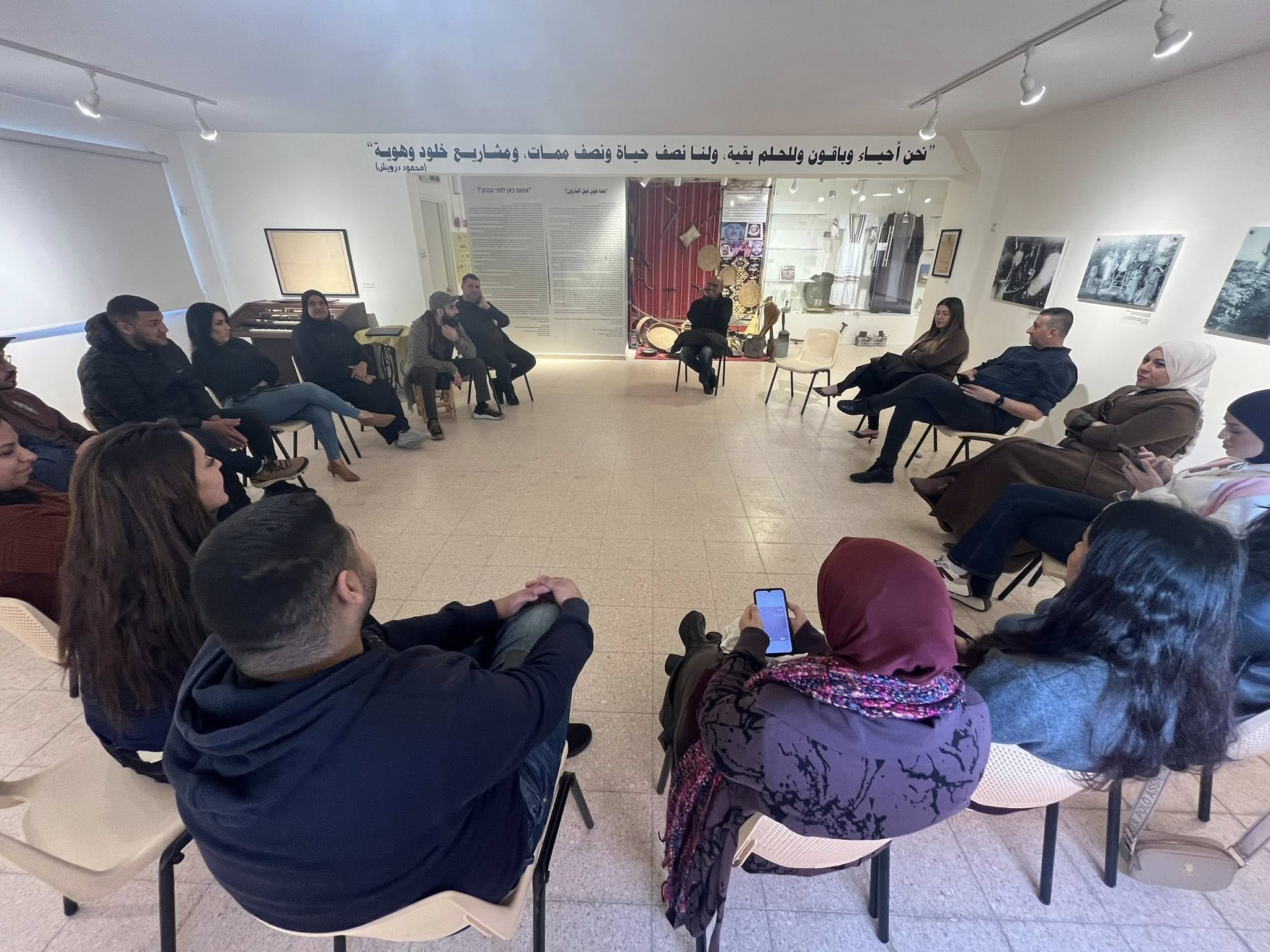
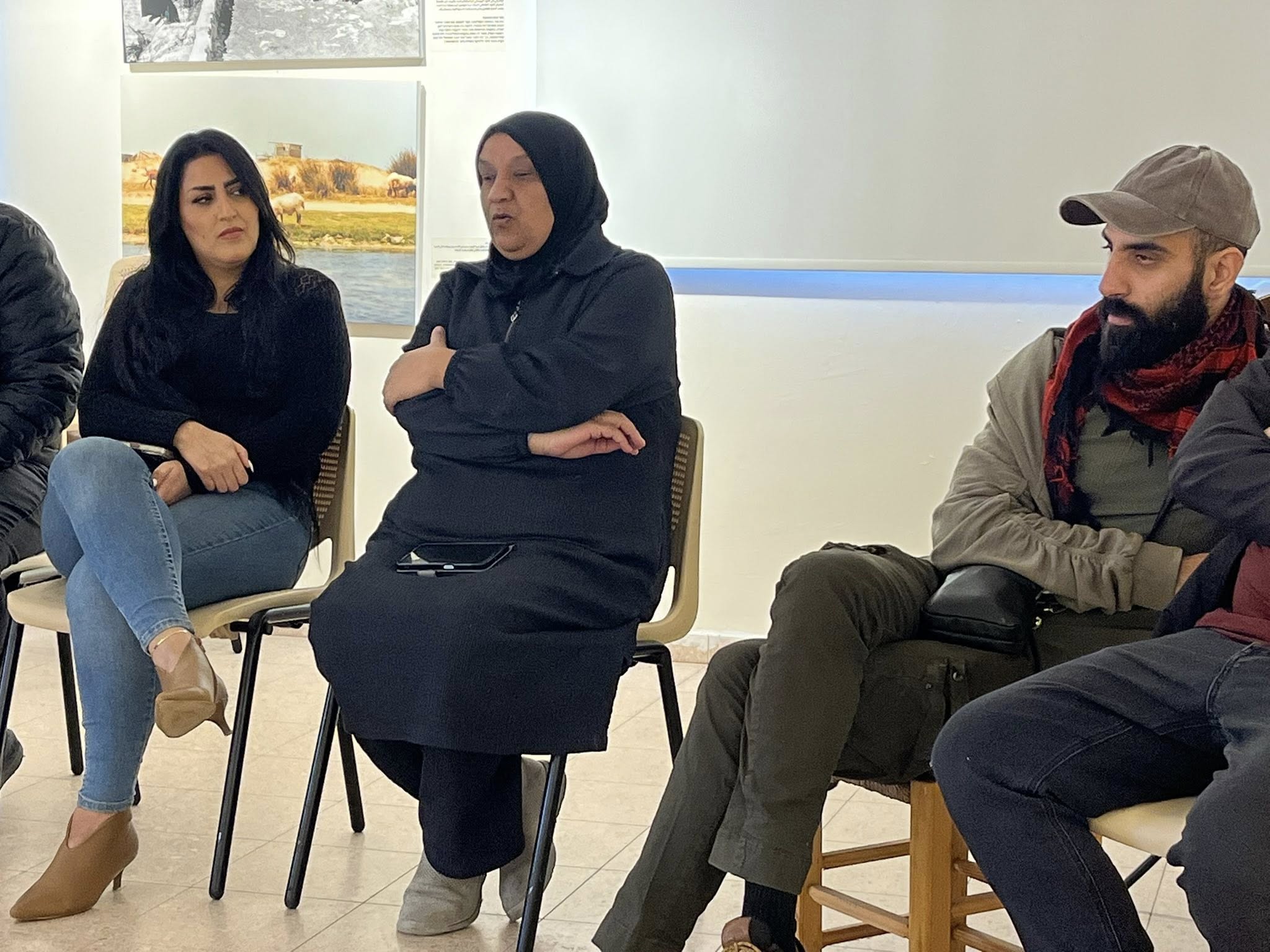
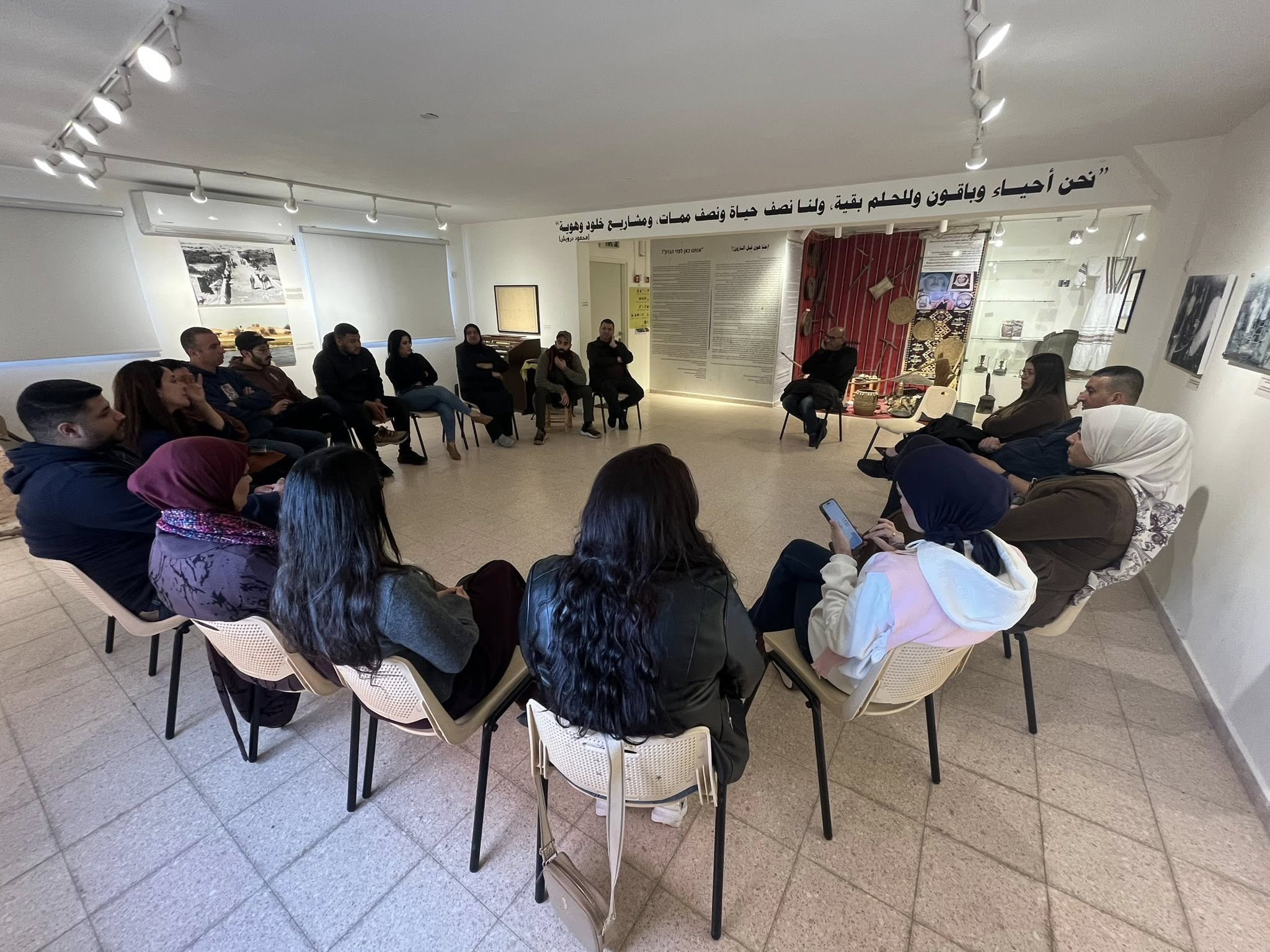
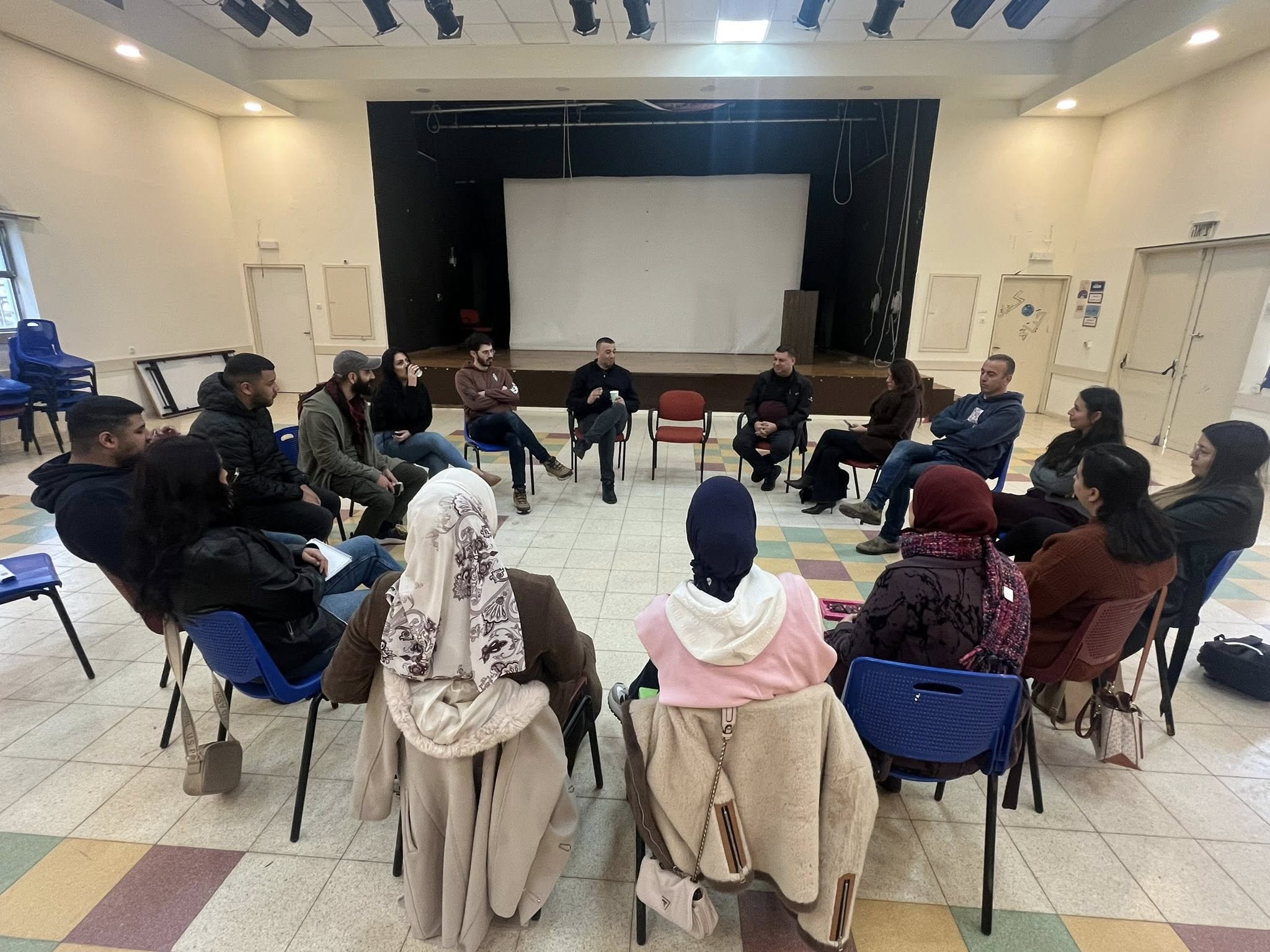
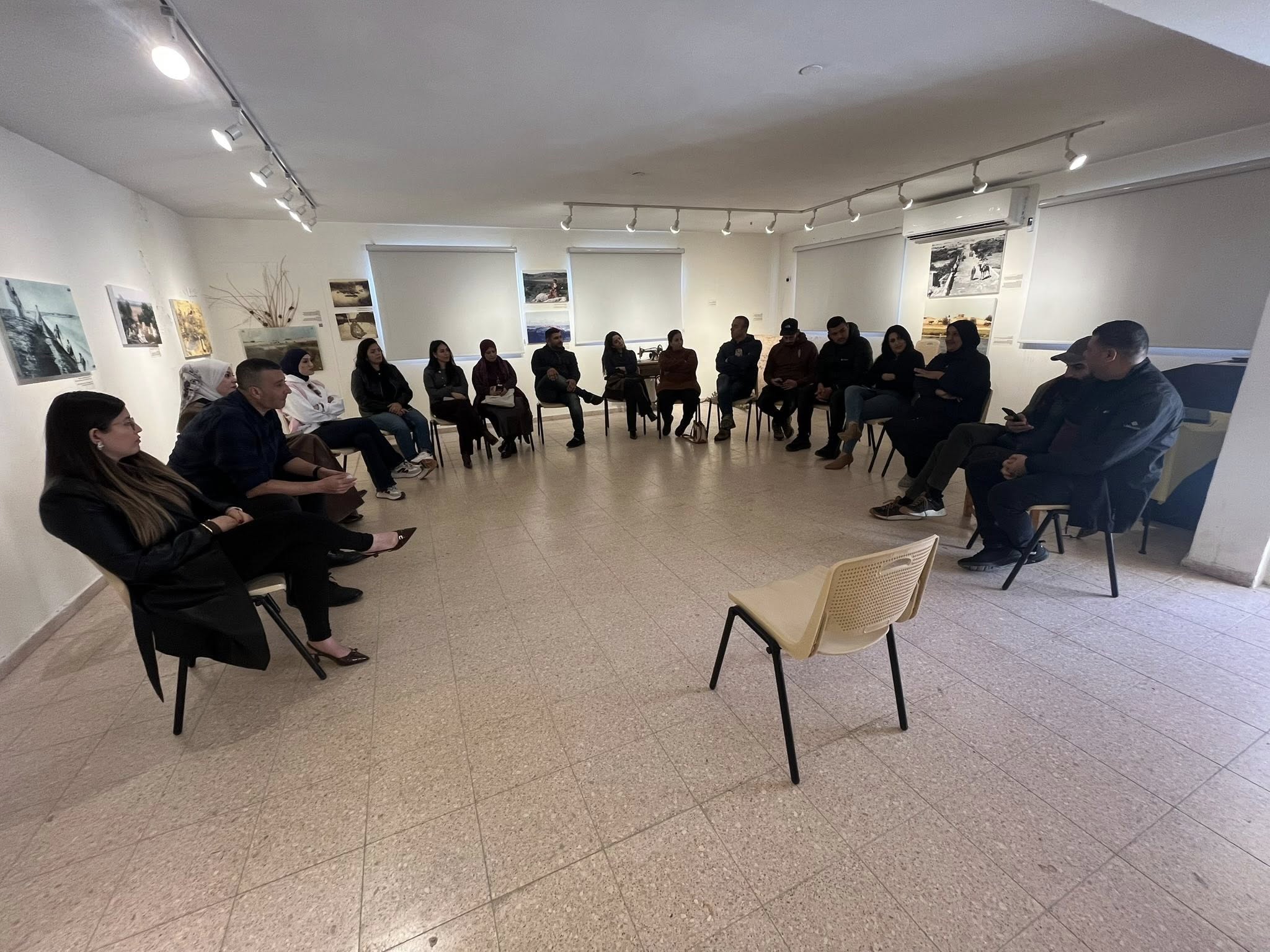
Initiated by the Jisr az-Zarqa Heritage Center and the Youth Unit of the Local Council, the leadership and management of the Ajyal Movement organized, on January 25, 2026, an educational tour and study day in the village of Jisr az-Zarqa, which began with an official reception at the community center.
At the start of the day, Mahmoud Sadiq Ammash, Director of the Youth Department at the local council, delivered a comprehensive presentation on the state of youth movements in the village. He reviewed programs for developing young leadership, as well as the social and educational challenges facing boys and girls.
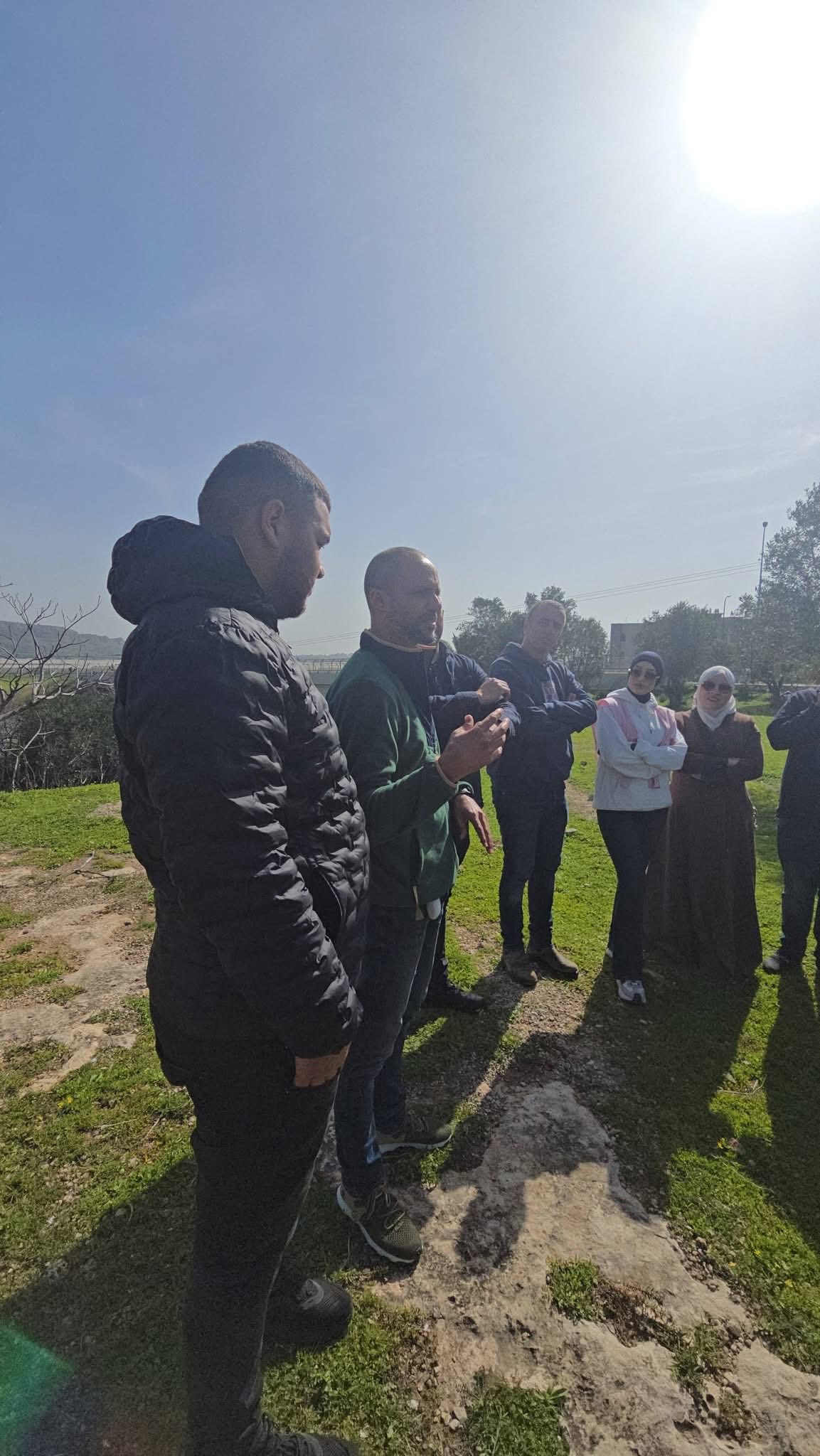
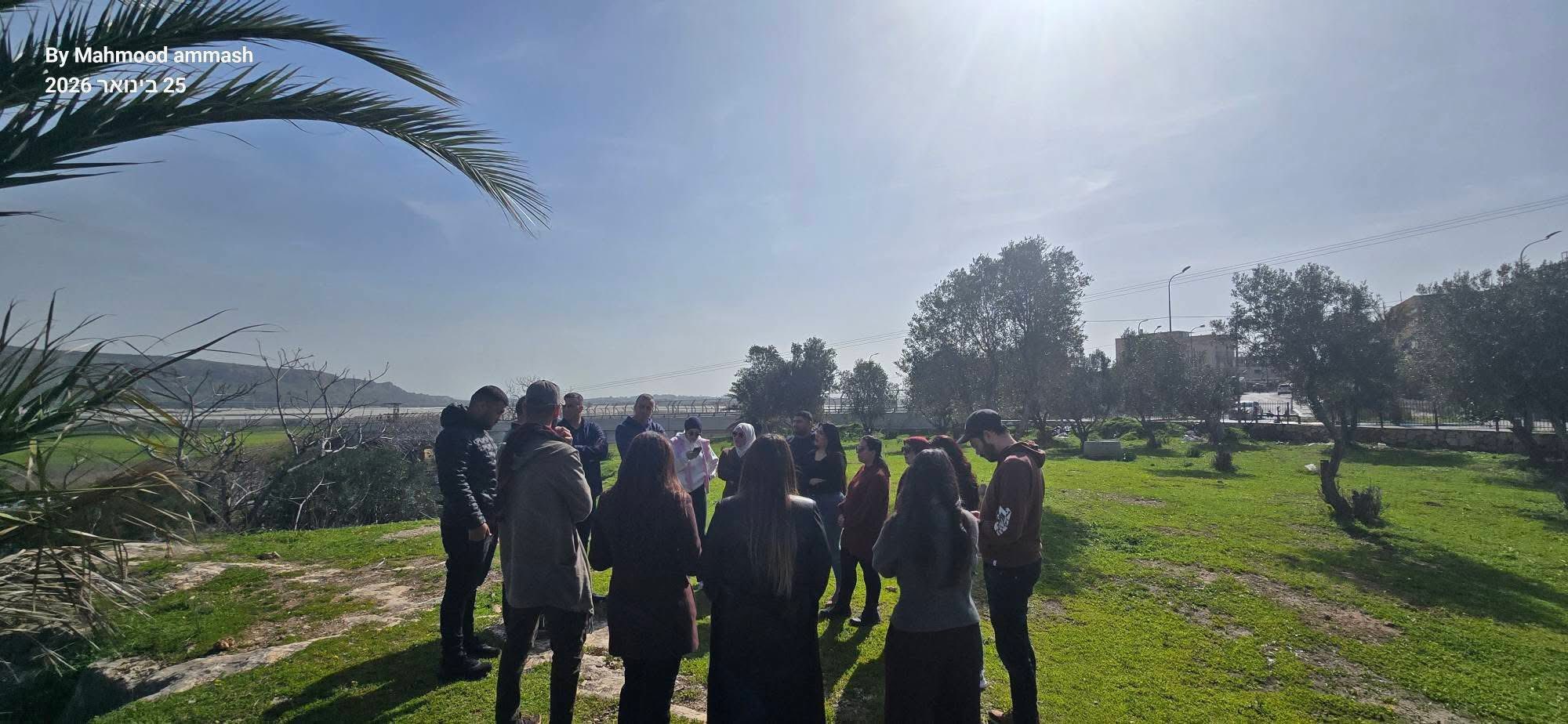
Participants then set out on a field tour that included several stops. The first was Peace Park, where researcher, social activist, and Director of the Jisr az-Zarqa Heritage Center, Sami Al-Ali, presented a historical overview of the village’s development and its unique identity, highlighting the connection between local history and present-day realities.
In the village center, participants observed daily life in Jisr az-Zarqa firsthand, with a focus on geographic isolation, high population density, and their social, educational, and economic impacts—particularly on youth and patterns of negative migration.
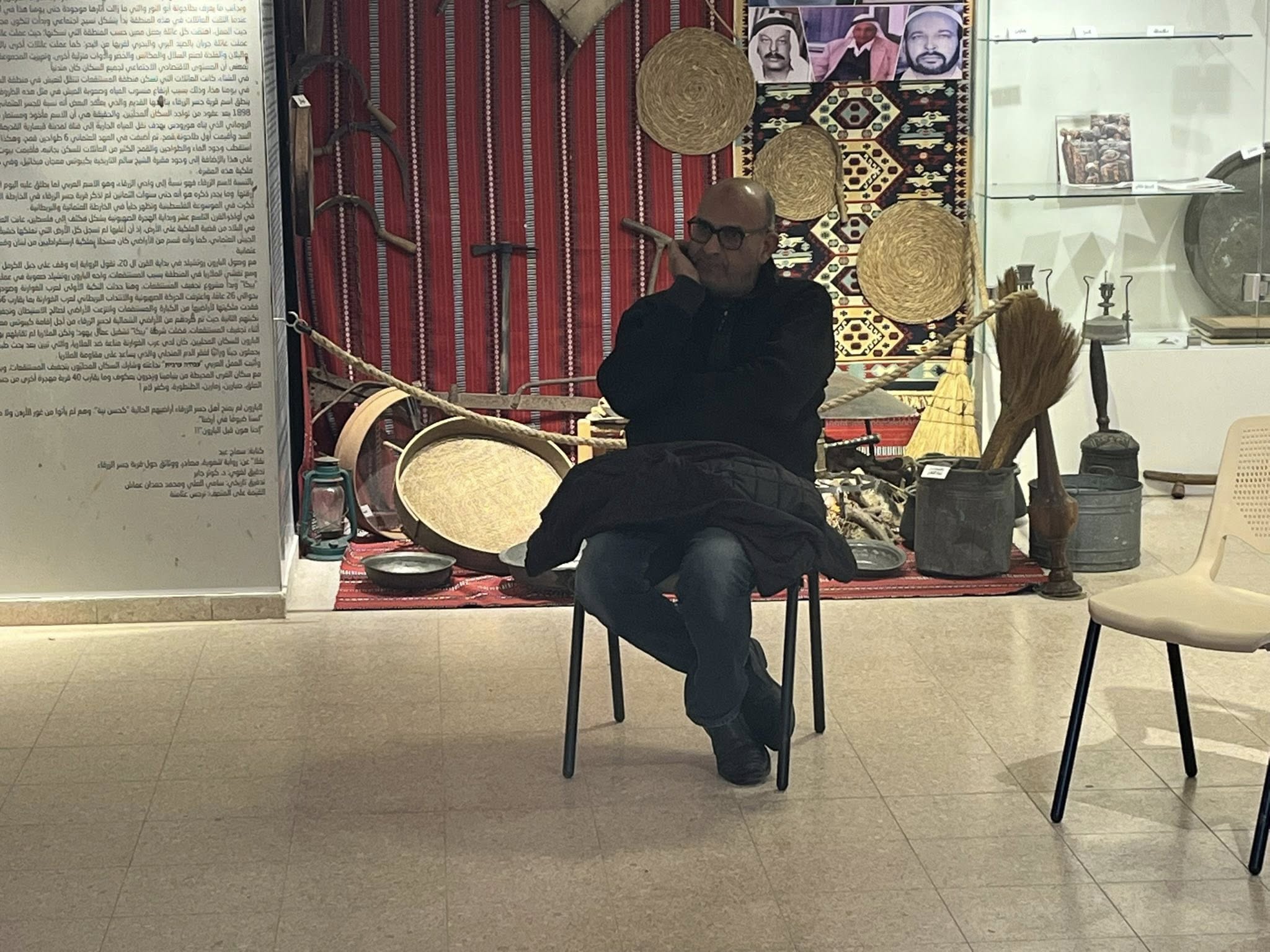
At the Jisr az-Zarqa Museum, Sami Al-Ali presented a comprehensive picture of the village’s strengths and challenges across education, social welfare, tourism, the economy, and its geographic location, alongside potential opportunities for development.
The group also met with Ms. Sahira Jarbaan, a social activist and member of the “Influential Women” group, who outlined the group’s vision and goals in empowering women, strengthening community resilience, and providing psychological support in times of emergency and loss.
Dr. Mohammad Jarbaan, Director of Al-Wafaa School for Special Education, provided a professional analysis of the challenges facing the local education system, followed by a professional discussion.
Participants then visited the barrier separating Jisr az-Zarqa from Caesarea, where the story of the earth wall’s construction was presented, along with its spatial and social dimensions and its impact on neighborly relations. The tour also included a review of development and housing plans, highlighting existing needs, obstacles, and possible alternatives to address the housing crisis.
The final stop was the beach and fishermen’s village, showcasing the coastal potential, the unique fishing heritage, and its role as a tourism driver. The government decision related to the village and its benefits across various aspects of life were also explained. The tour concluded with a shared lunch.
At the end of the day, a summary discussion was held on prospects for community cooperation, with a special focus on youth engagement. Participants emphasized the importance of confronting negative stereotypes about the village and its youth through multi-level partnerships and Ajyal Movement programs, in ways that enhance self-confidence, improve public image, and contribute to building sustainable social momentum and long-term community infrastructure.