

but living pages from the village's memory and cultural identity."
Jar
"Nature's refrigerator before electricity."
A pottery tool made from clay to become a vessel of life. Before villages knew the meaning of electricity, the jar was the faithful guardian of cool water on blazing summer nights. The clay from which it was shaped was not merely a material, but a mirror reflecting the coolness and purity of water, preserving its fresh taste as if it flowed from the heart of the spring.
Clay · Water · Purity

Sieve / Sifter
"When agriculture was the heart of life."
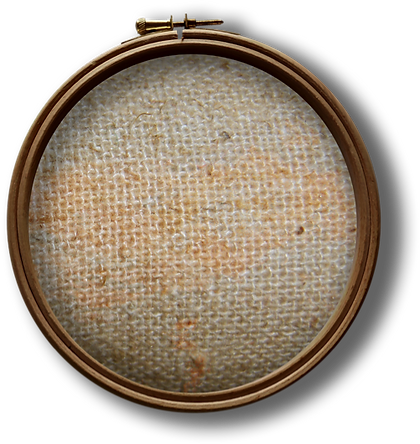
A sieve made of goat hide, it was the companion of the harvest and the tongue of blessing. Skilled hands would move it with grace, tapping its sides in an ancient agricultural rhythm, separating grain from chaff, the good from the bad. The sieve was not merely a tool, but an anthem repeated with every season, telling the story of wheat from when it was a stalk in the field until it became a loaf on the table.
Harvest · Wheat · Blessing
The Mihbash
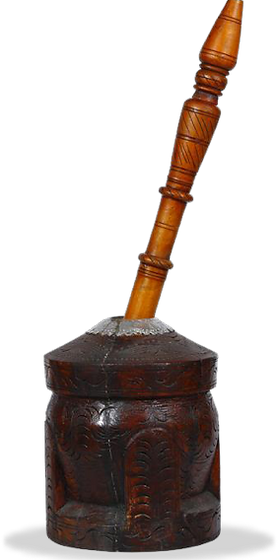
"The sound of the mihbash was an announcement of a guest's arrival."
A wooden mortar, it was the beating heart of the hospitality ritual. In it they would crush roasted coffee beans, and traditional songs would swell with every strike. The mihbash was not merely a tool, but a call to travelers and wayfarers, inviting them to share coffee and conversation. Preparing coffee was a complete ritual, beginning with grinding and ending with pouring from the dallah, making the gathering a stage for the village's news and discussions.
Coffee · Hospitality · Generosity
The Primus
"A spark that changed the details of daily life."
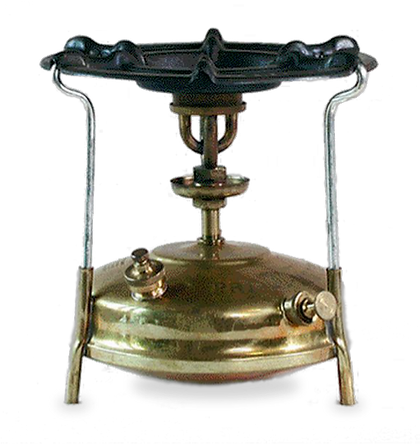
A device that runs on kerosene, it was the spark of light in the village's nights. After igniting the head with a little fuel, the kerosene in the copper tank would heat up and turn into gas. A small hand pump on the side of the tank would push the gas toward the burner head, generating a large flame that filled the space with light. The primus was not an ordinary lamp, but the village's window onto the world after sunset, a companion of the roads, and a witness to stories told in its glow.
Light · Warmth · Life
Dallah
"The symbol of hospitality that never grows old."
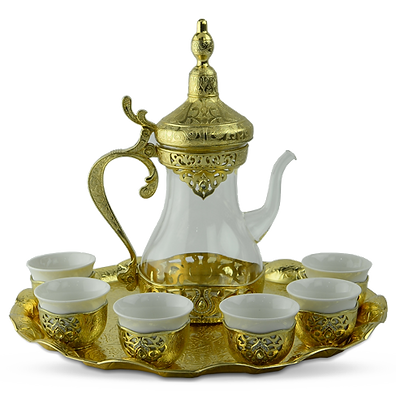
A dedicated pot, it was the conclusion of the sacred coffee ritual. From it they would pour the sweet drink into small cups, sealing a social gathering filled with conversations and discussions about the village's affairs. The dallah was not merely a vessel, but the crown of the gathering and the splendor of generosity, carrying in its curves the fragrance of the past and the warmth of the present, quenching the guest's thirst before quenching his body.
Coffee · Generosity · Loyalty
The Journey of Preserving Memory
From collecting old tools to passing heritage on to future generations
the Tools
Them
the Stories
the Museum
the Heritage
Protecting Identity and Building the Future
The dimensions of heritage preservation's impact on society
Preserving Collective Memory
Documenting the stories of the past so they remain alive in the community's conscience and a source of inspiration for generations.
Documenting the Village's History
Recording the details of daily life, customs, and traditions that shaped the village's identity over time.
Connecting New Generations to the Past
Building bridges between the present and the past, to introduce the youth to their roots and their ancestors' values.
Protecting Cultural Identity
Safeguarding cultural heritage from extinction, and preserving privacy in the face of challenges.
it lives in those who remember it."