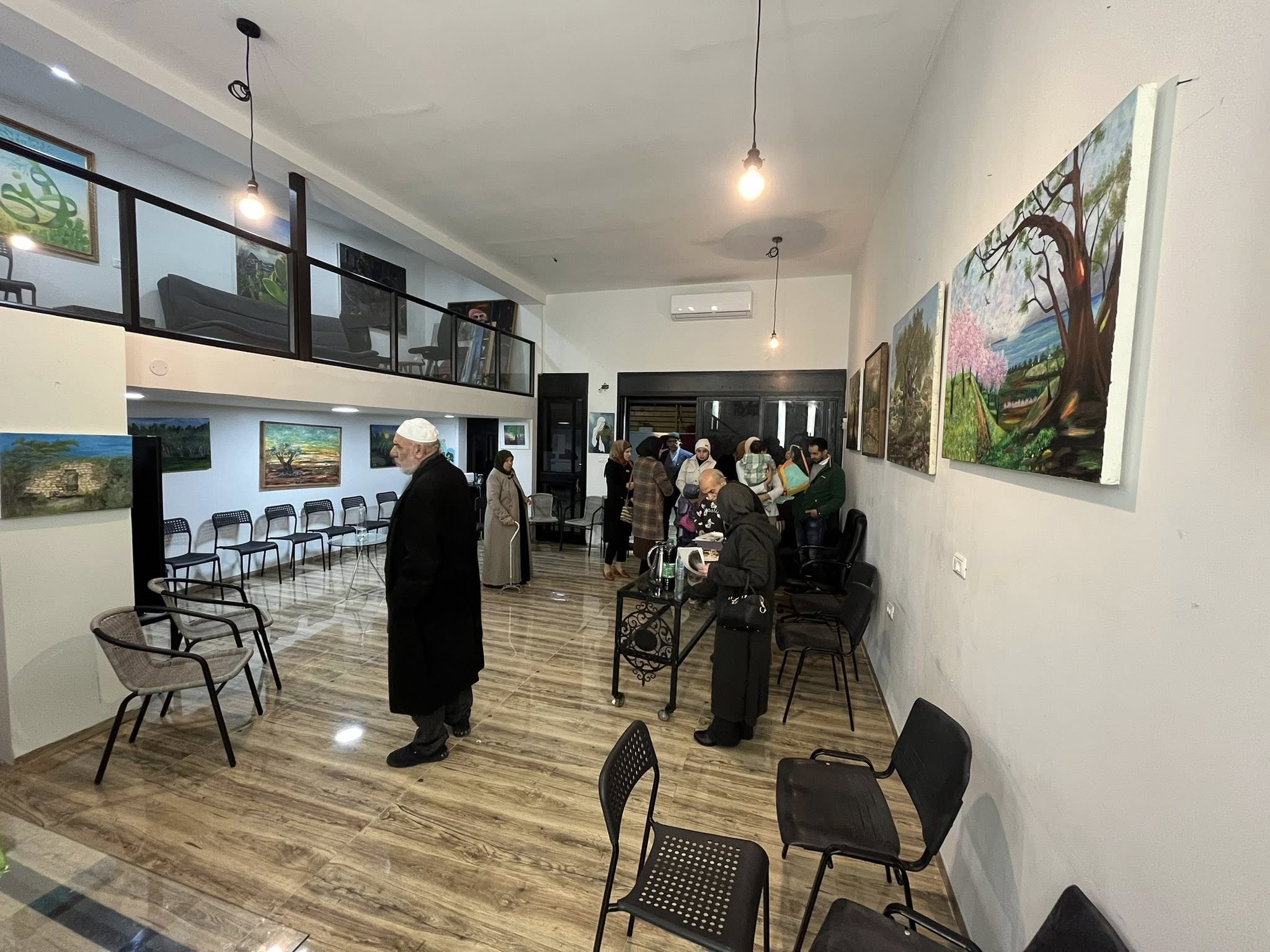
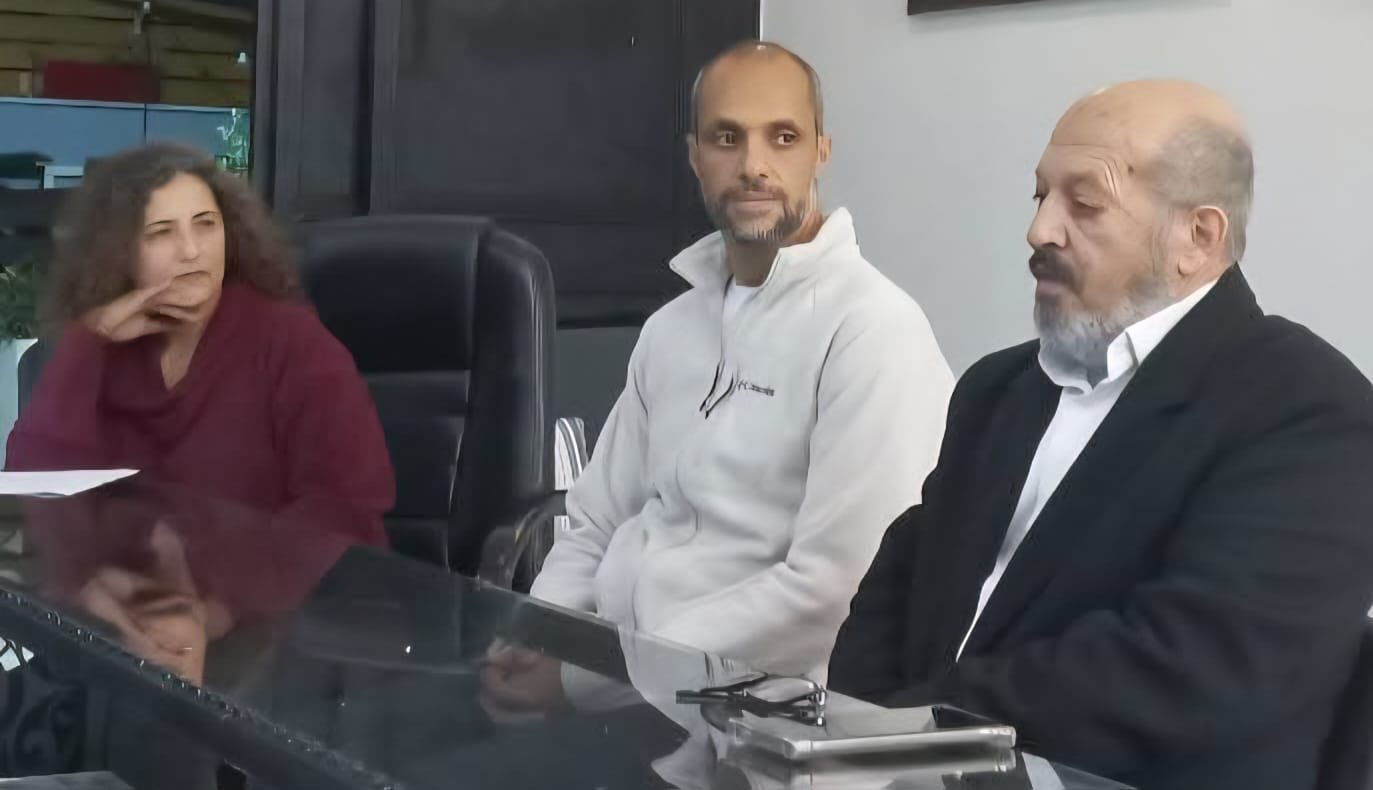
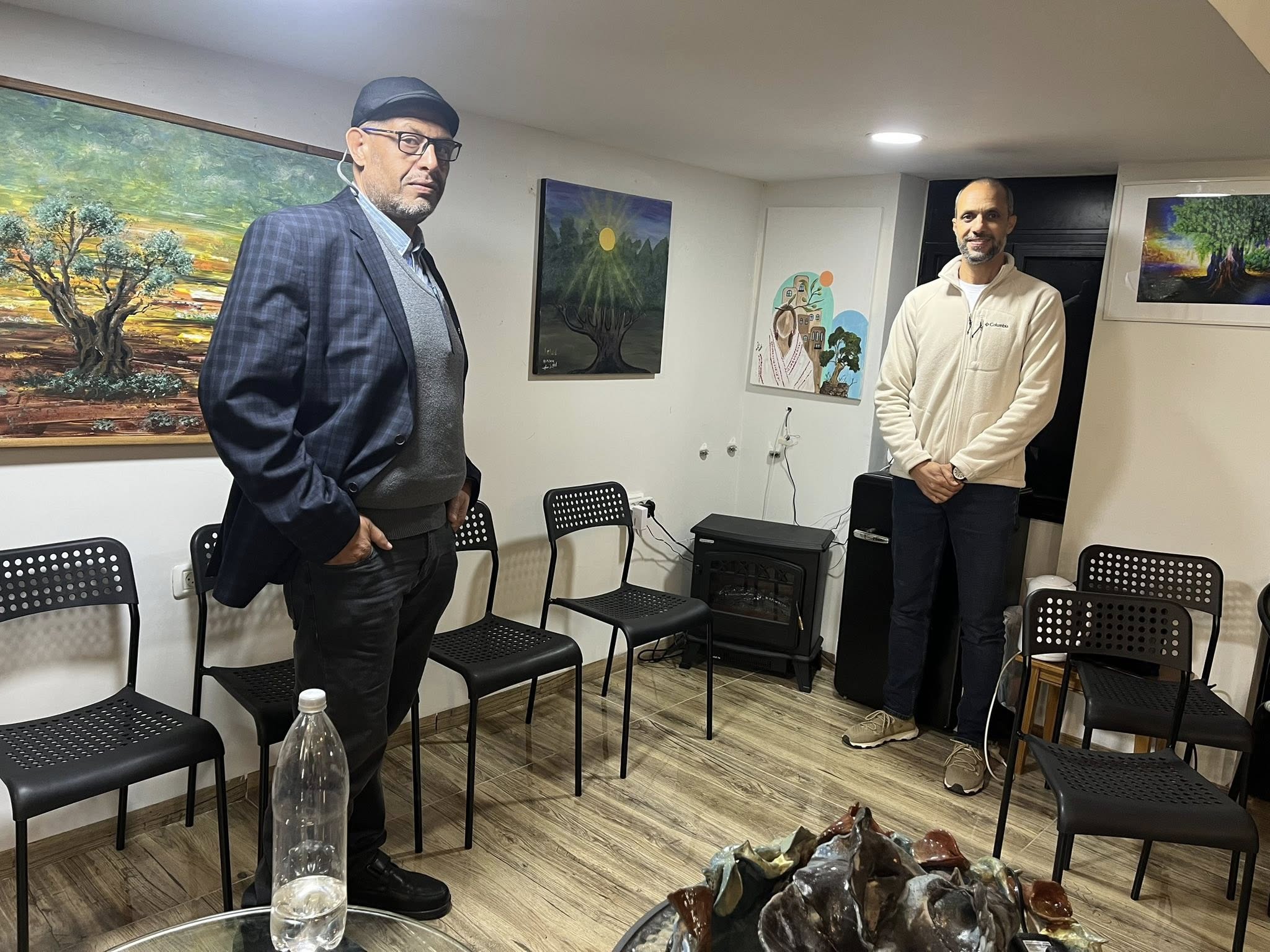
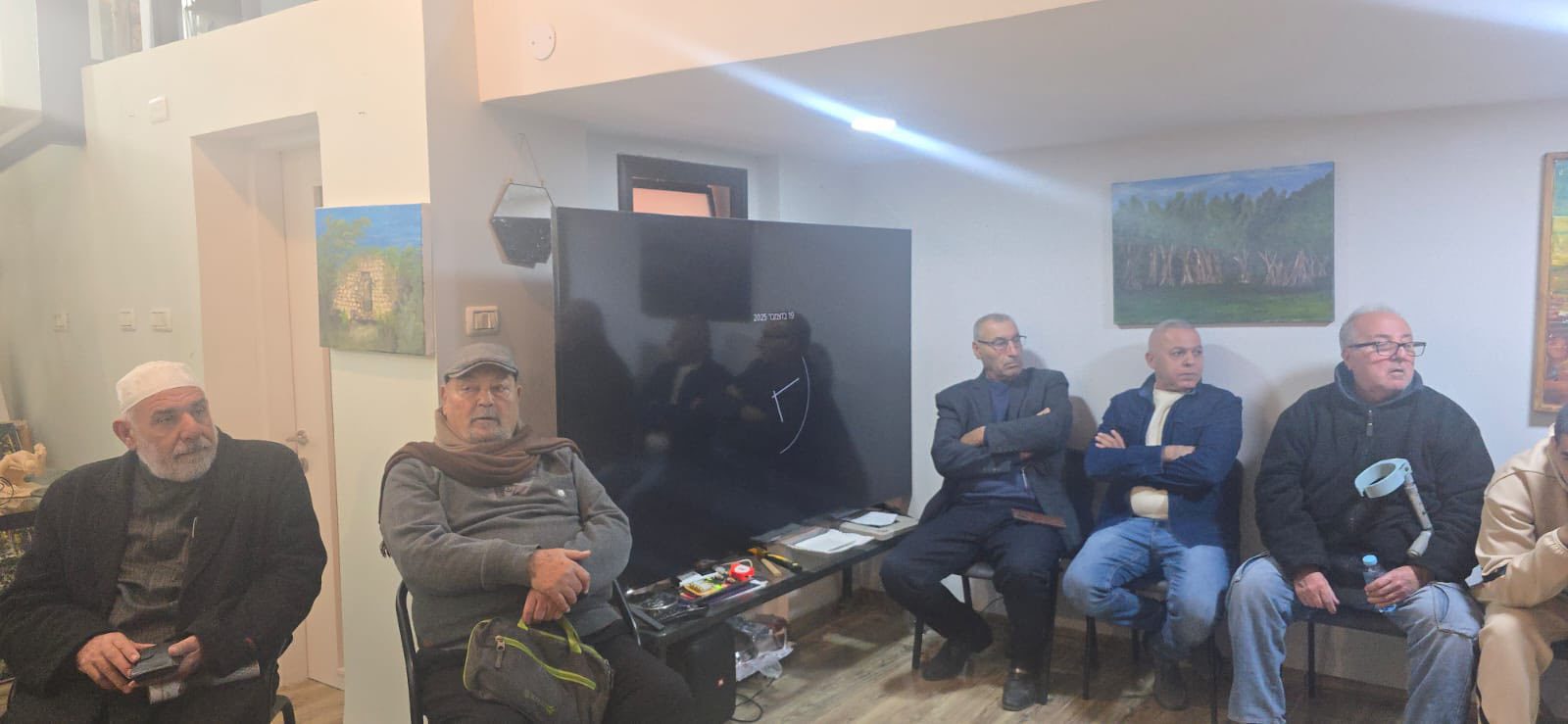
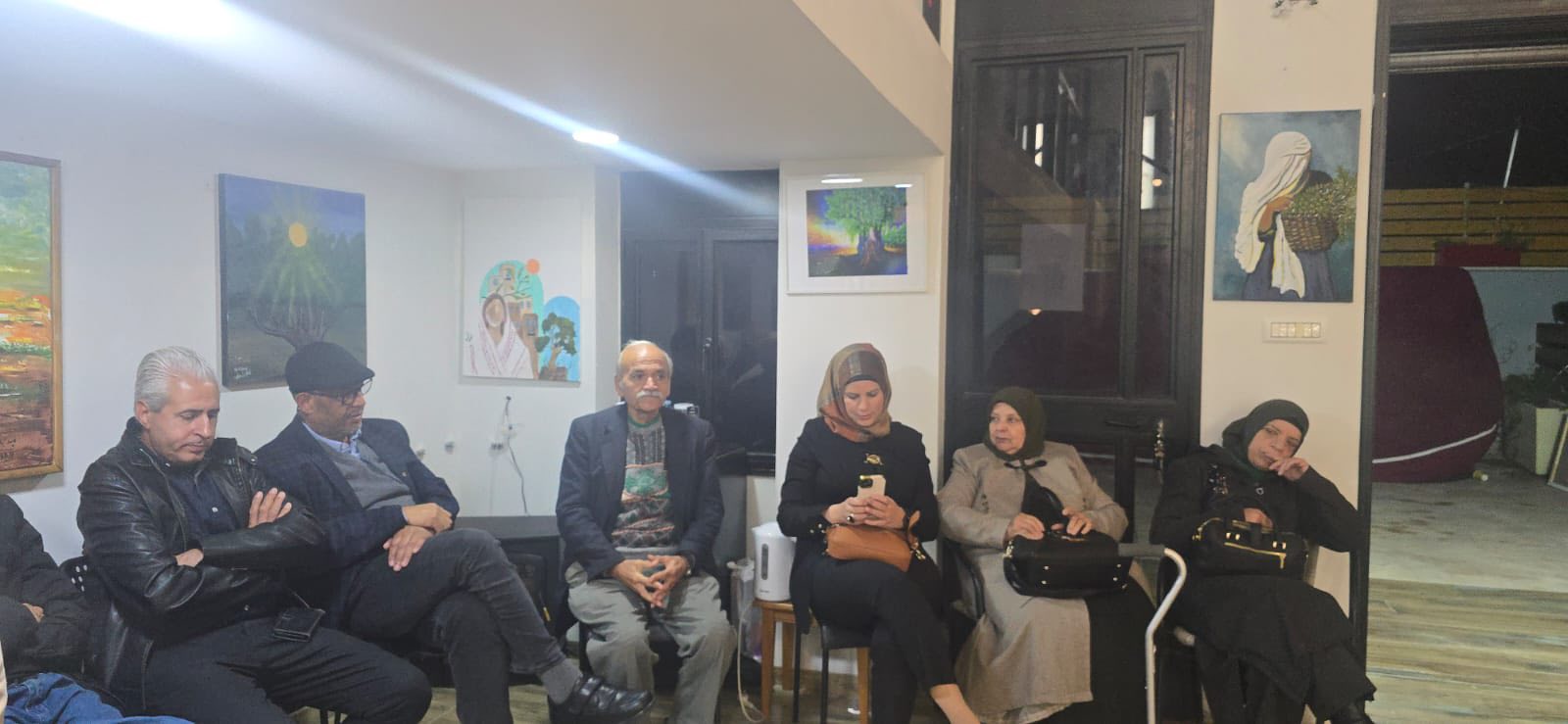
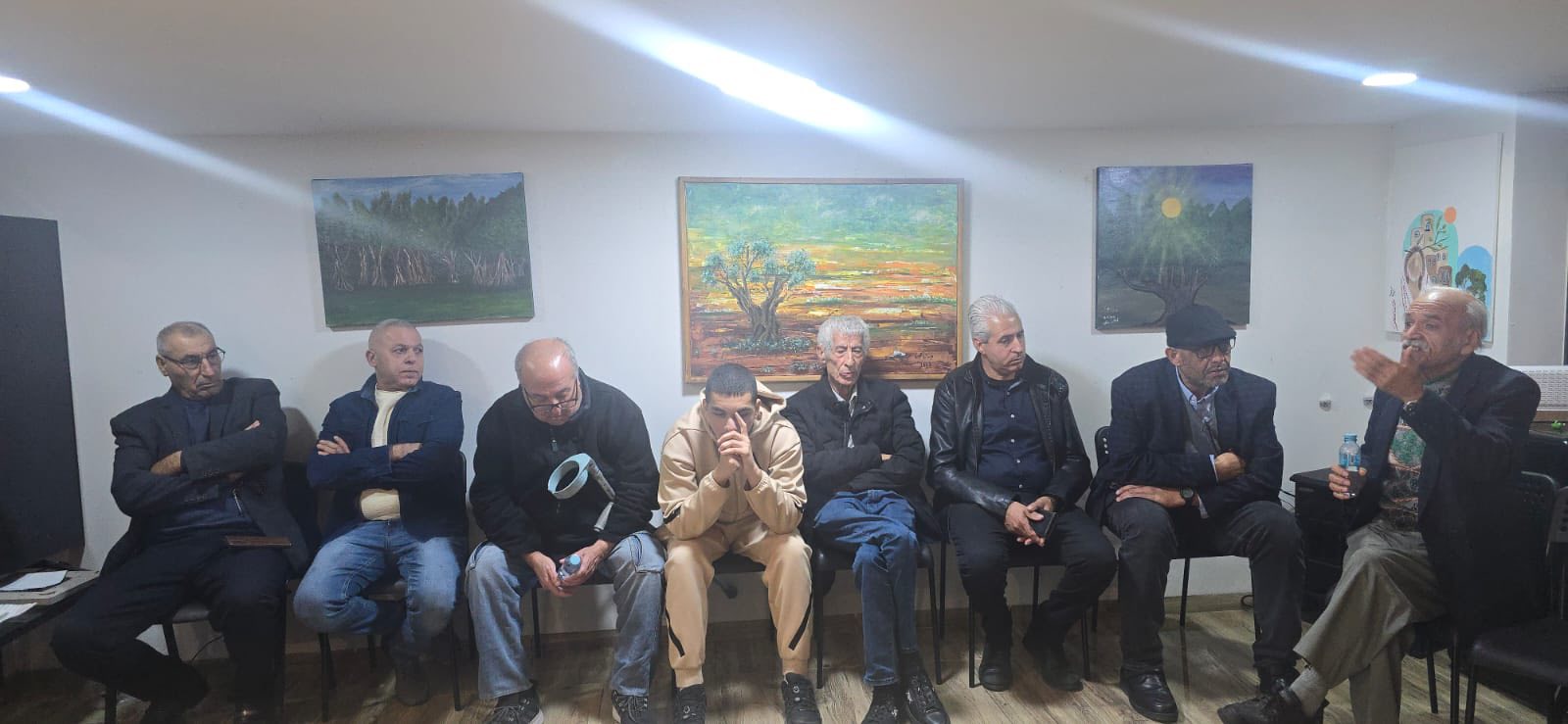
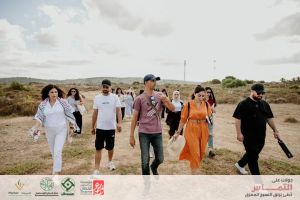
Organized by the Tanweer Cultural Foundation, a high-level cultural symposium was held yesterday evening addressing the book “Jisr az-Zarqa – Testimonies in the Face of Narratives”, with the participation of its authors, Samir Abu al-Hejja and Sami Al-Ali, and in the presence of a distinguished group of writers, poets, visual artists, researchers, and individuals interested in cultural and historical affairs.
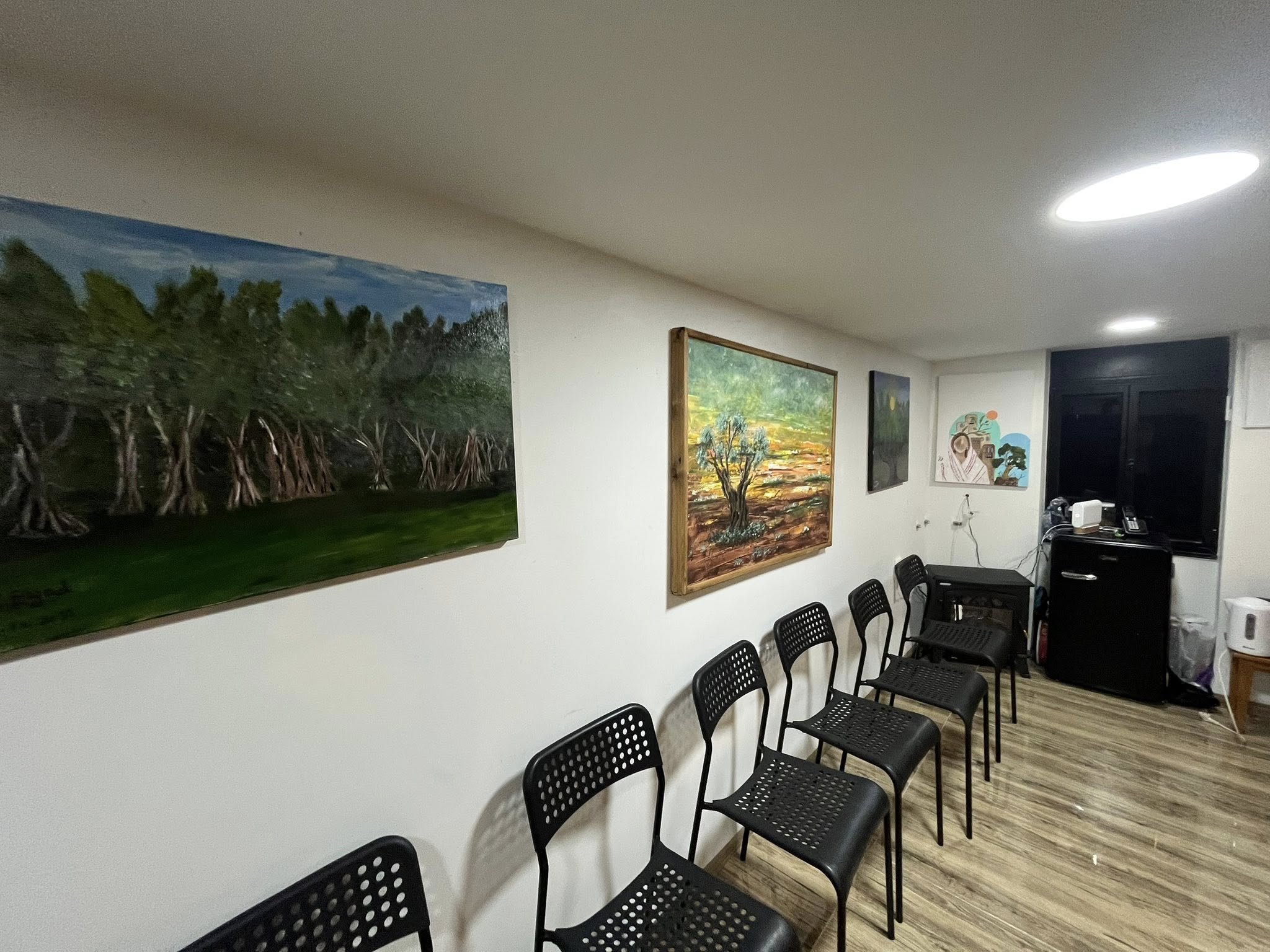
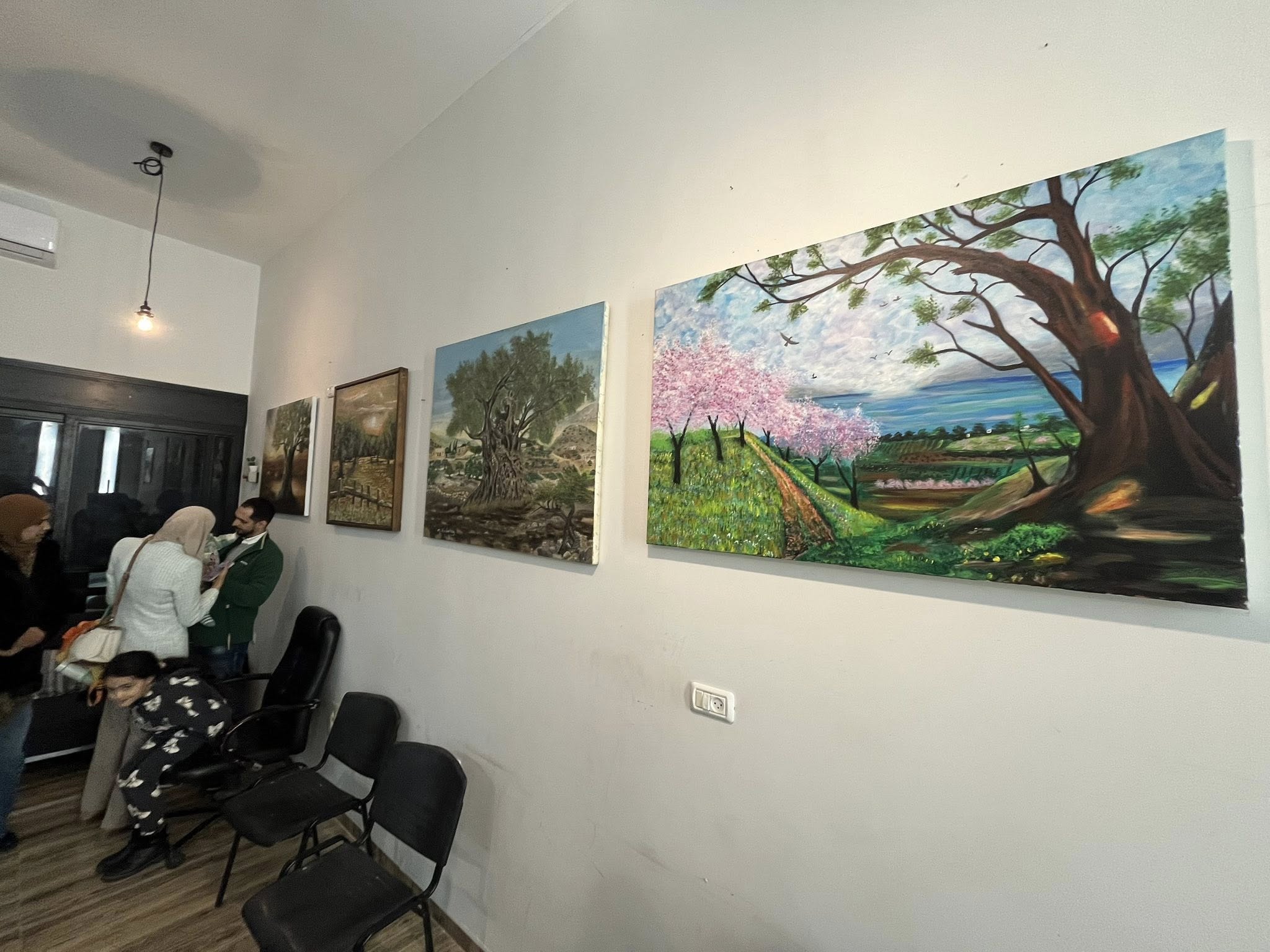
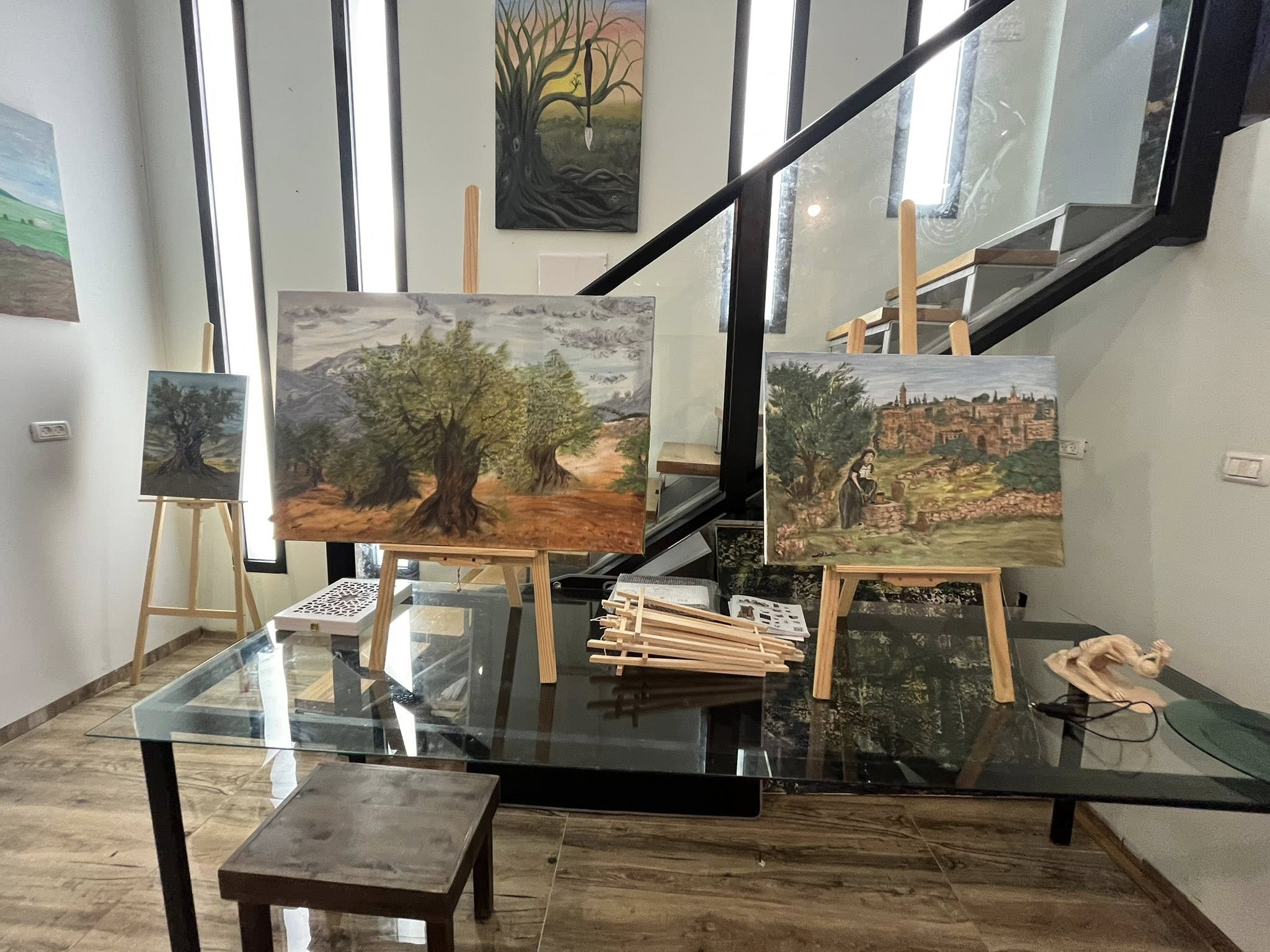
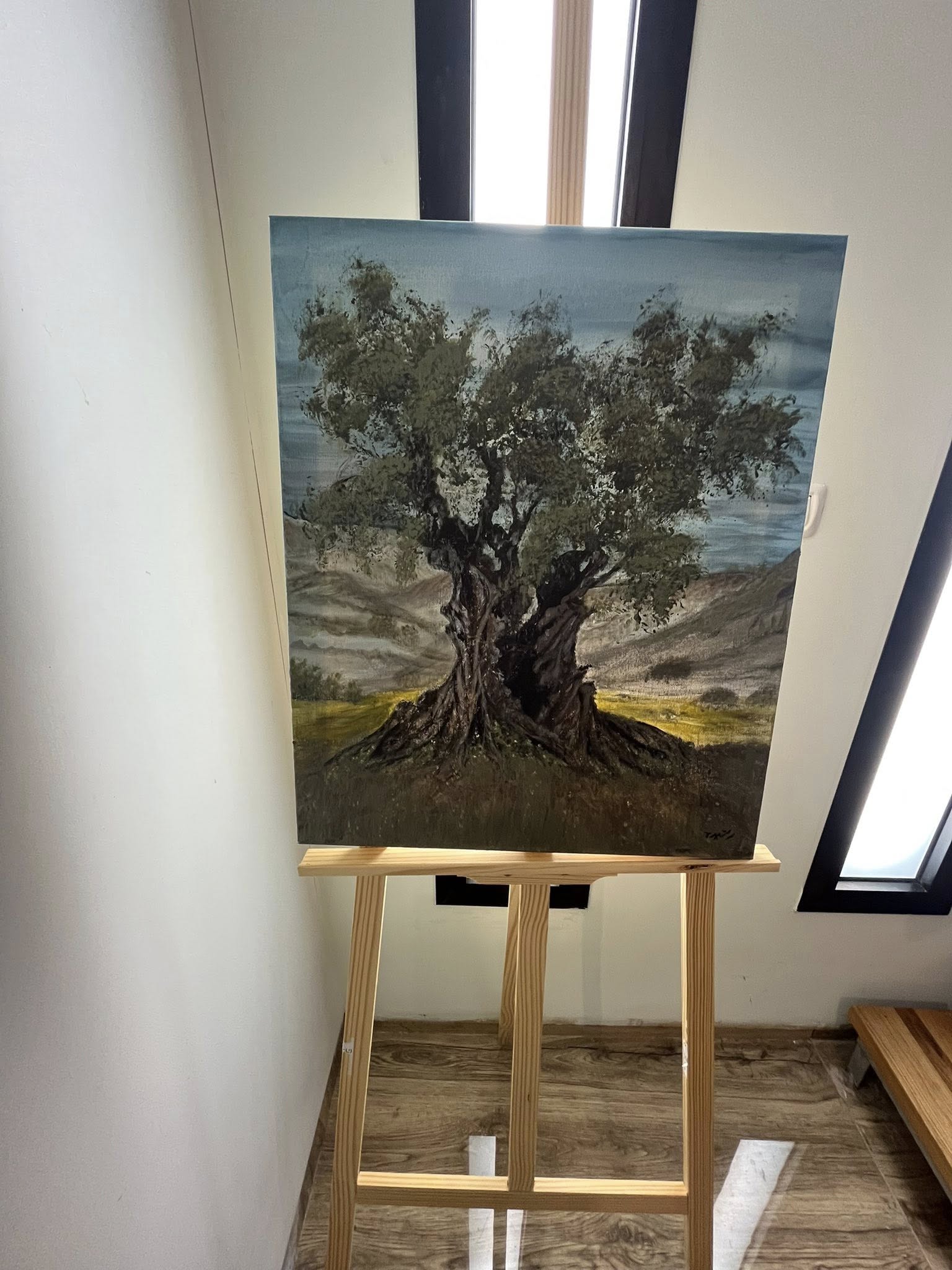
The evening opened with a visual arts exhibition titled “Olive,” featuring works by a select group of artists: Mahmoud Badarne, Hikmat Khreis, Rasheedah Sheti, Mebda Yassin, Iman Hlehel, Nour Qassoum, Faraj Othman, Iyad Jarbaan, Awsaf Zidan, Jamil Omariya, and Umaima Jarbaan, alongside a special artistic contribution by Moroccan artist Zainab Jamila Bahbah. The exhibition served as a powerful visual entry point into themes of memory, identity, and resilience, adding a profound aesthetic dimension to the symposium.
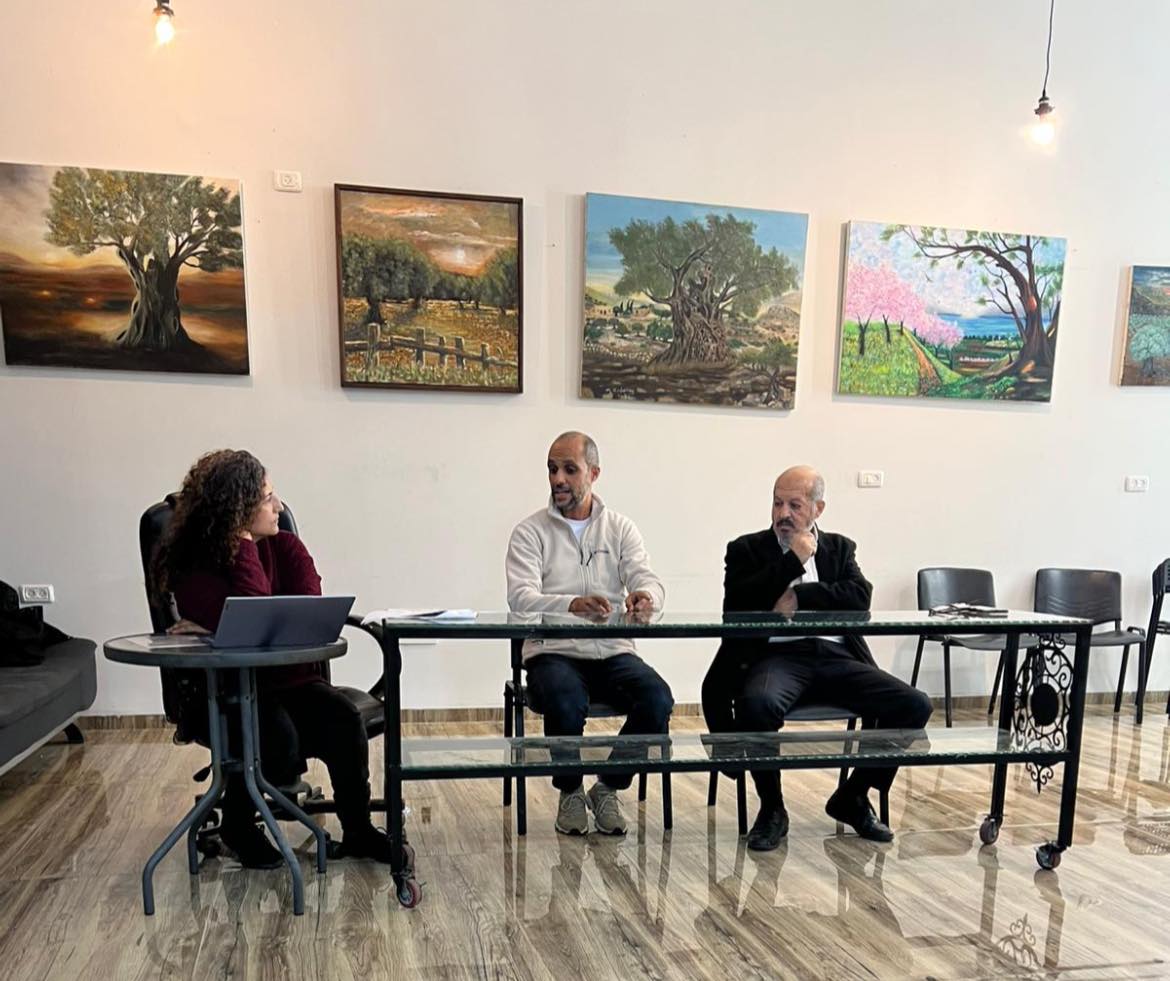
The discussion panel was moderated by Suad Khabba, Director of the Tanweer Foundation, who posed in-depth questions to the authors. They presented their experience in documenting the narrative and history of Jisr az-Zarqa through the testimonies of local residents and memory keepers, as a methodological and ethical approach to confronting distorted narratives. The authors offered a critical historical reading that systematically deconstructs the dominant narrative through a rigorous, evidence-based analysis, while highlighting the village’s resilience in the face of marginalization and siege, as well as its social and cultural development over recent decades.
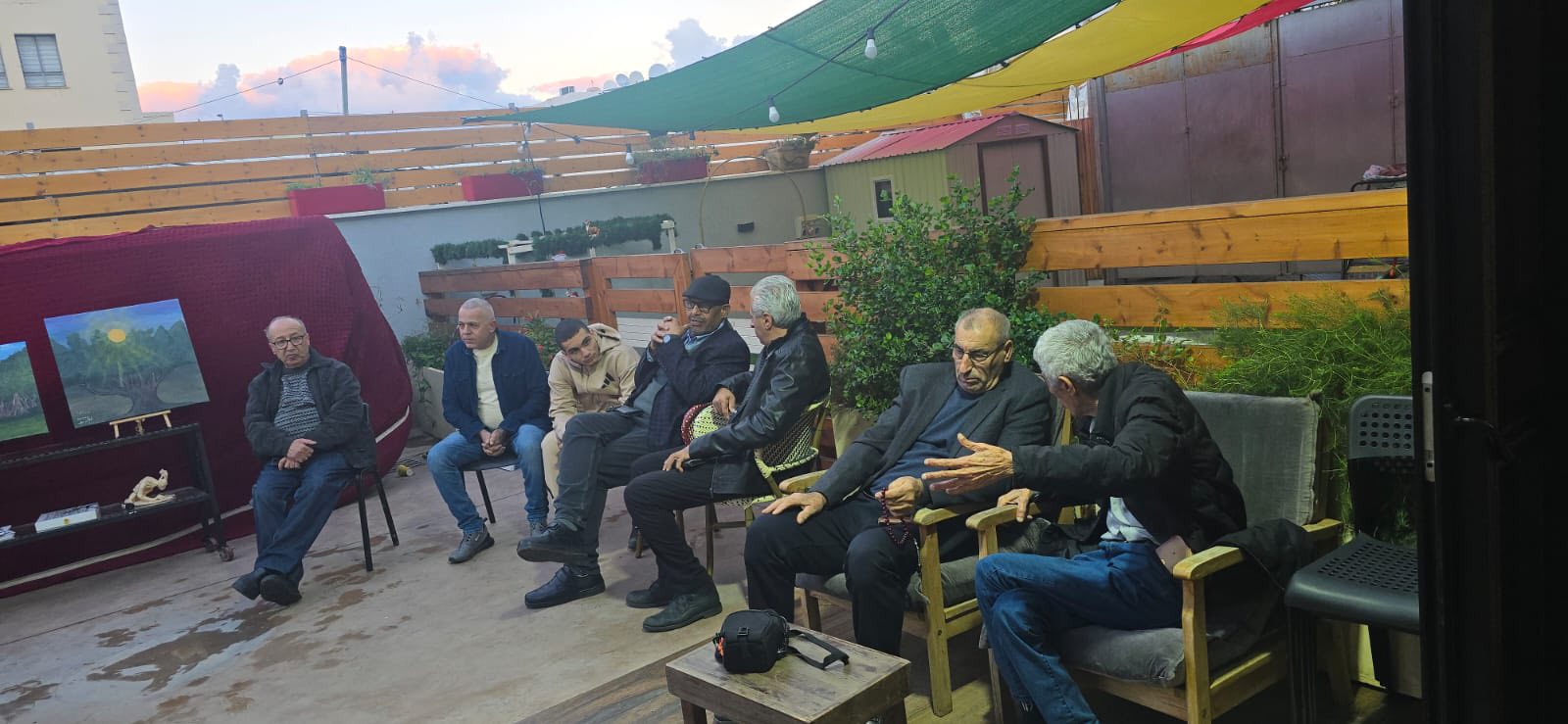
The symposium also included valuable interventions from the audience, praising the authors’ efforts and emphasizing the importance of the book as both a knowledge document and a living testimony that preserves collective memory, restores legitimacy to the local Palestinian narrative, and opens new horizons for research and writing about place, people, and identity.
Through this event, the Tanweer Cultural Foundation reaffirmed its commitment to its cultural and enlightenment role in hosting serious research and artistic initiatives, fostering dialogue on memory and history, and supporting every effort that contributes to consolidating an authentic narrative and resisting erasure and distortion—affirming that culture is both an act of resistance and a path toward building the future.