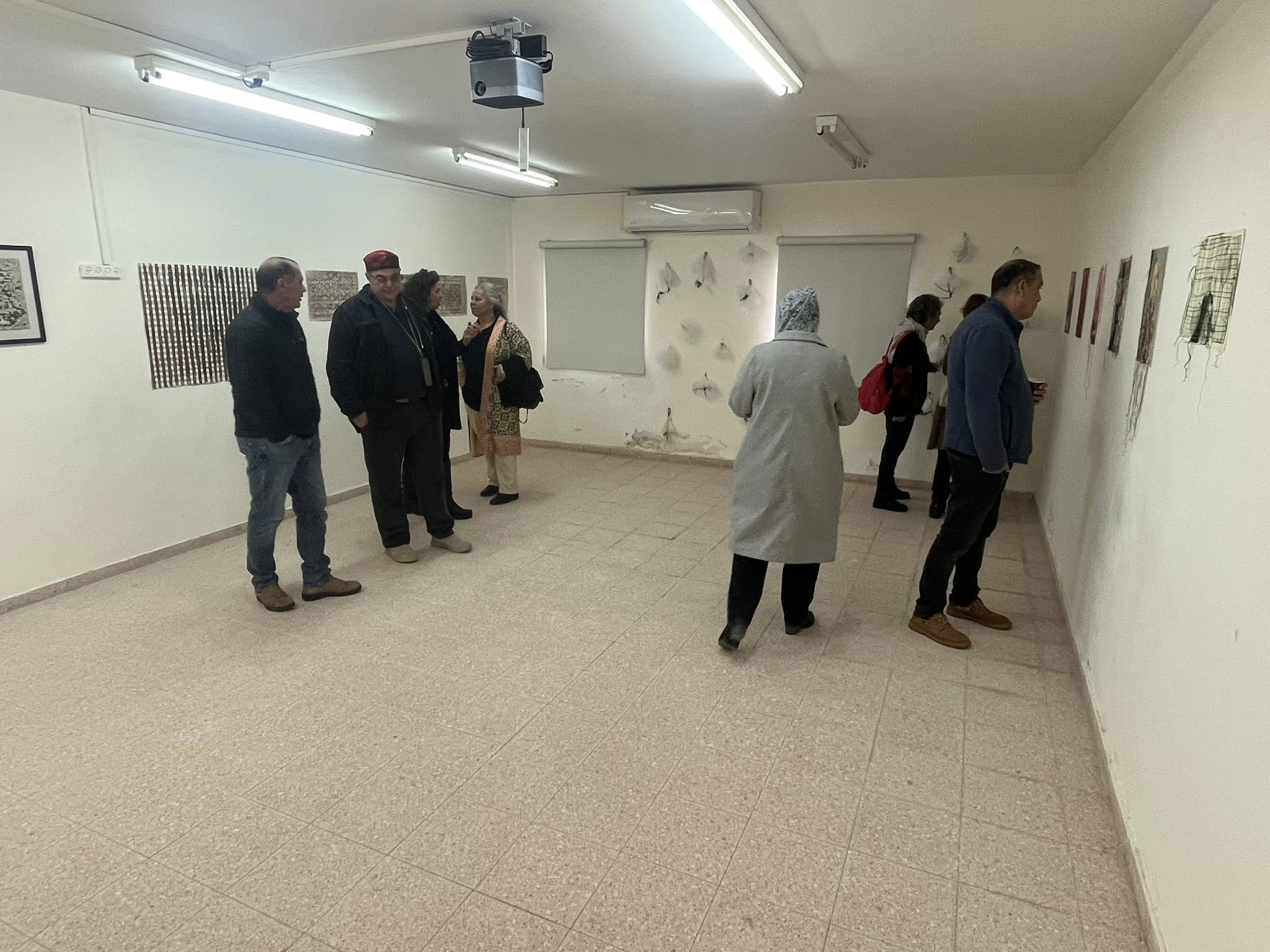
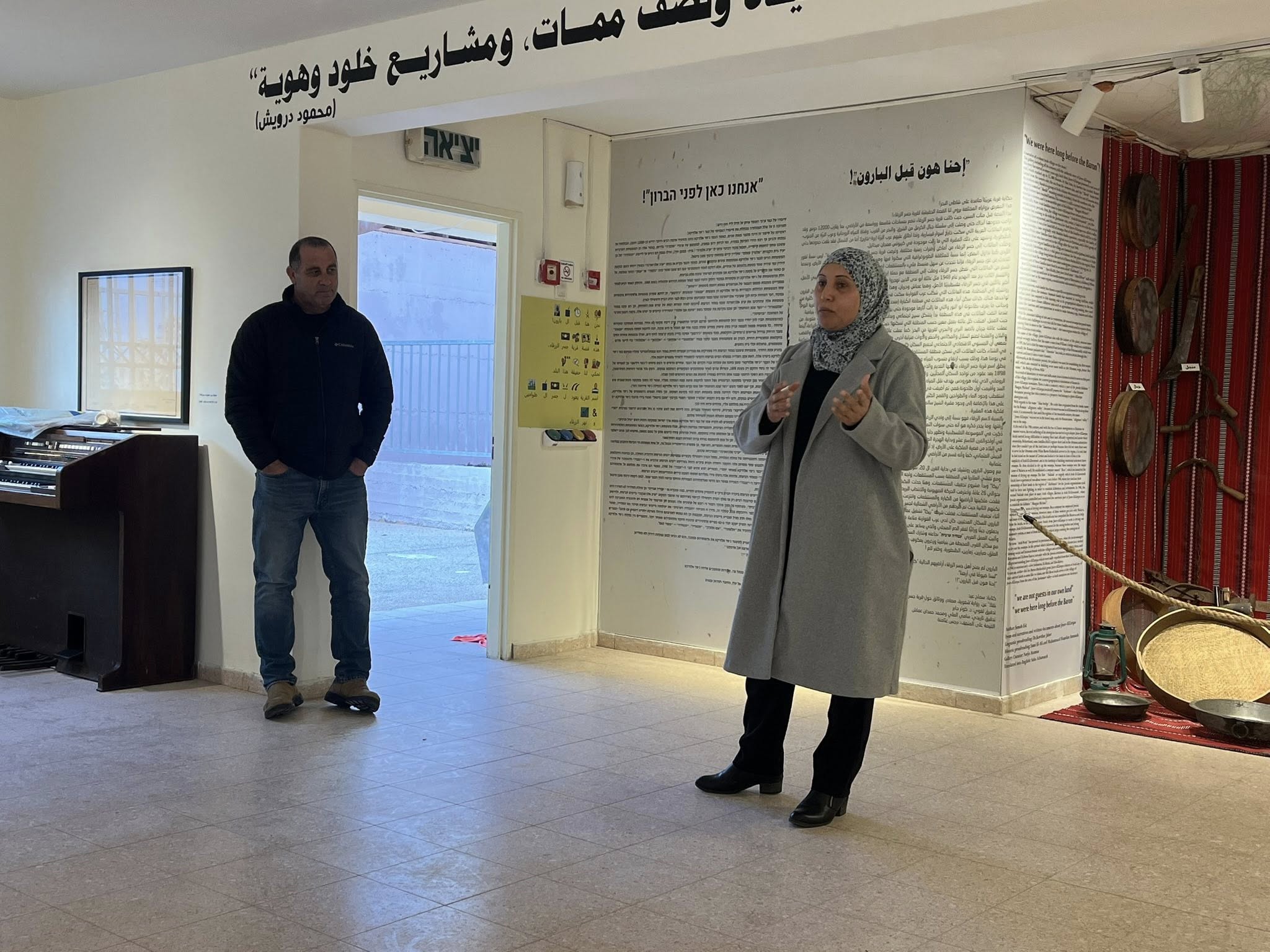
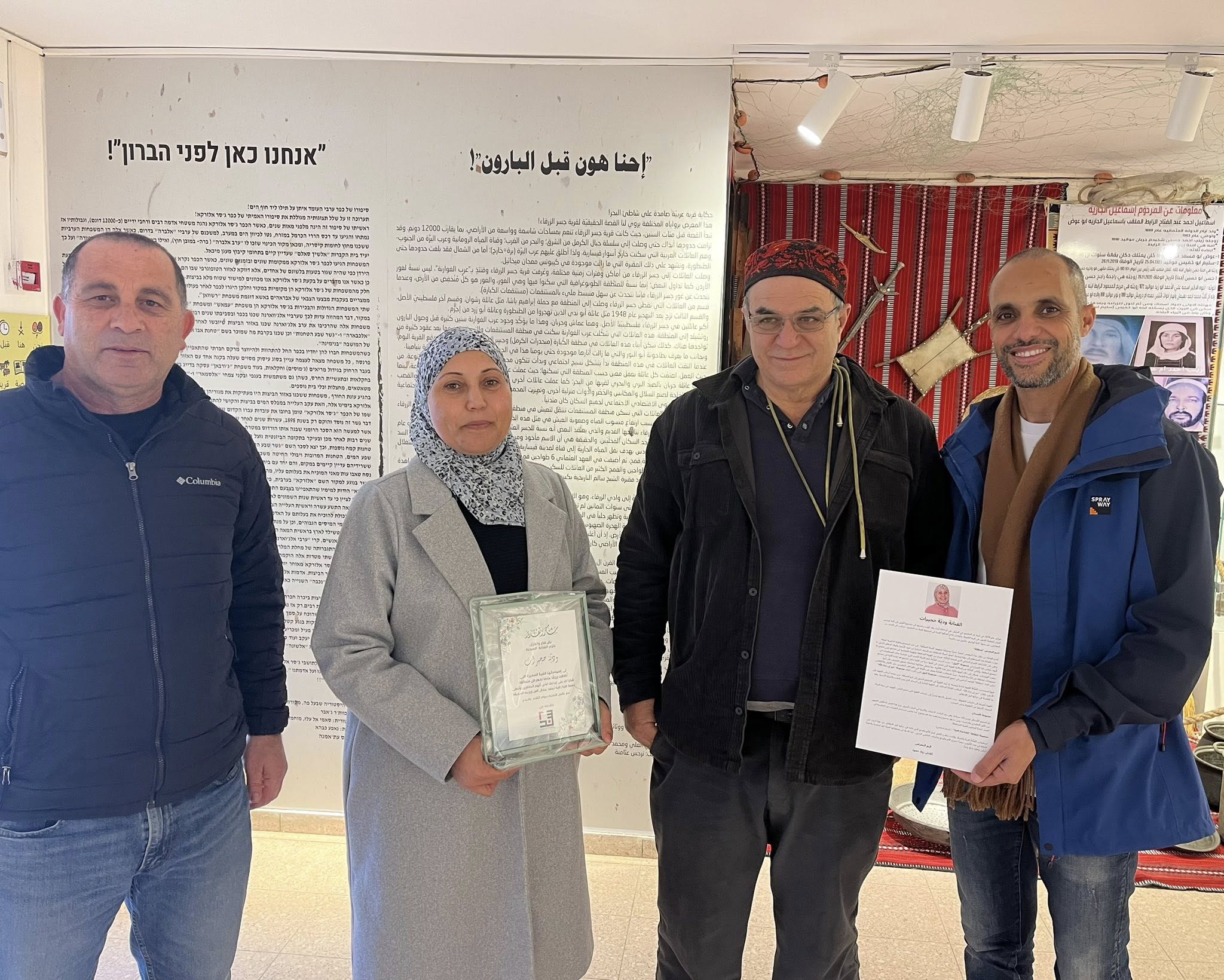
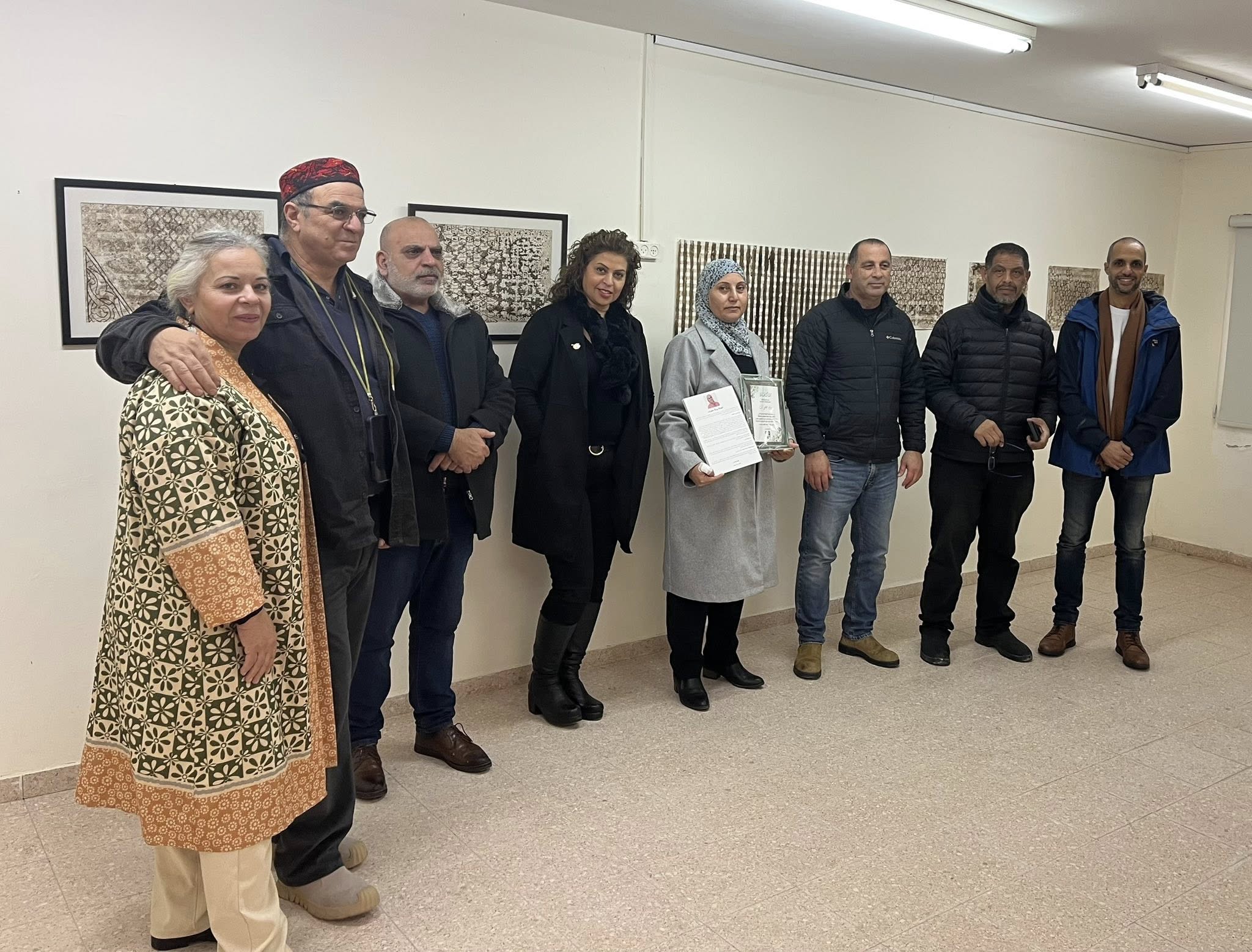
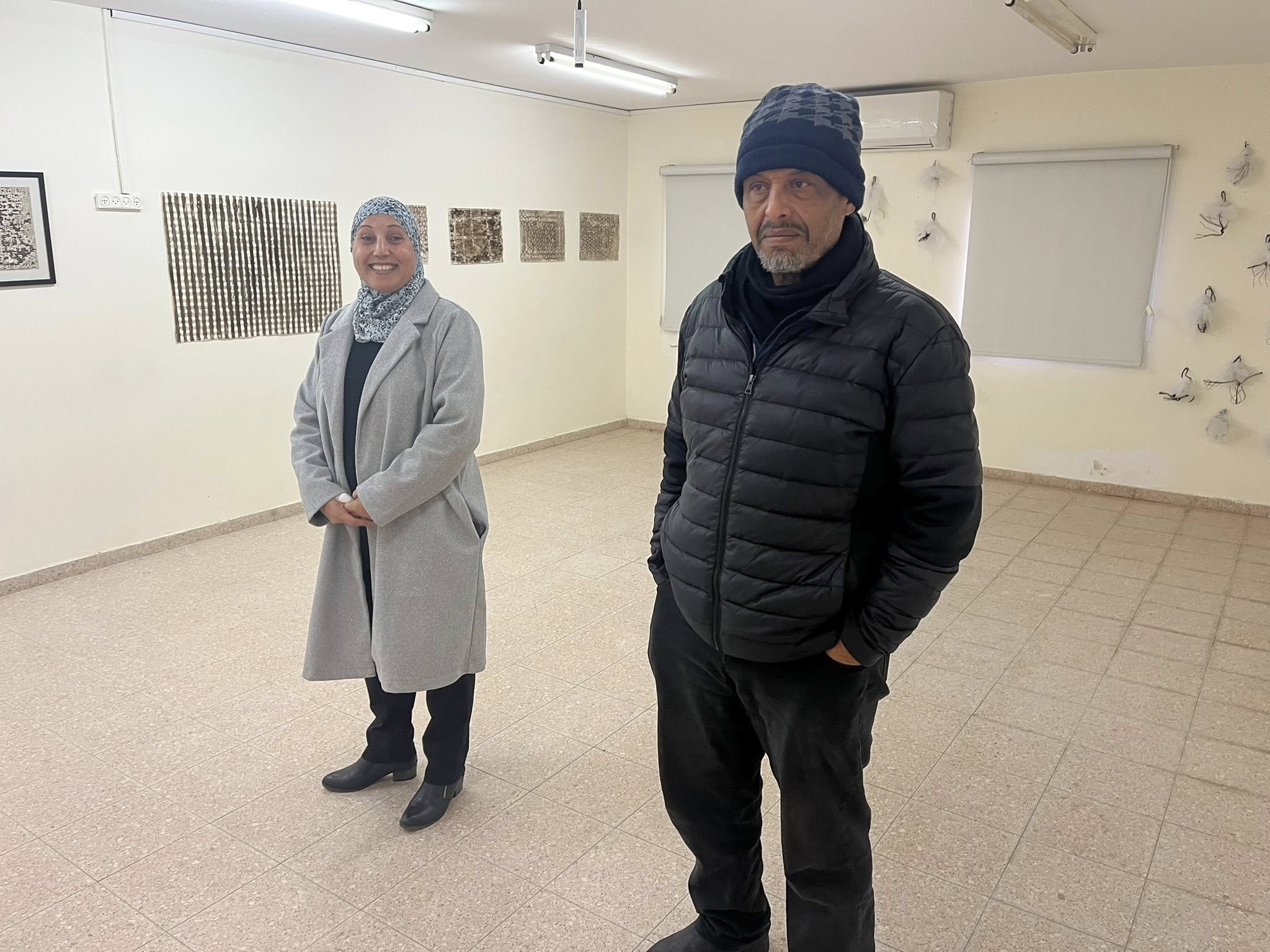
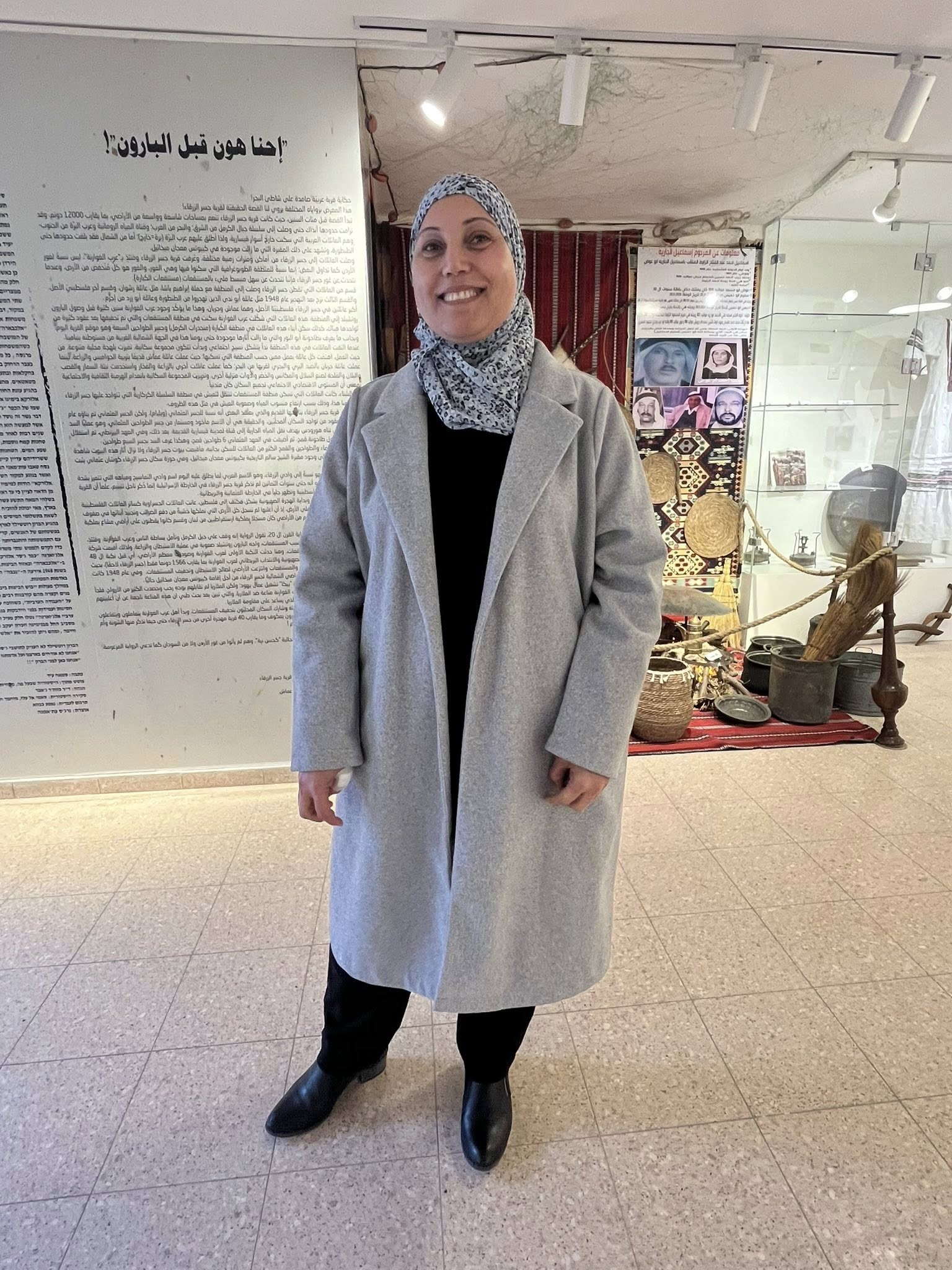
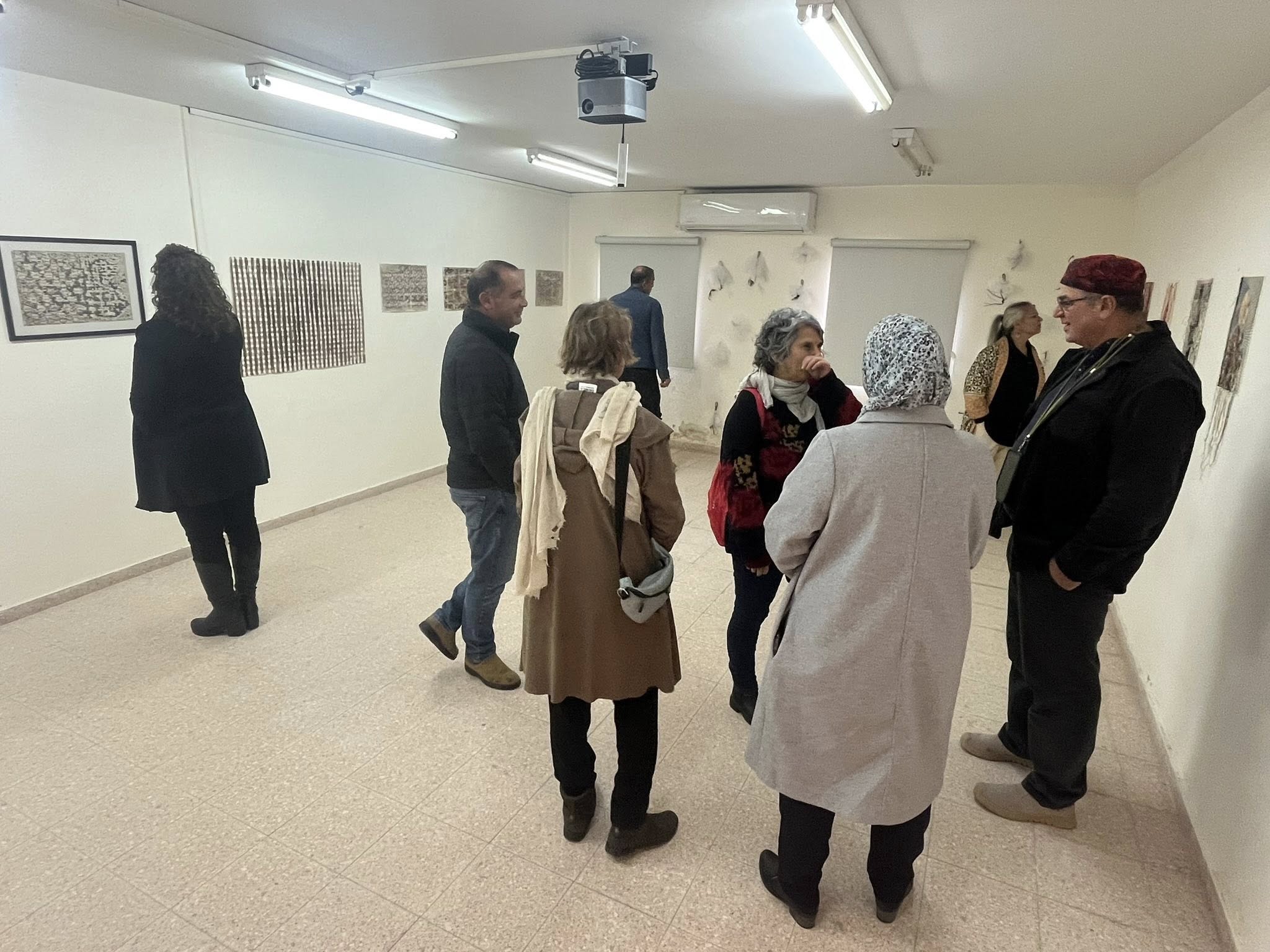
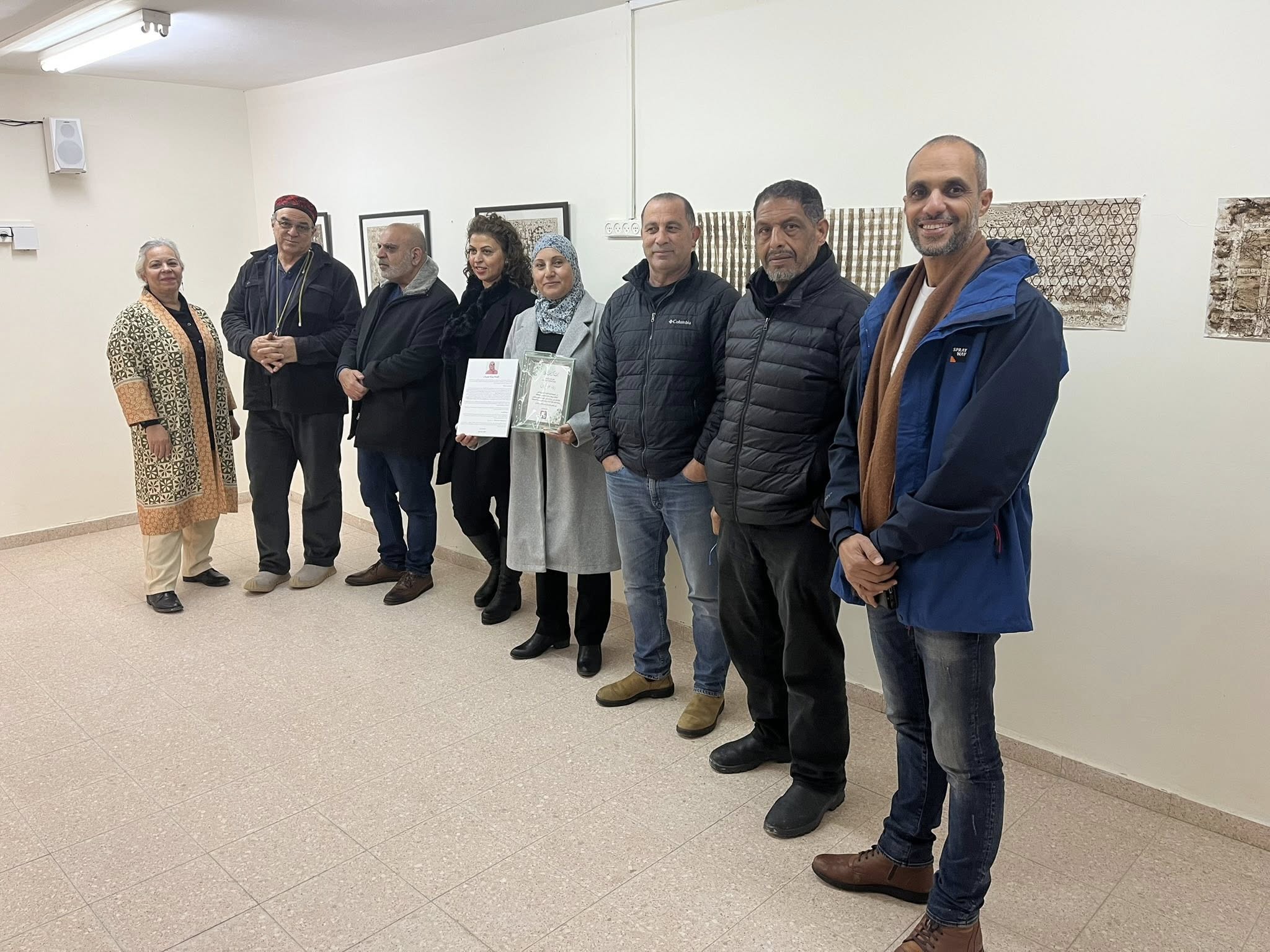
“Visual artist Wadiah Hujairat was born in 1978 in the village of Bir al-Maksur in the Galilee. She is a mother of three children and completed her studies in art at Oranim College. She works as an art teacher in Ka’abiyye-Tabbash-Hajajre and continues producing her artistic works in her studio in Bir al-Maksur.
She has participated in numerous exhibitions, including:
• Oranim College
• Beit HaGefen Gallery
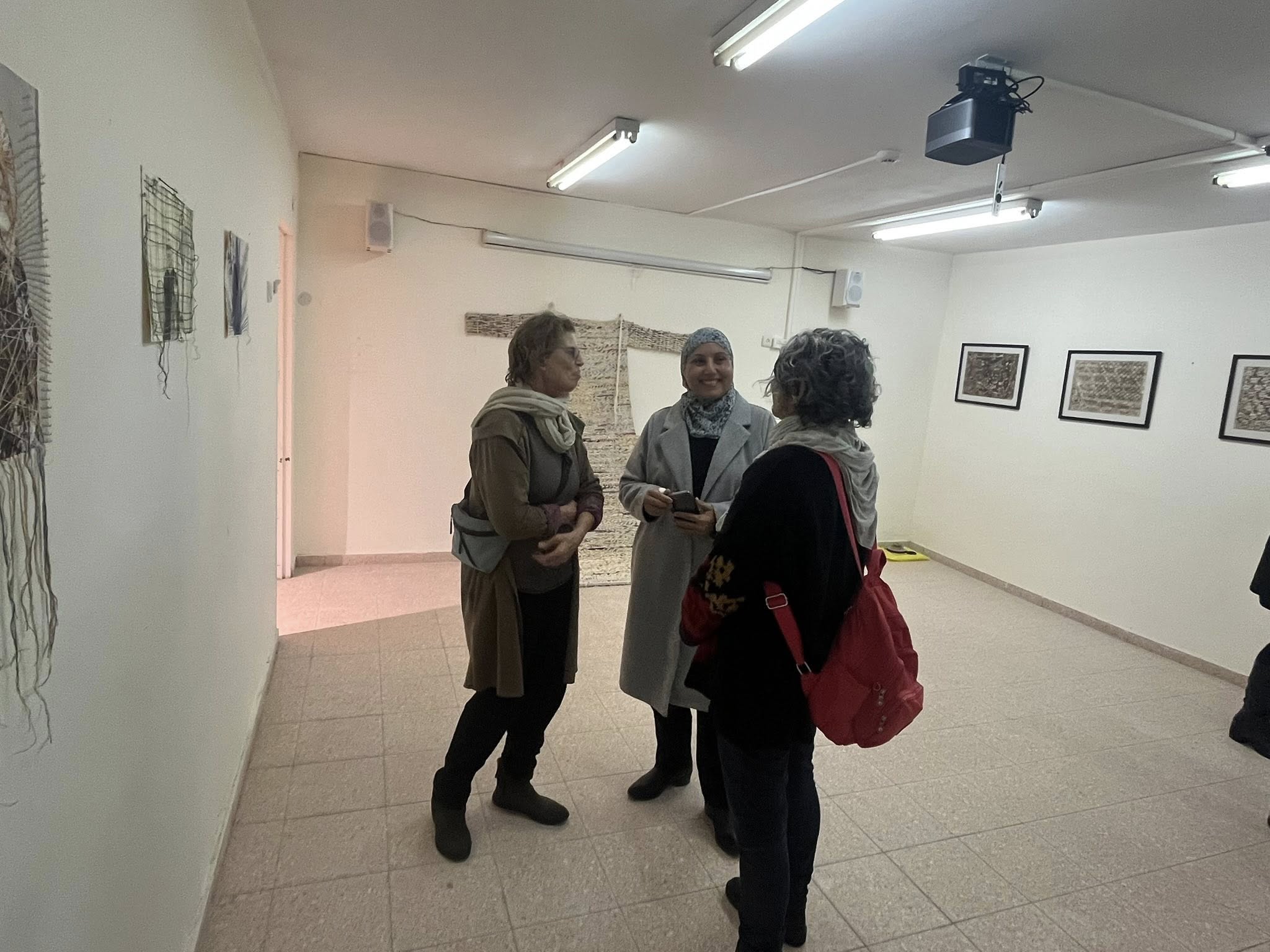
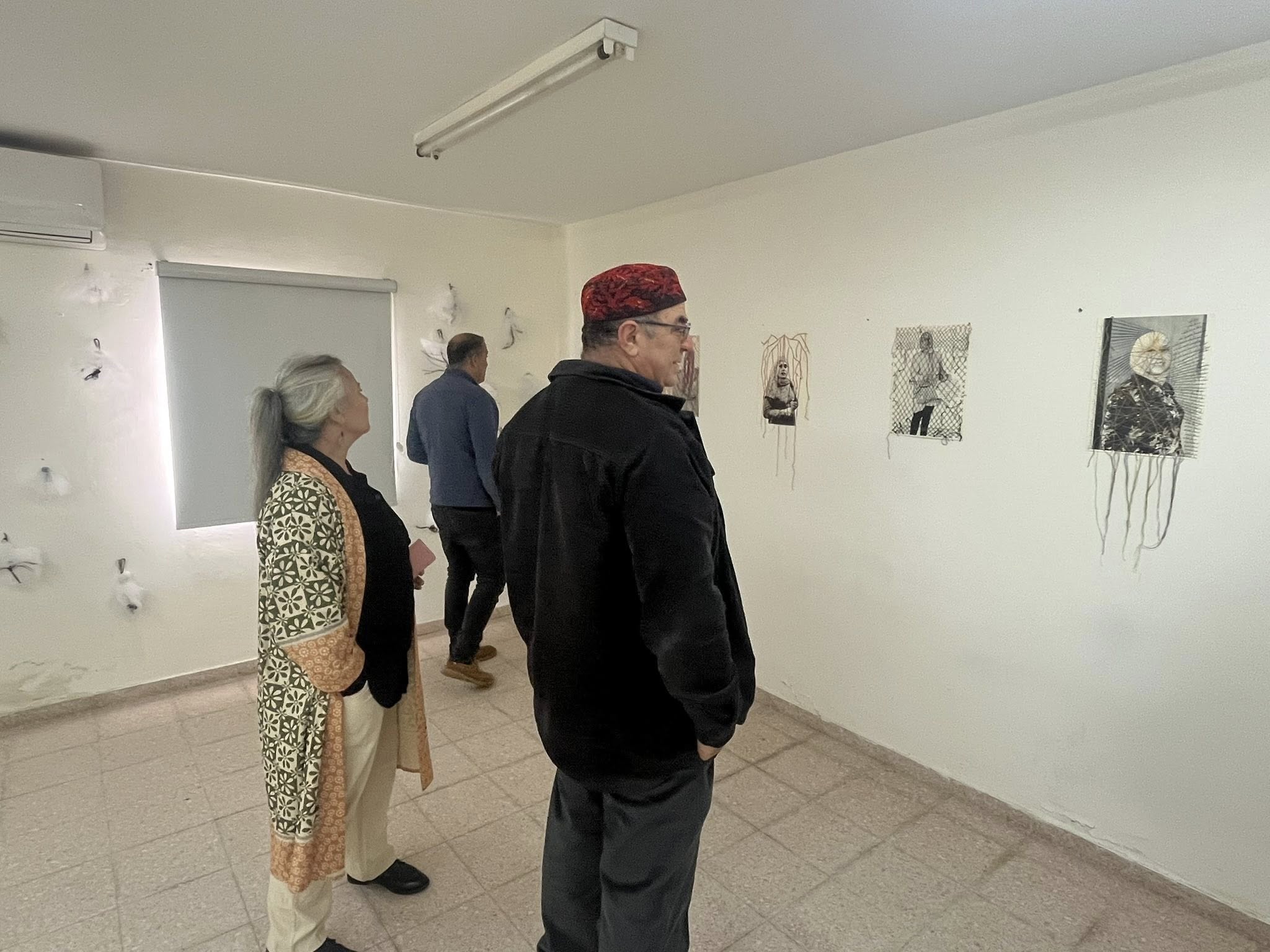
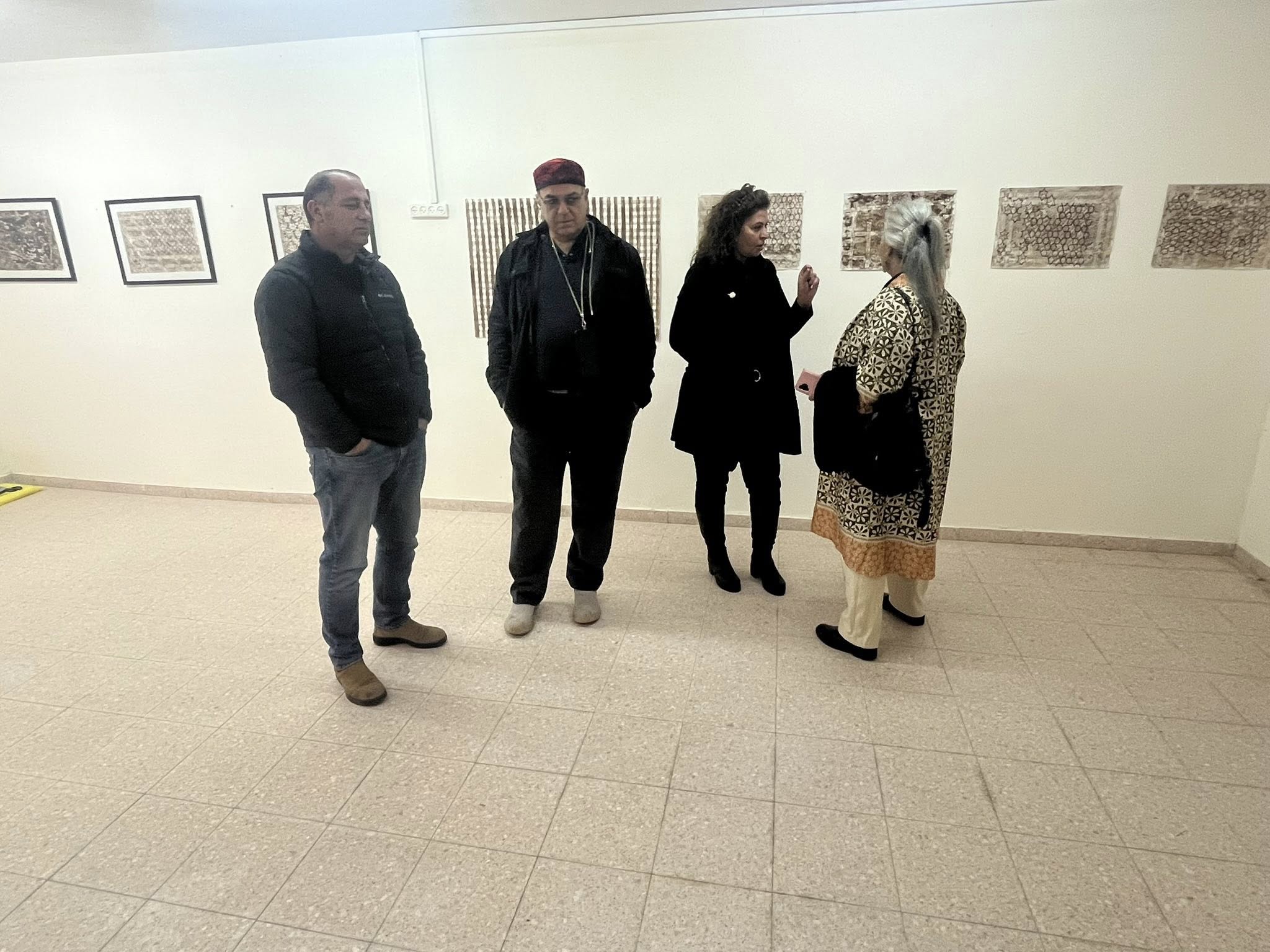
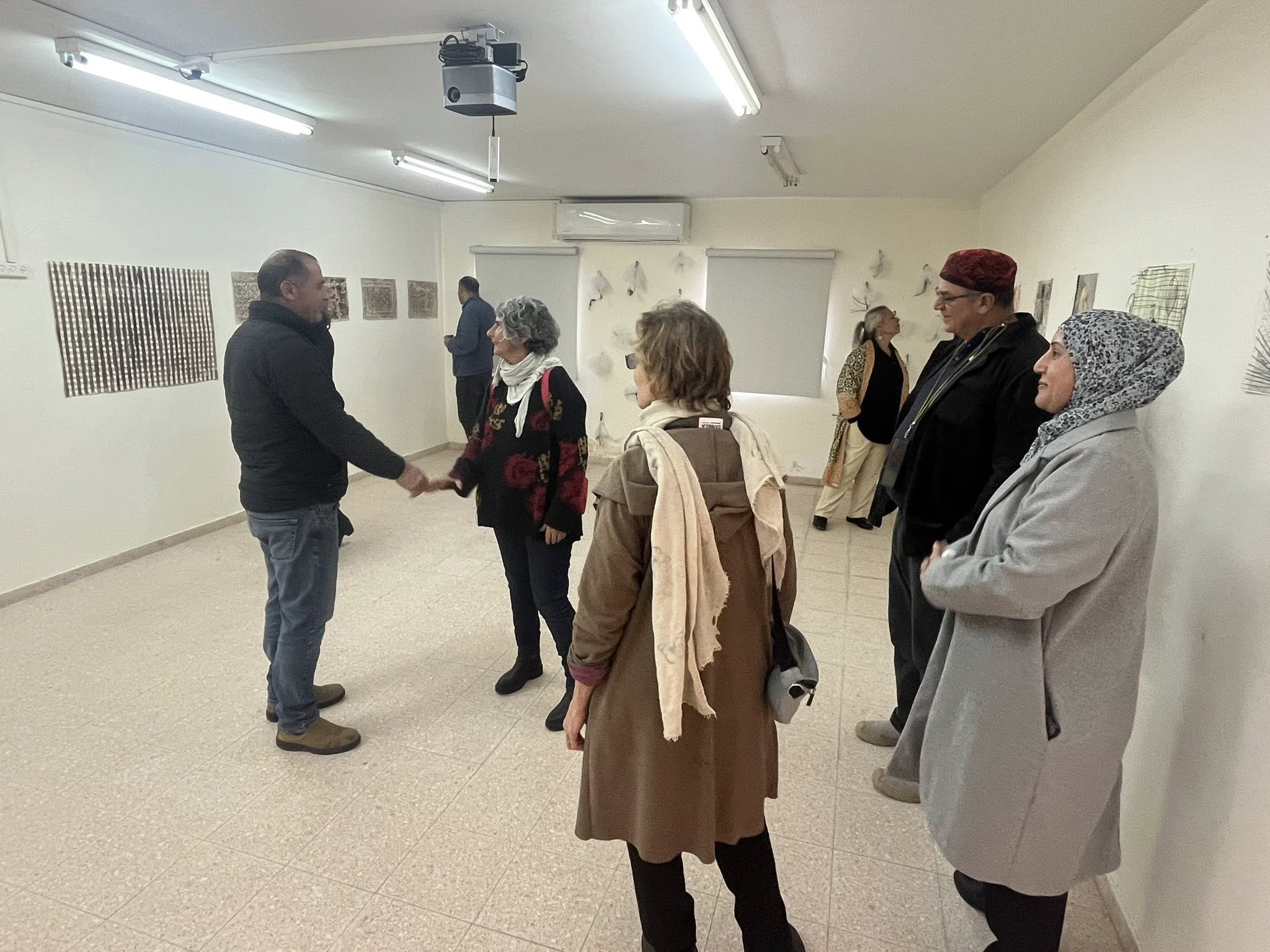
The exhibition is titled “Launching Forward”.
Through this exhibition, the artist presents a new and different vision of the concept of the “divorced woman,” challenging society and its patriarchal perception of her.
The artist transforms this term into a positive vision, portraying the woman as someone launching toward freedom, liberated from the constraints of dependency and absolute loyalty to men.
The viewer cannot miss the inner conflict experienced by the artist — a struggle between a conservative identity and a contemporary identity within an open Western society free of restrictions.
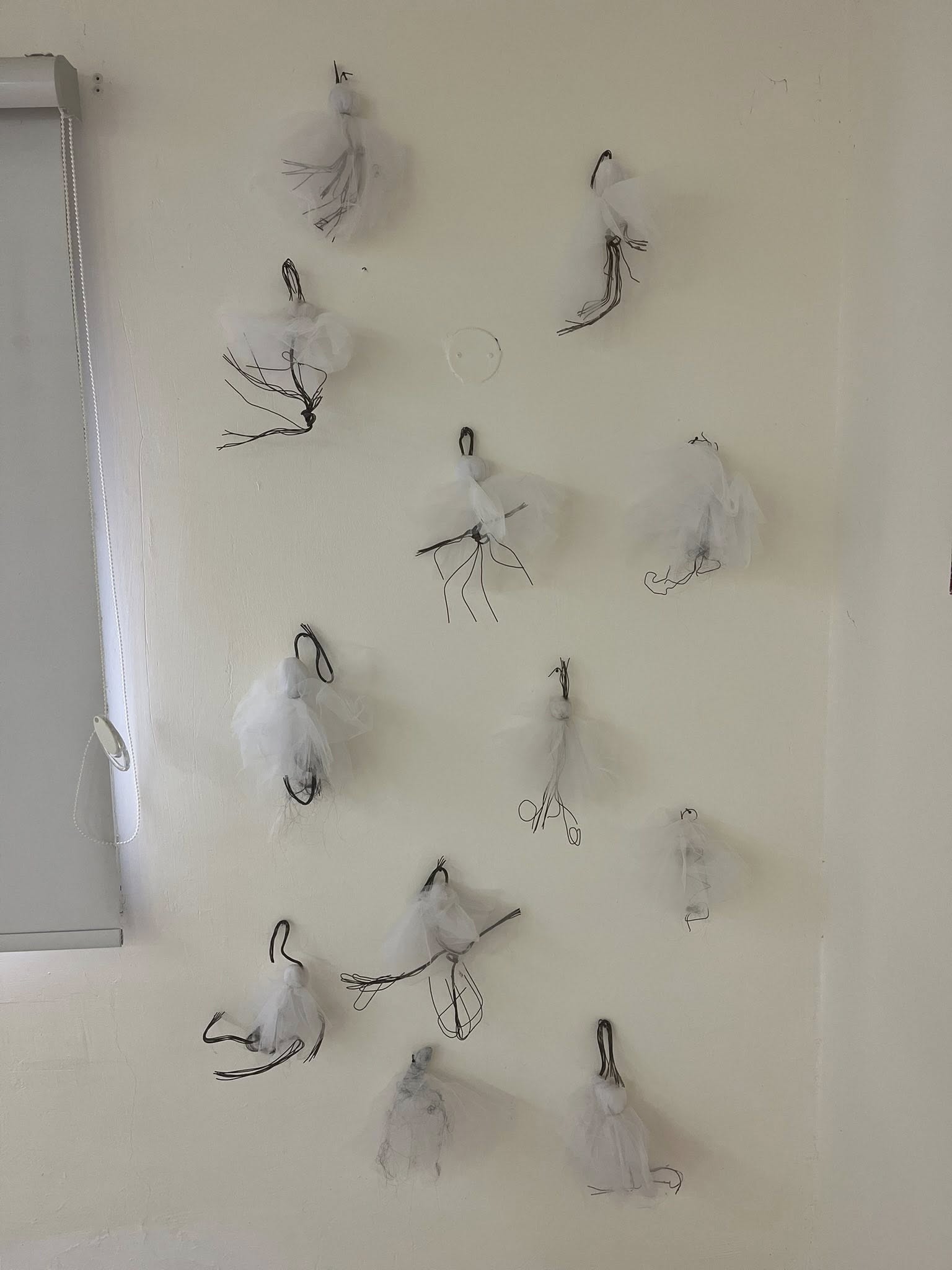
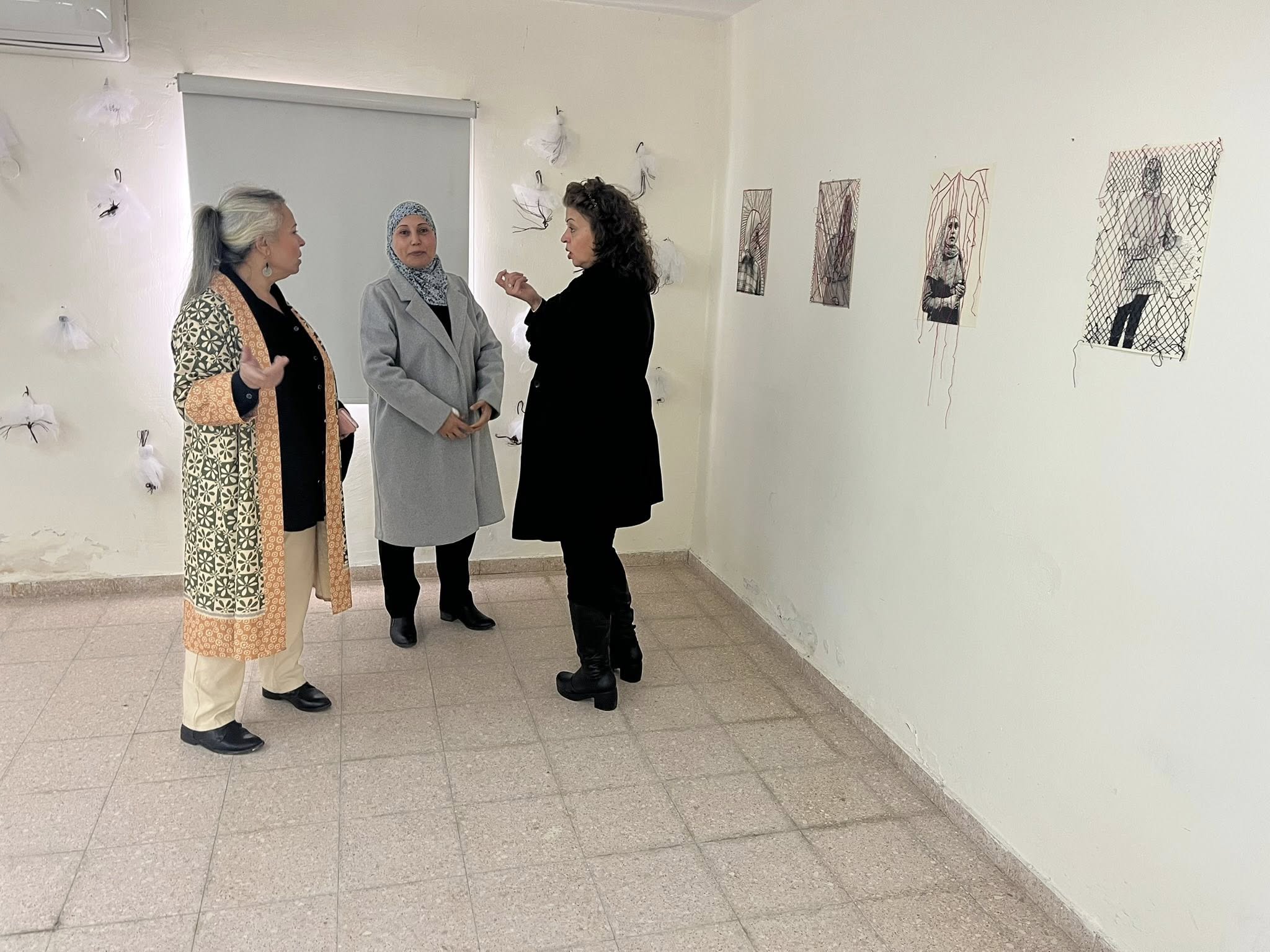
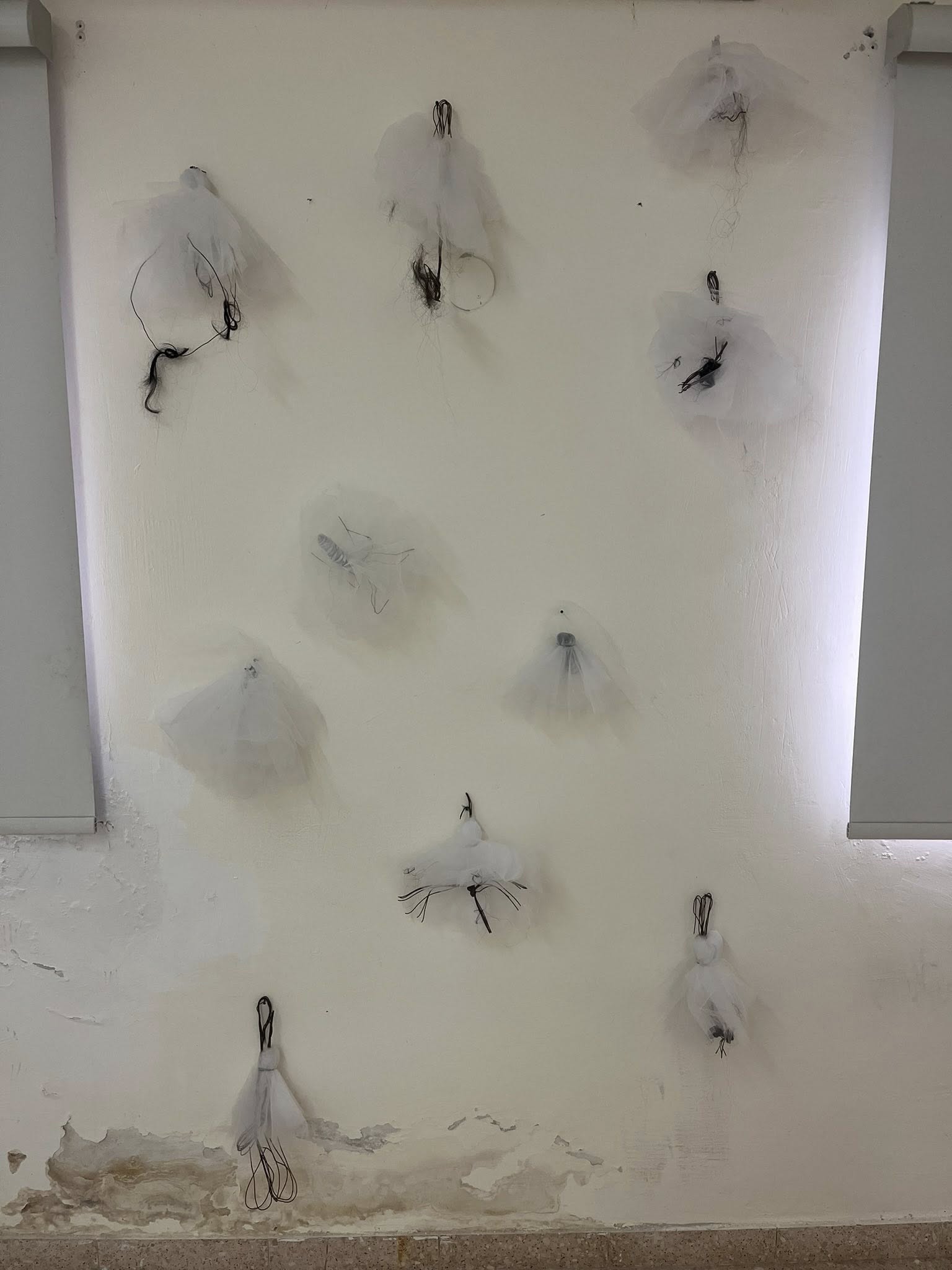
This conflict is especially evident in the “Tulle Collection,” where the artist incorporated women’s hair as an artistic element, boldly challenging taboos within a conservative society. The artist also grapples with questions of identity, as she belongs to a minority within a society that is itself a minority in a multicultural state. In addition, she is an artist within this minority, making her struggle even more complex.
The exhibition contains four different groups of works from a technical perspective, in which the artist employed unconventional materials rarely used in traditional art, beyond standard paints and canvas. The word “Launching” appears repeatedly as a central element throughout all the collections.
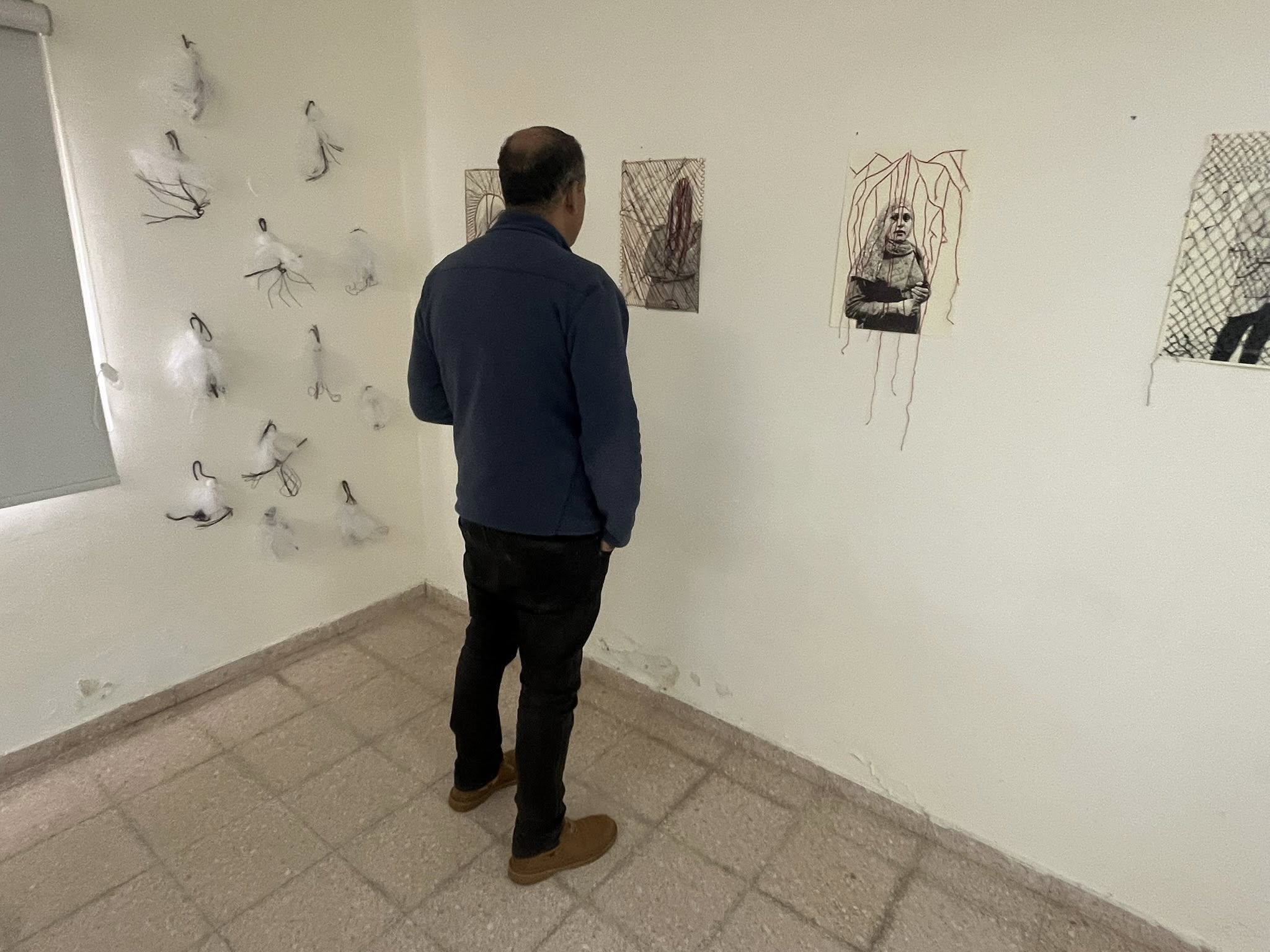
The Tulle Collection
As mentioned above, this collection incorporates women’s hair as an artistic medium, confronting social restrictions and conservative norms.
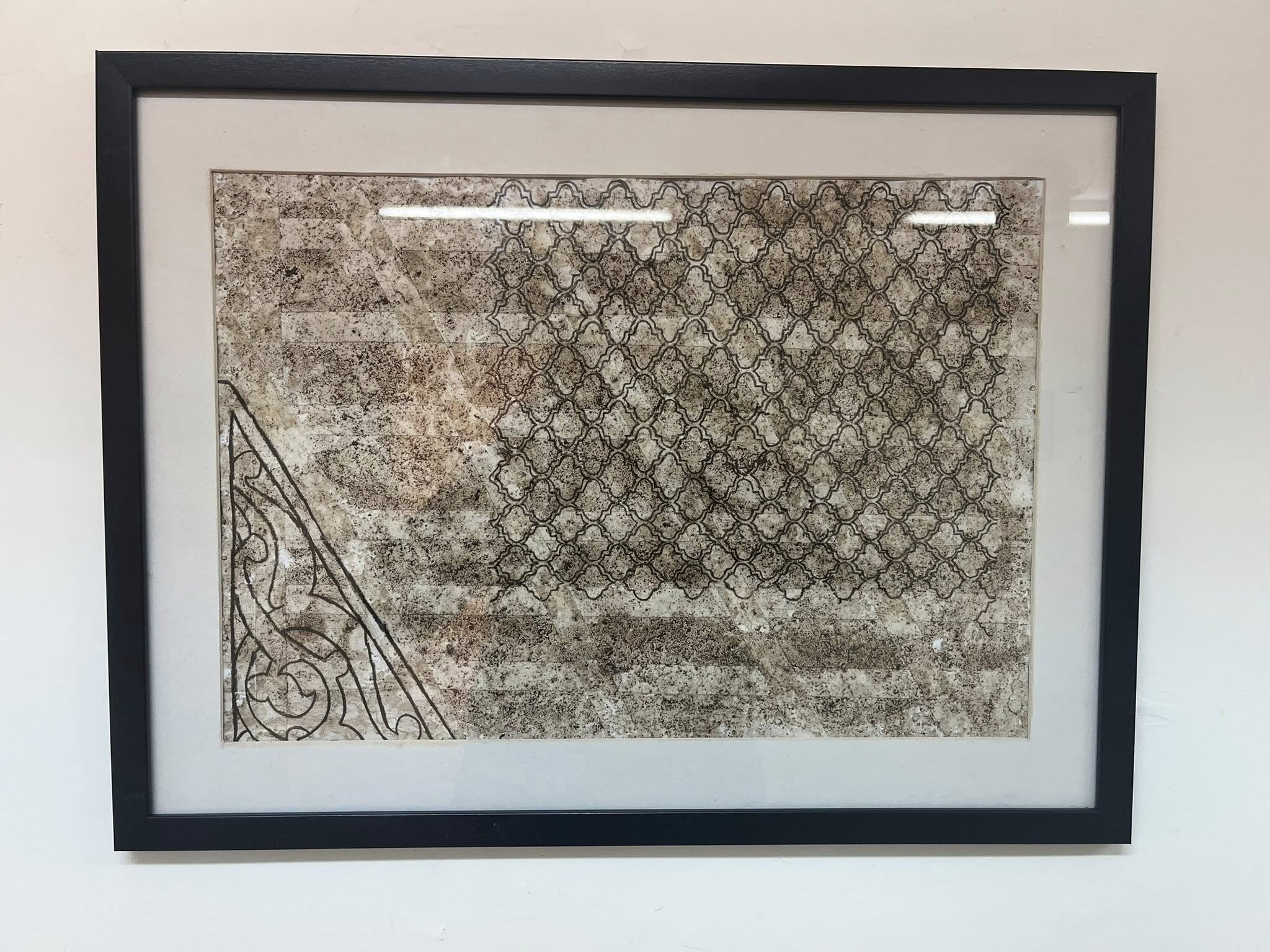
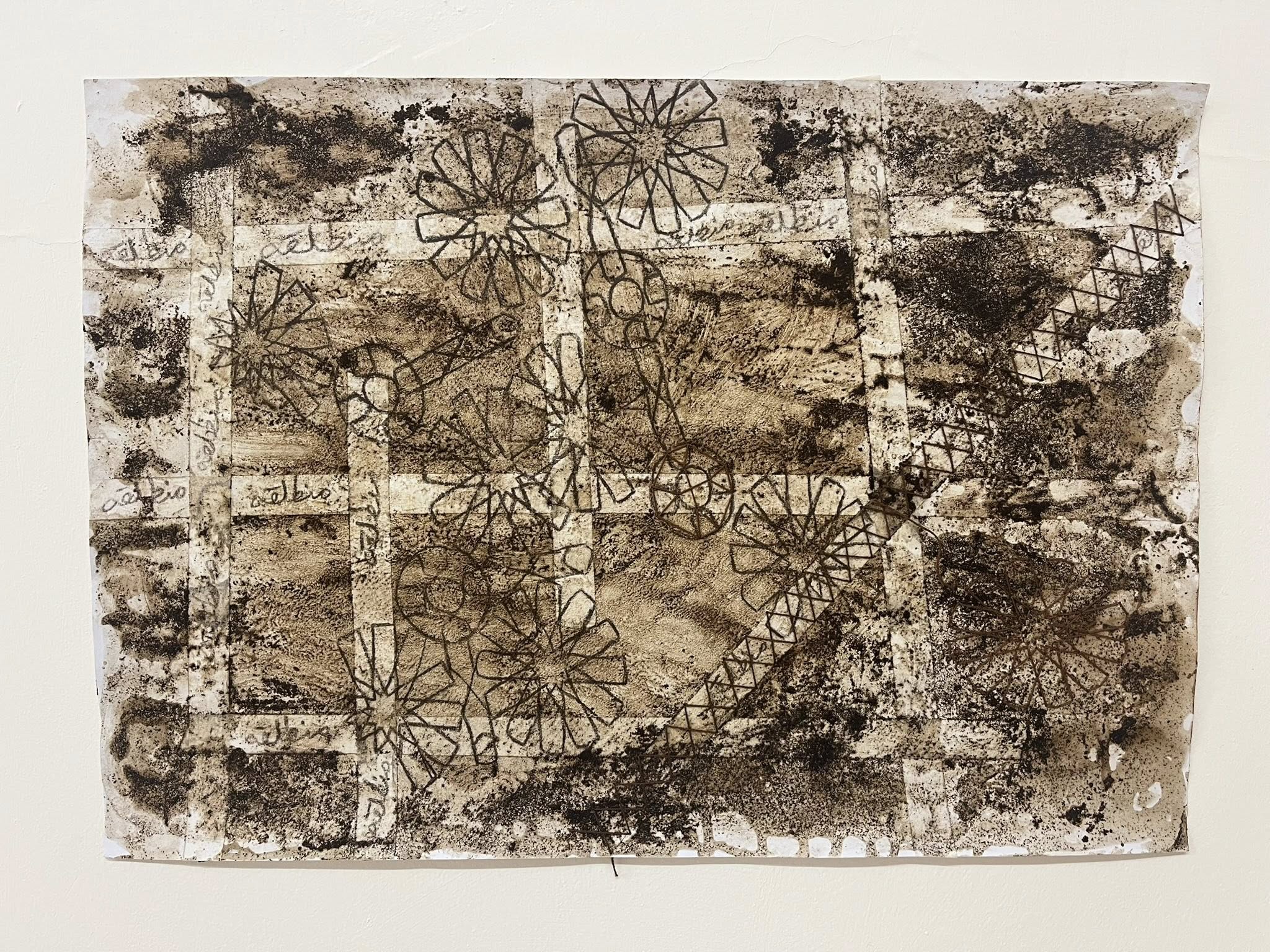
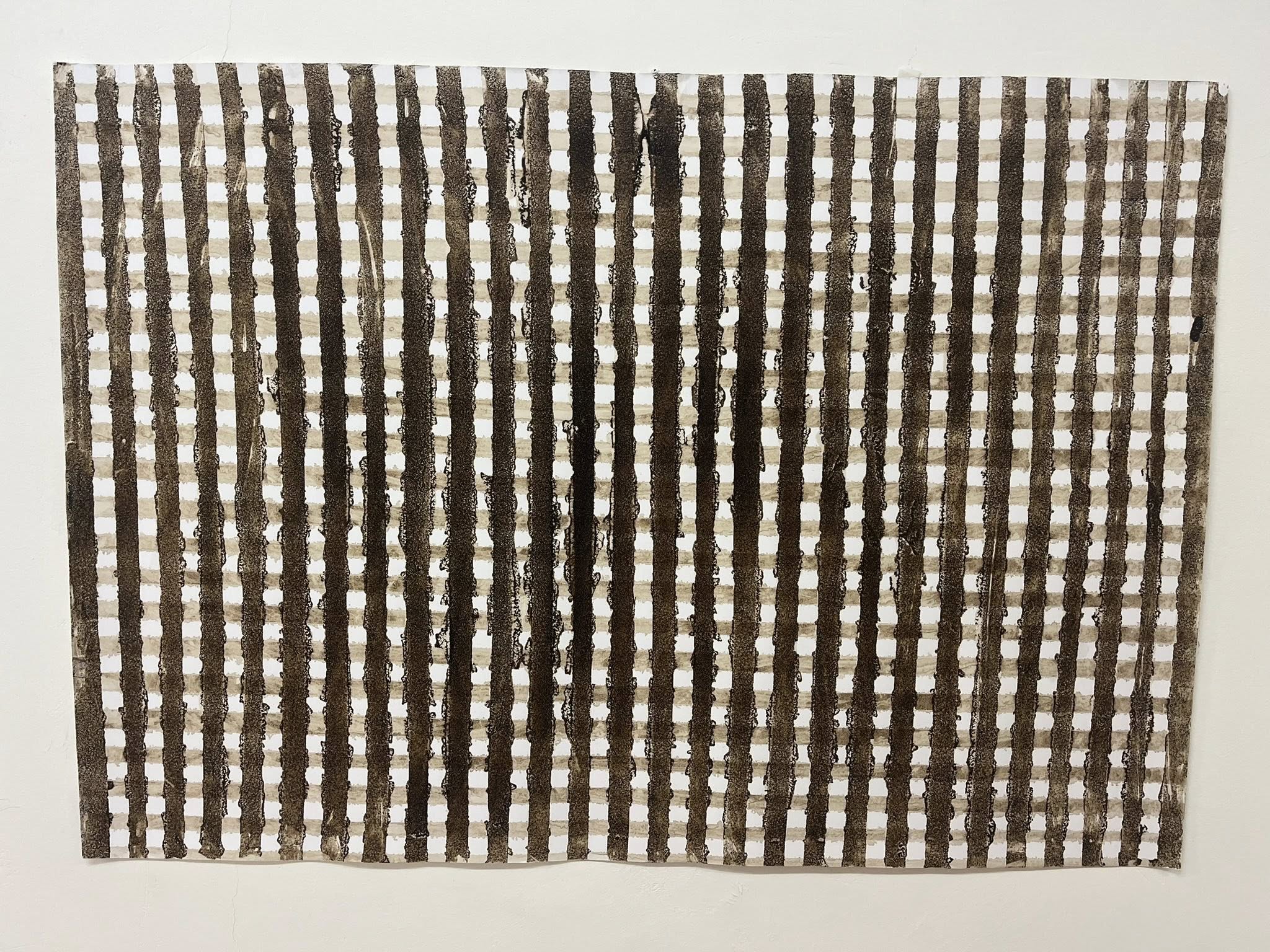
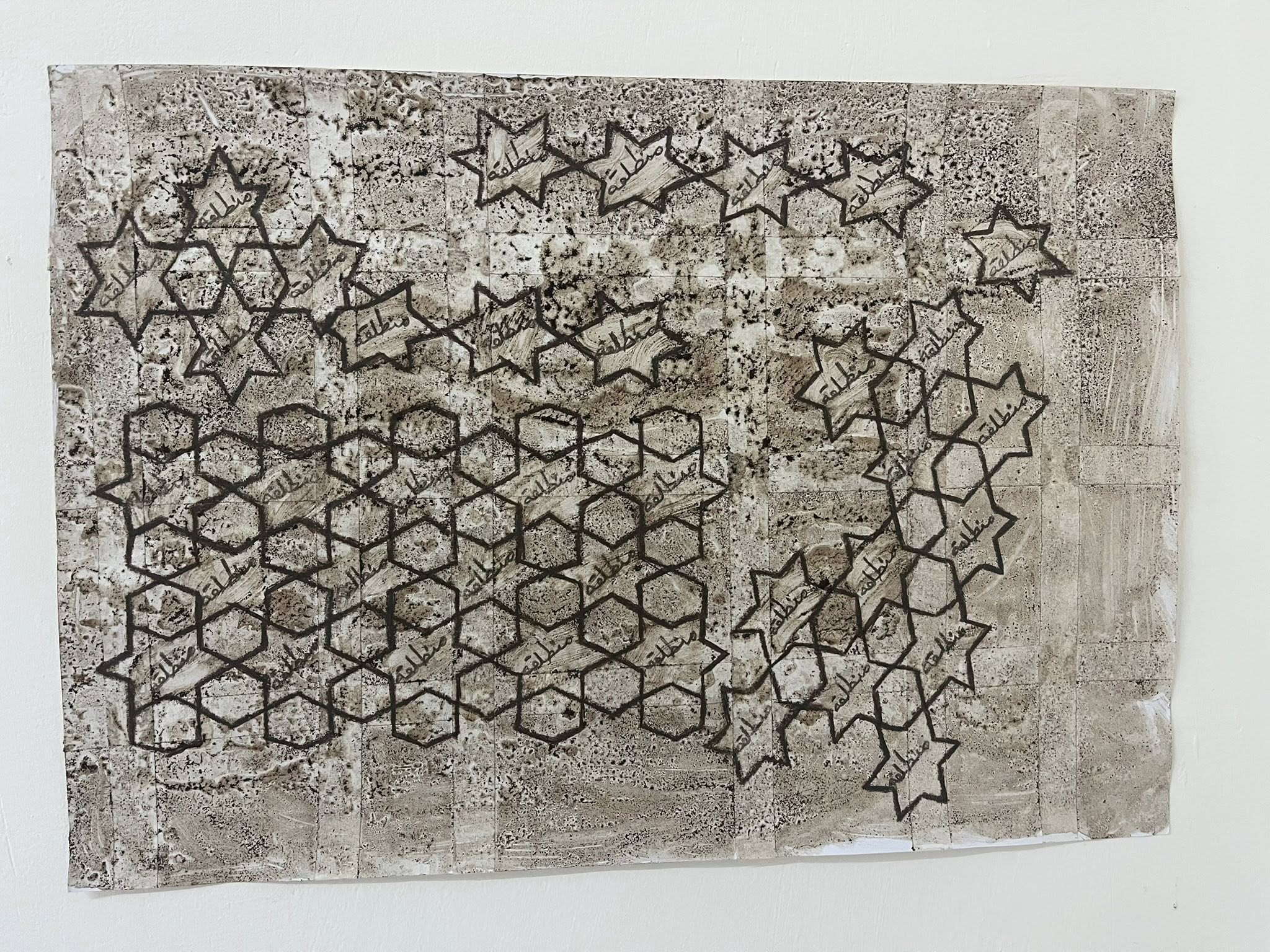
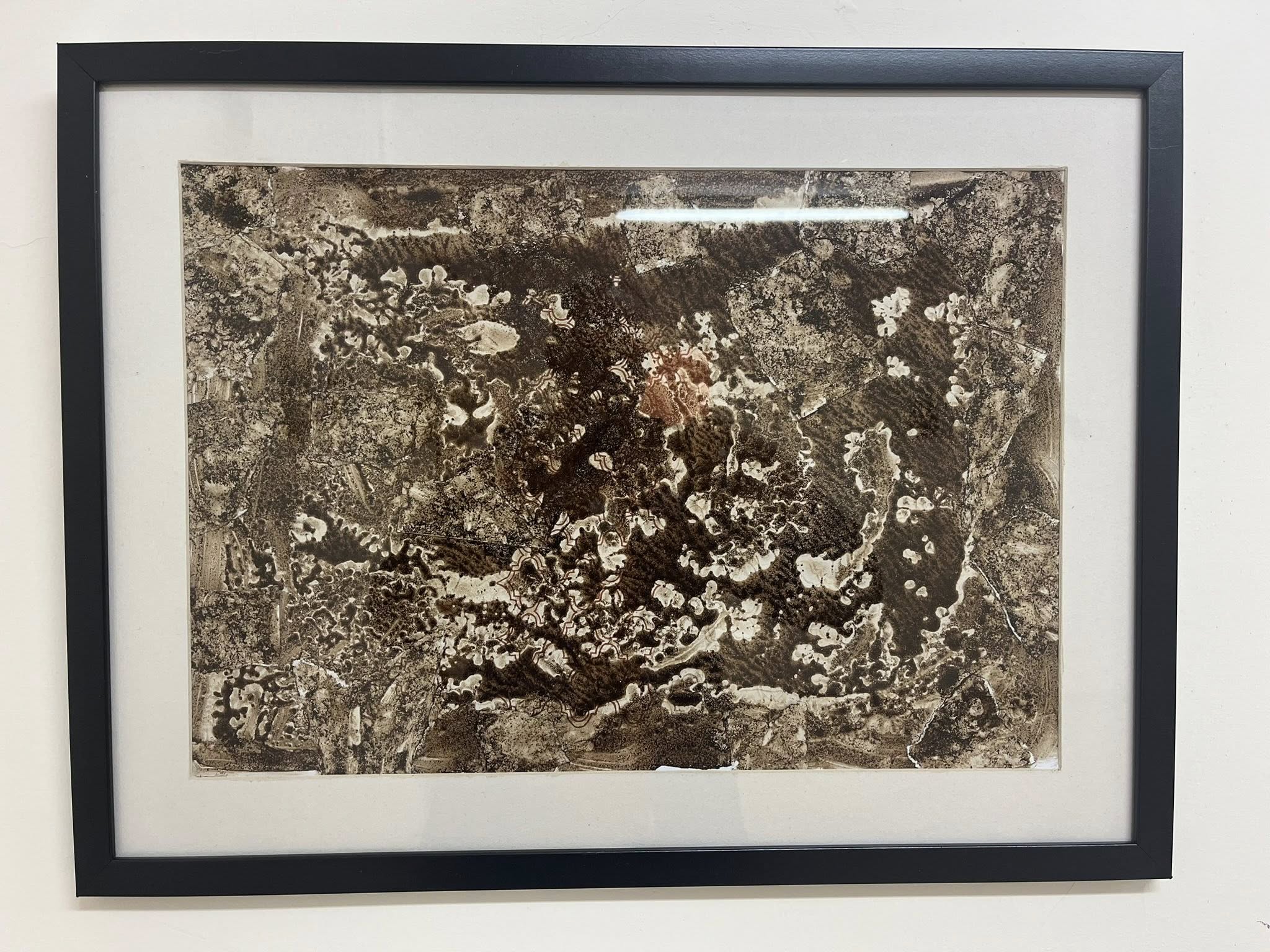
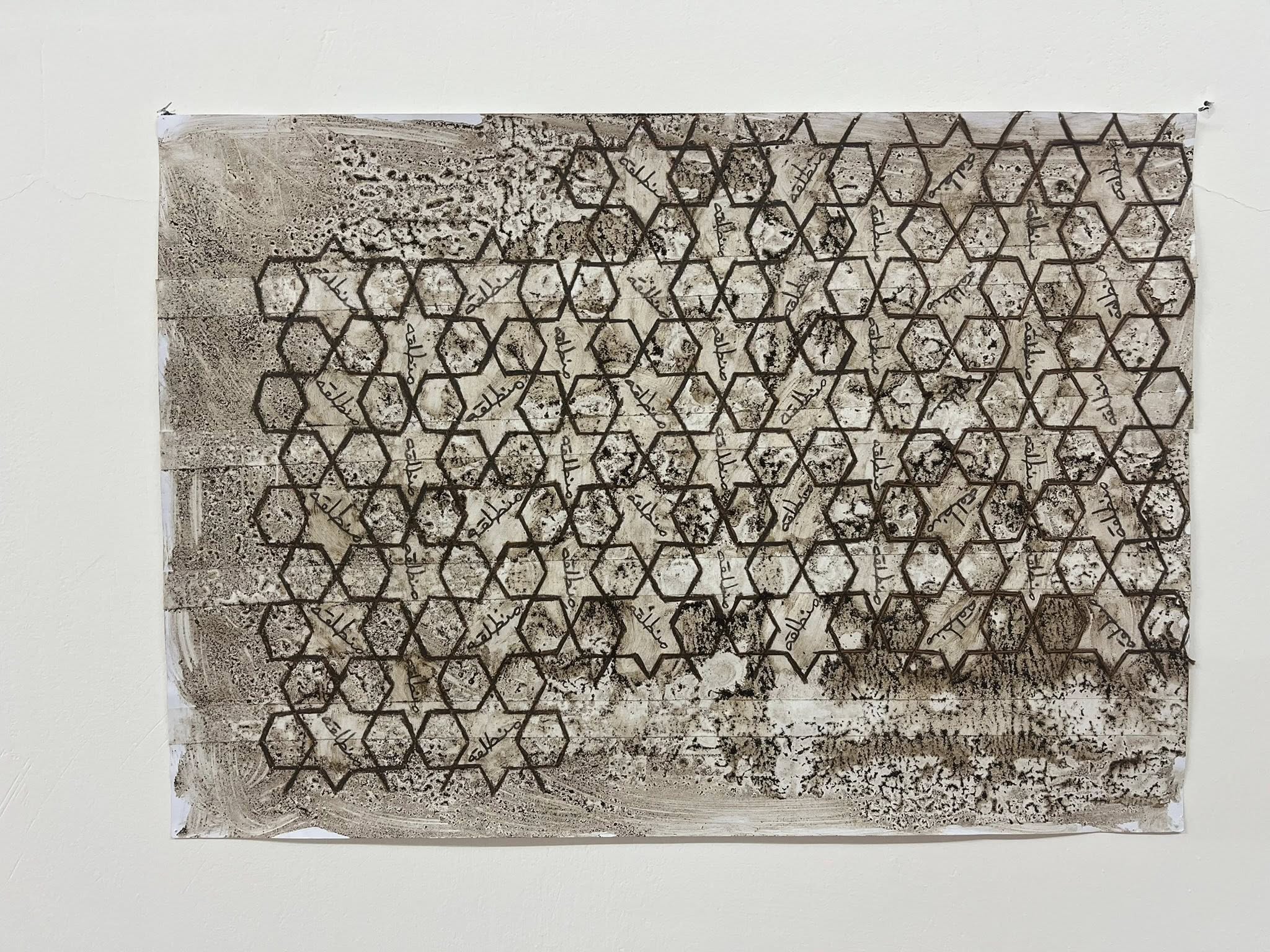
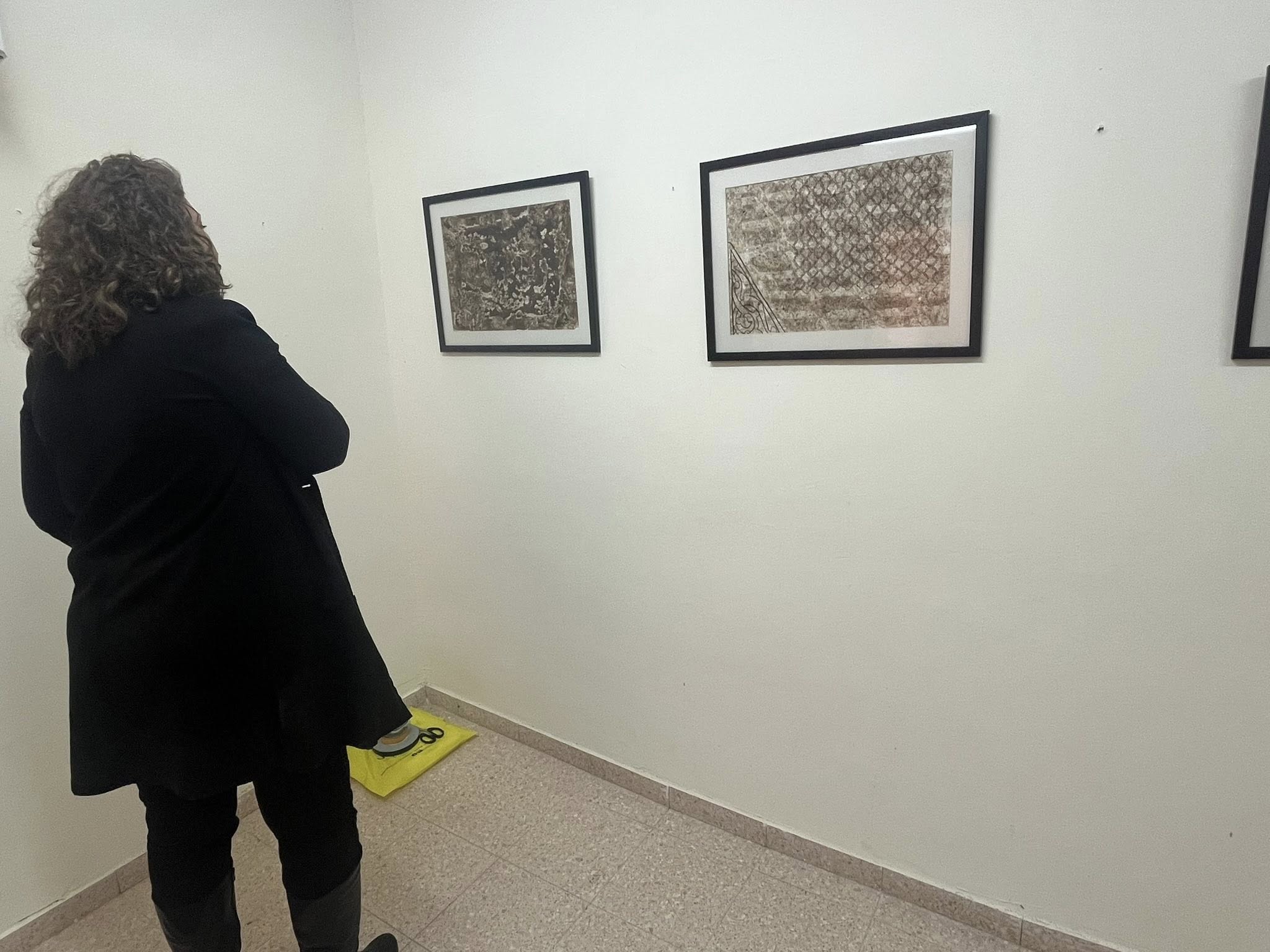
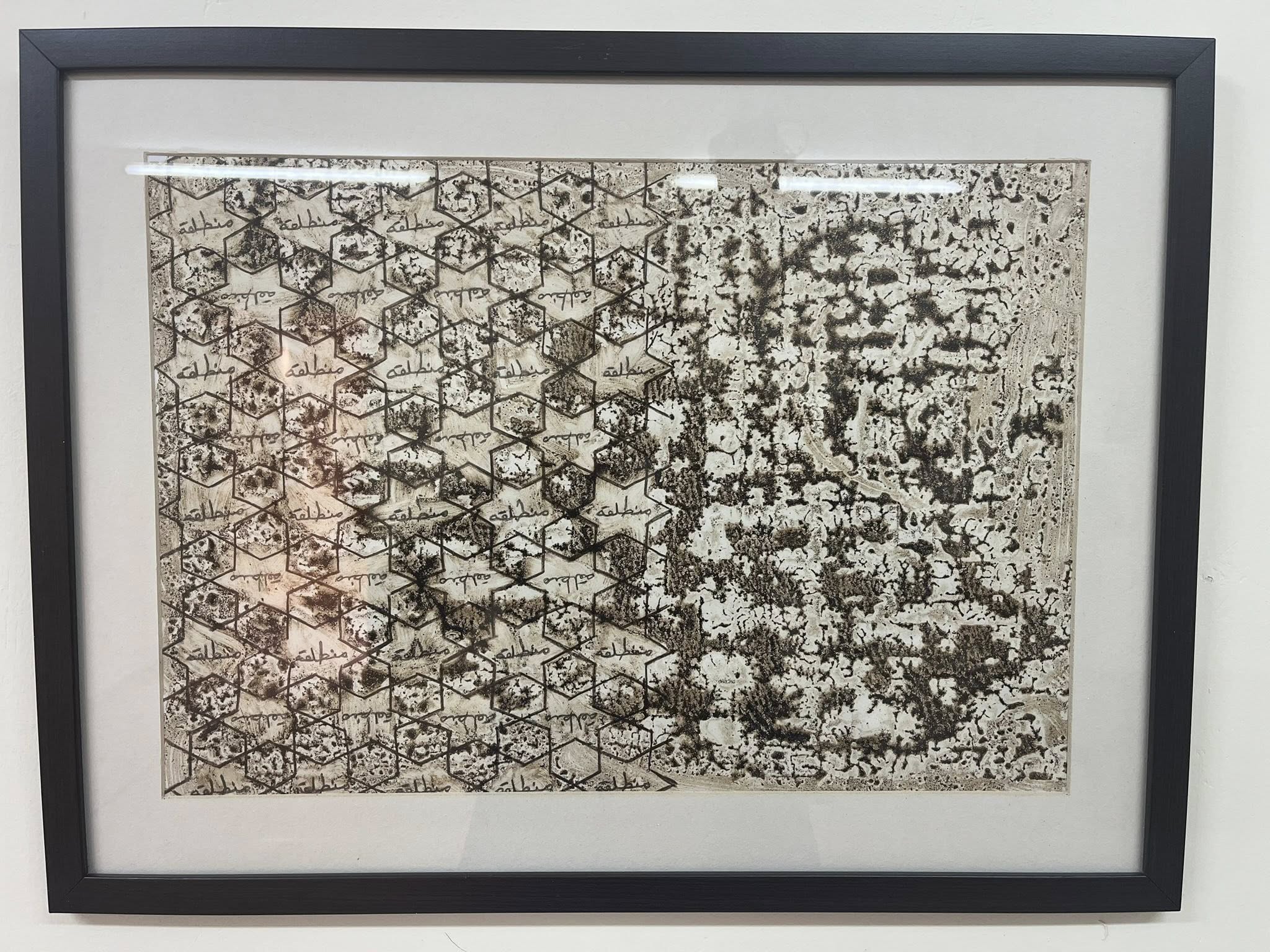
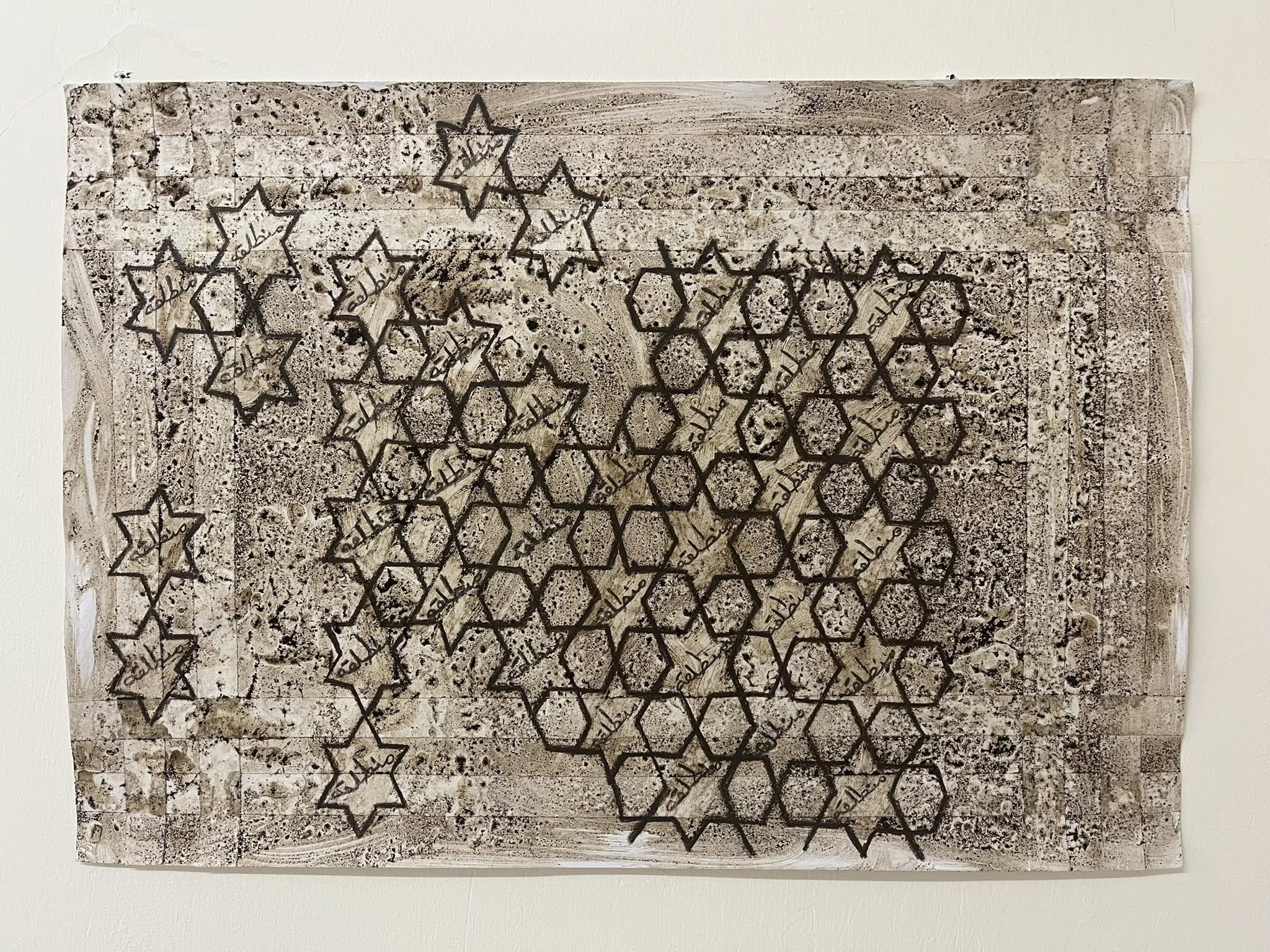
The “Khair Inshallah” Collection
In this collection, the artist used coffee as the primary material. In Bedouin society, coffee symbolizes generosity and hospitality. Even when coffee spills onto the ground, people say, “Khair Inshallah” (“May it bring goodness”).
The artist added decorative motifs to the coffee as a reference to carpets, symbols of warmth and family intimacy — something she felt was missing in her life before her personal liberation.
Coffee reconnects her to childhood memories; she loves its scent and longs for the coffee gatherings that bring people together. In the life of a Bedouin woman, coffee accompanies her from childhood until death.
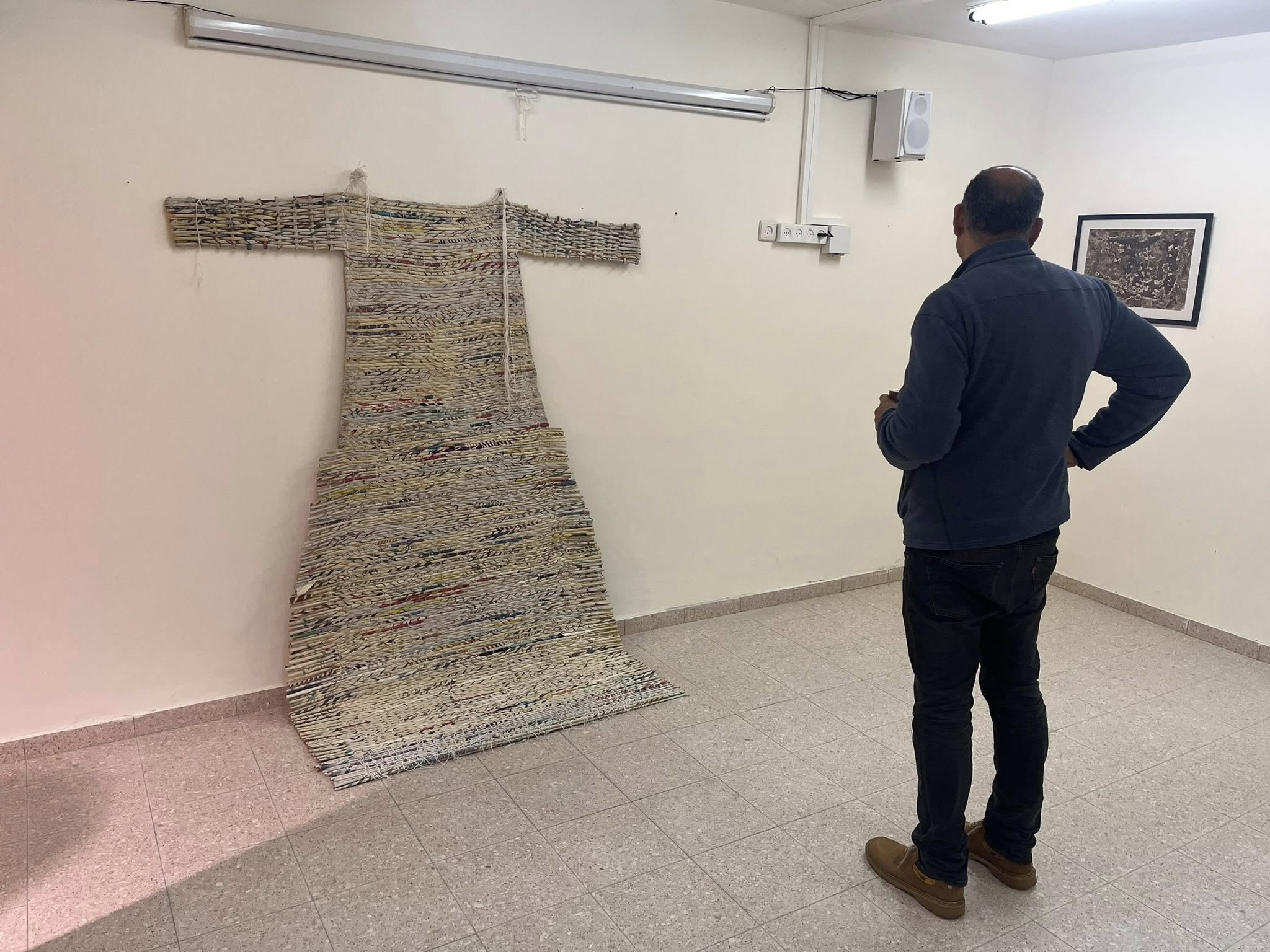
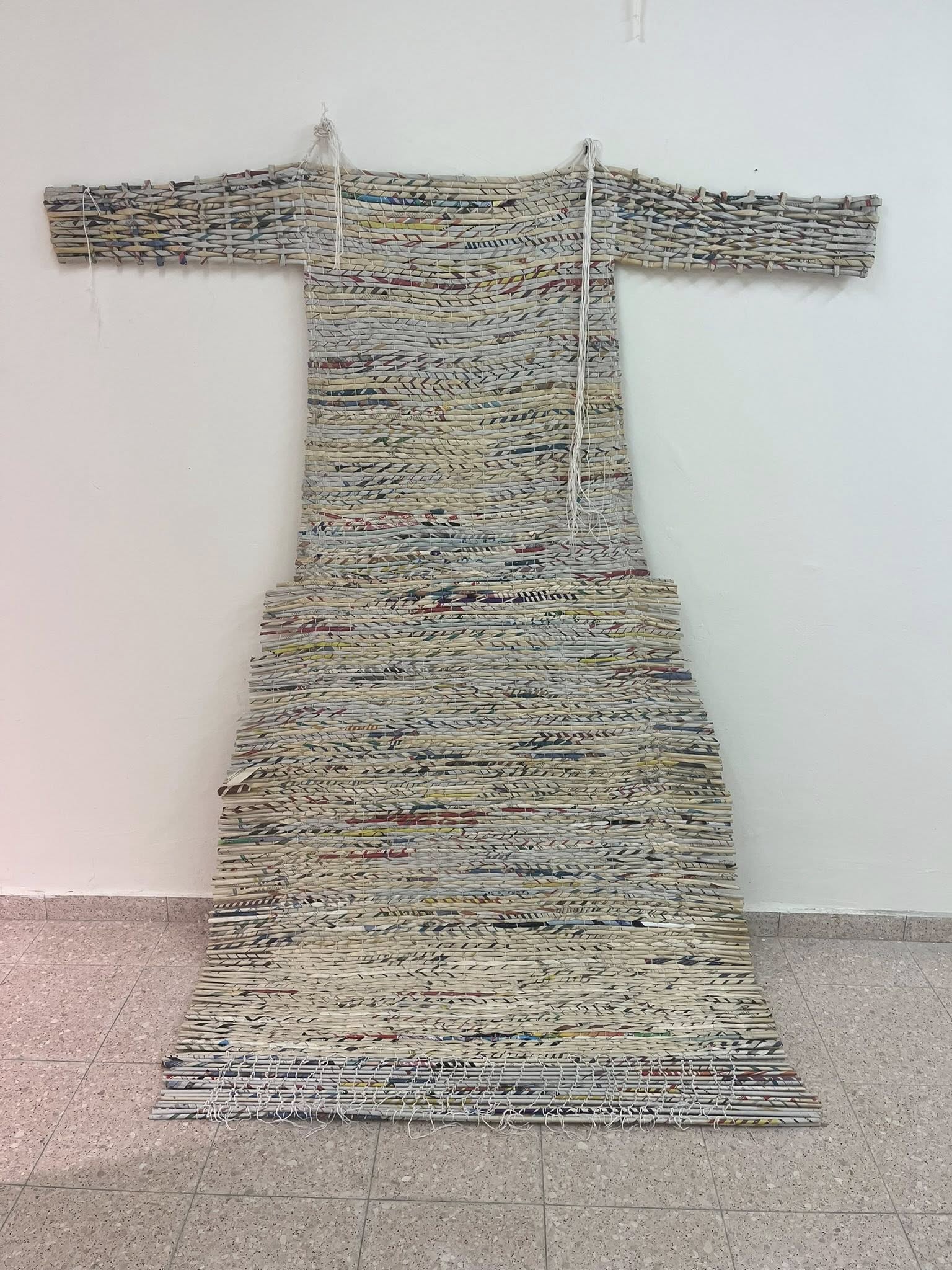
The Dress
The dress was designed to resemble a carpet, symbolizing warmth, shelter, and family in Bedouin heritage. This work highlights the deep contrast between traditional and modern art, between what is accepted and desired and what is forbidden. It also reflects a challenge to conservative artistic standards through the use of unconventional techniques.
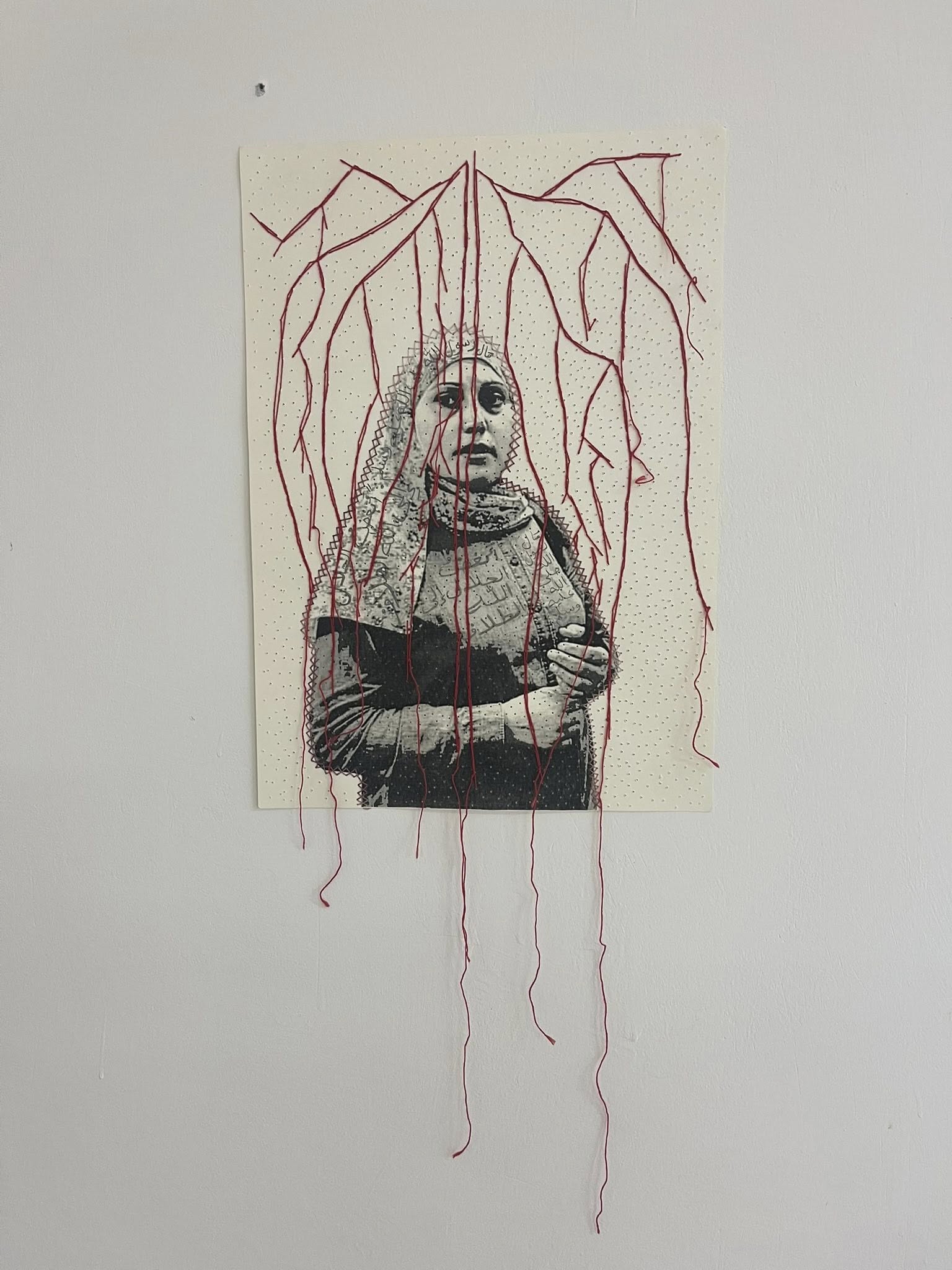
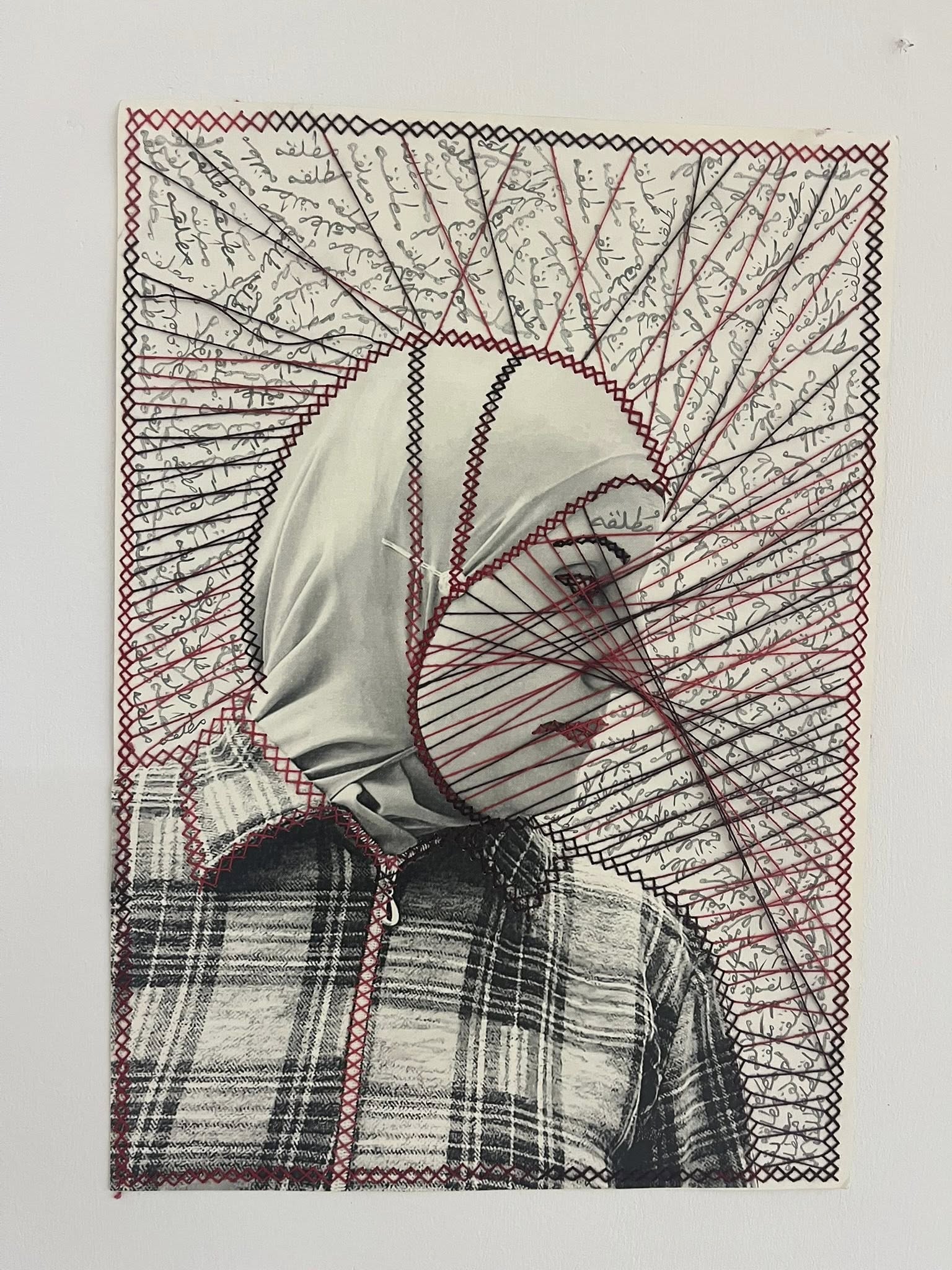
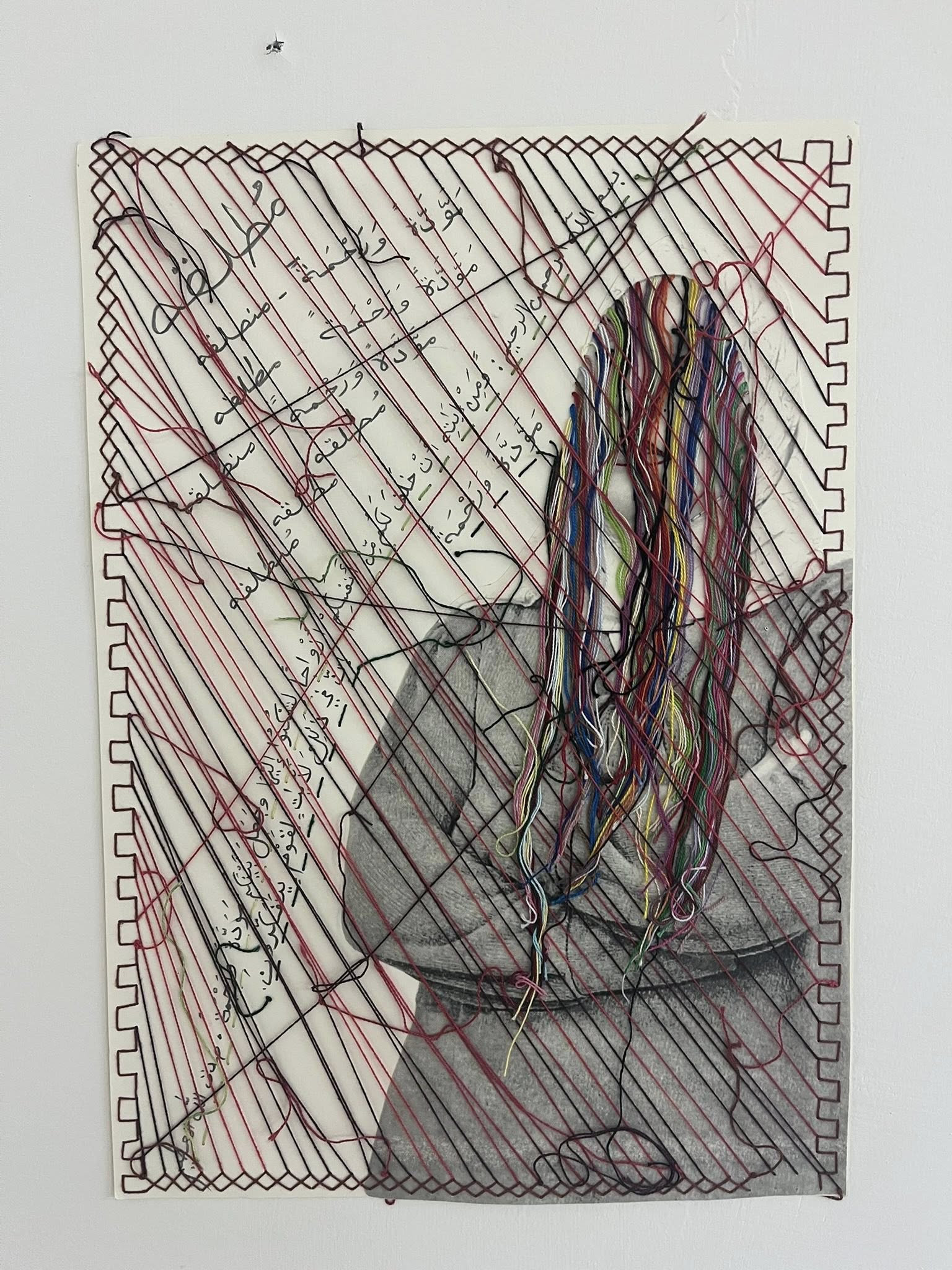
The “Self Portrait” Collection
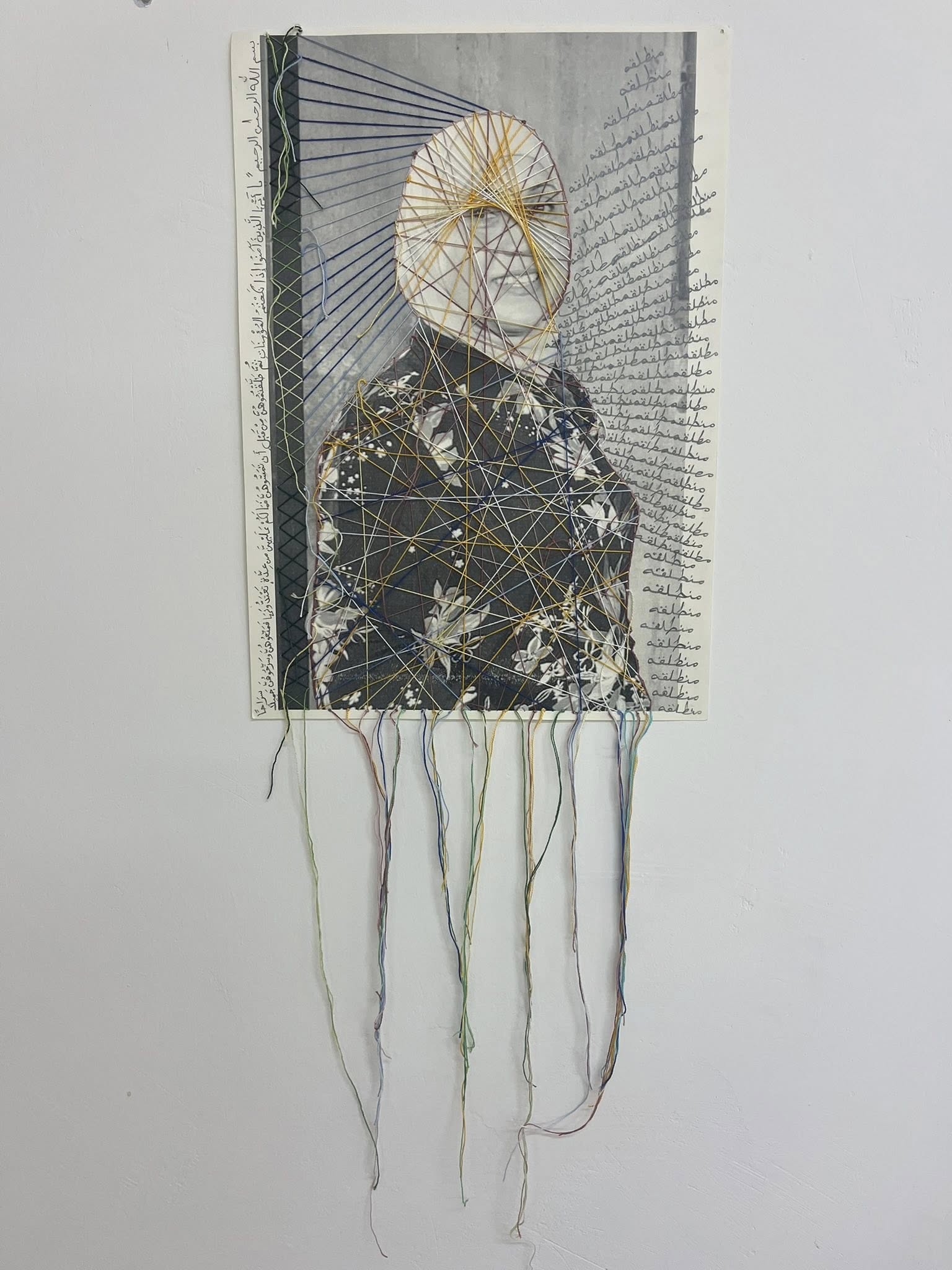
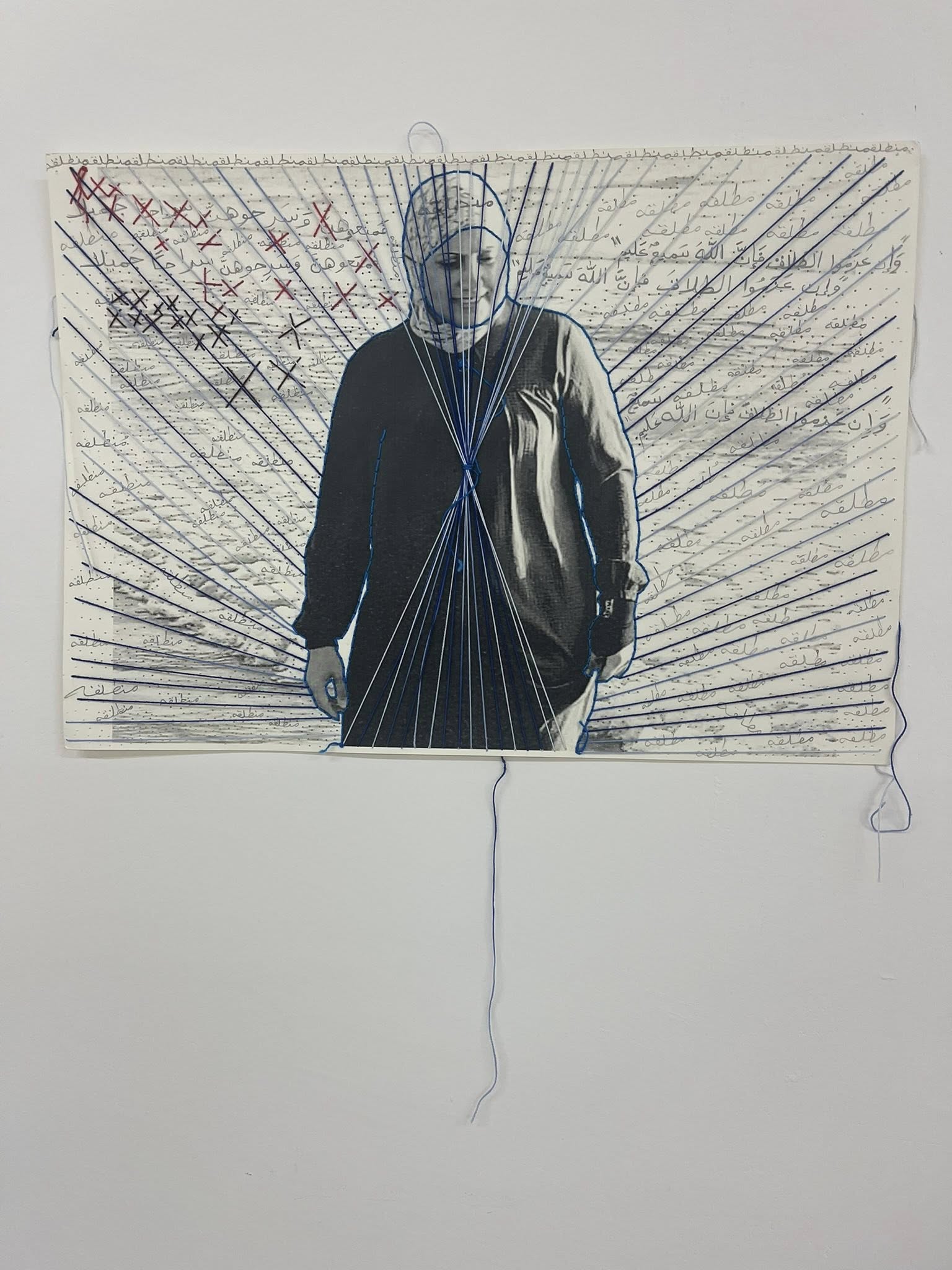
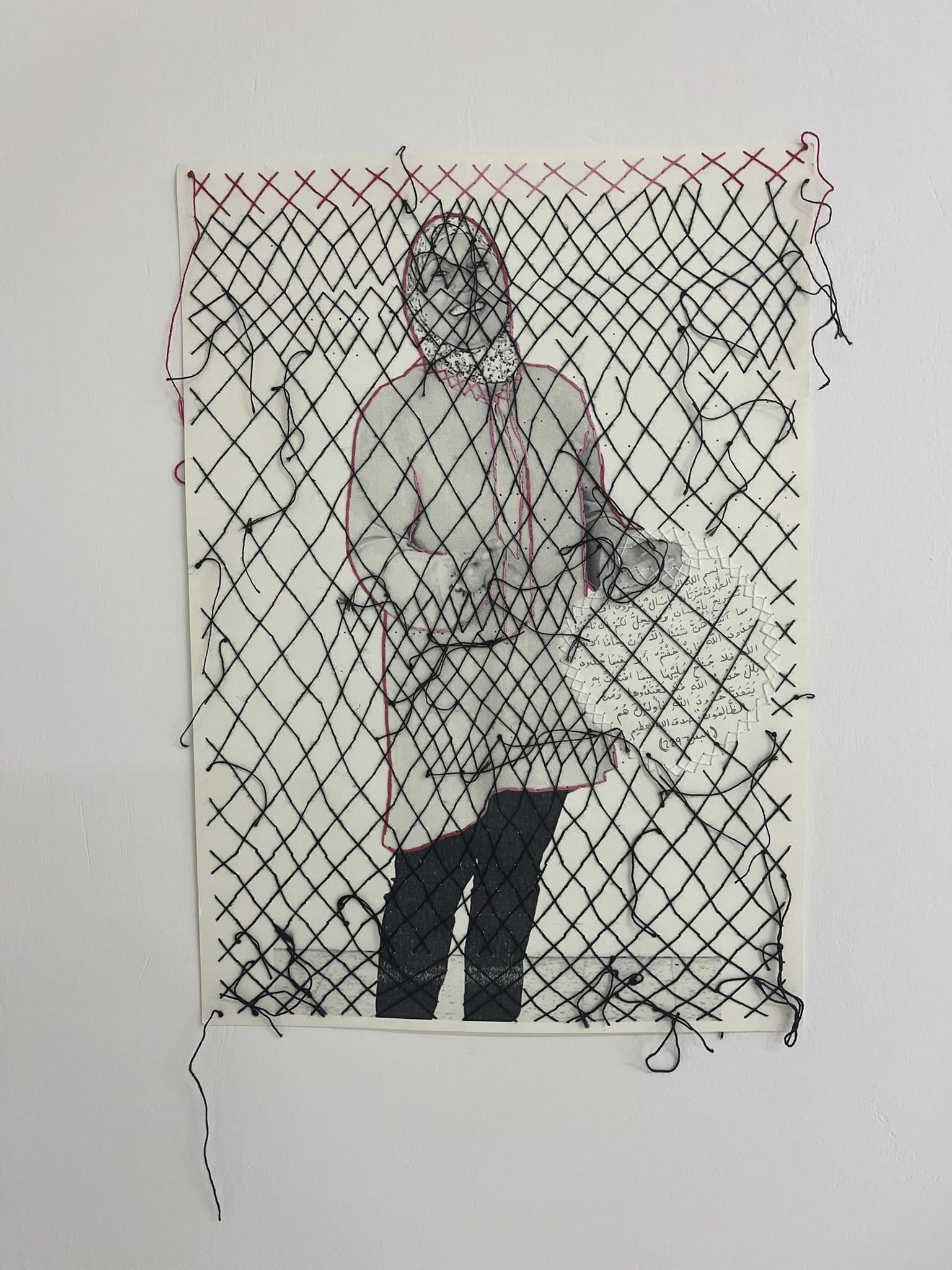
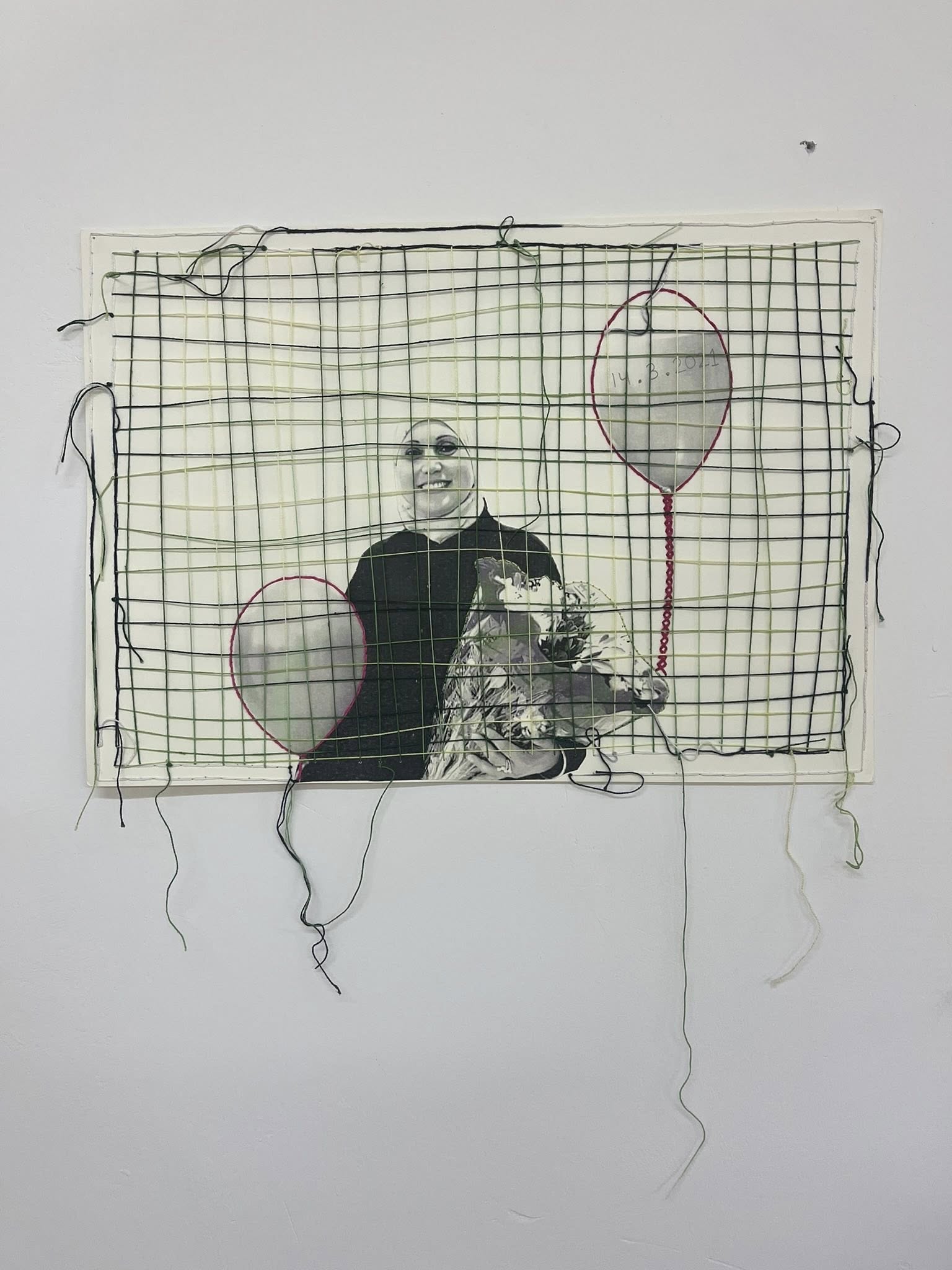
In this collection, the artist used needle and thread, piercing the artwork as a symbol of the pain and suffering she endured before her liberation.
At the same time, she sees these holes as openings through which pain, sorrow, and painful memories can escape.
In her artistic poses, we notice that she stands upright and proud, radiating a sense of freedom, dignity, and defiance.”