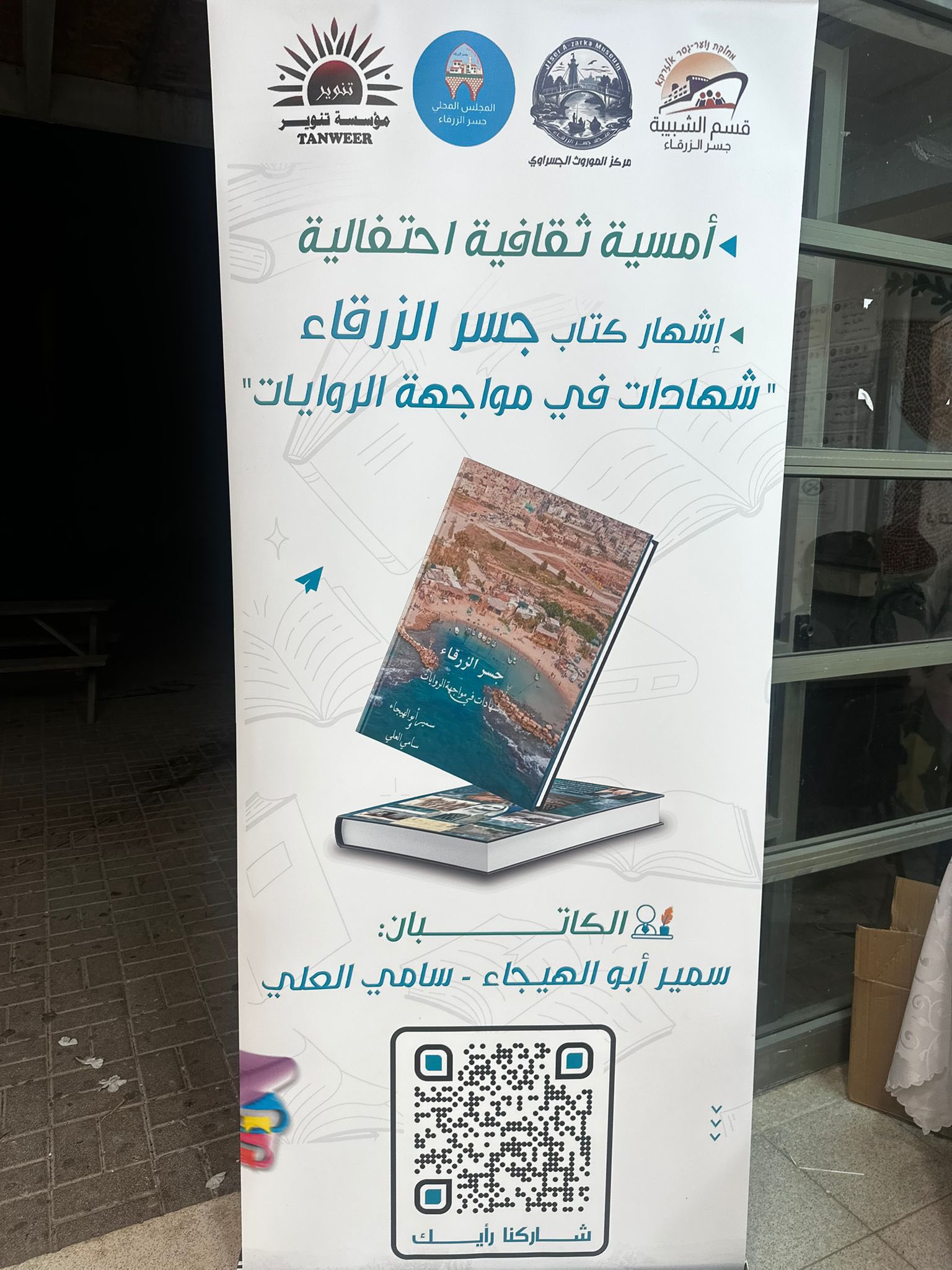

A Cultural Evening to Launch the Book
“Jisr az-Zarqa – Testimonies in Confrontation with Narratives”
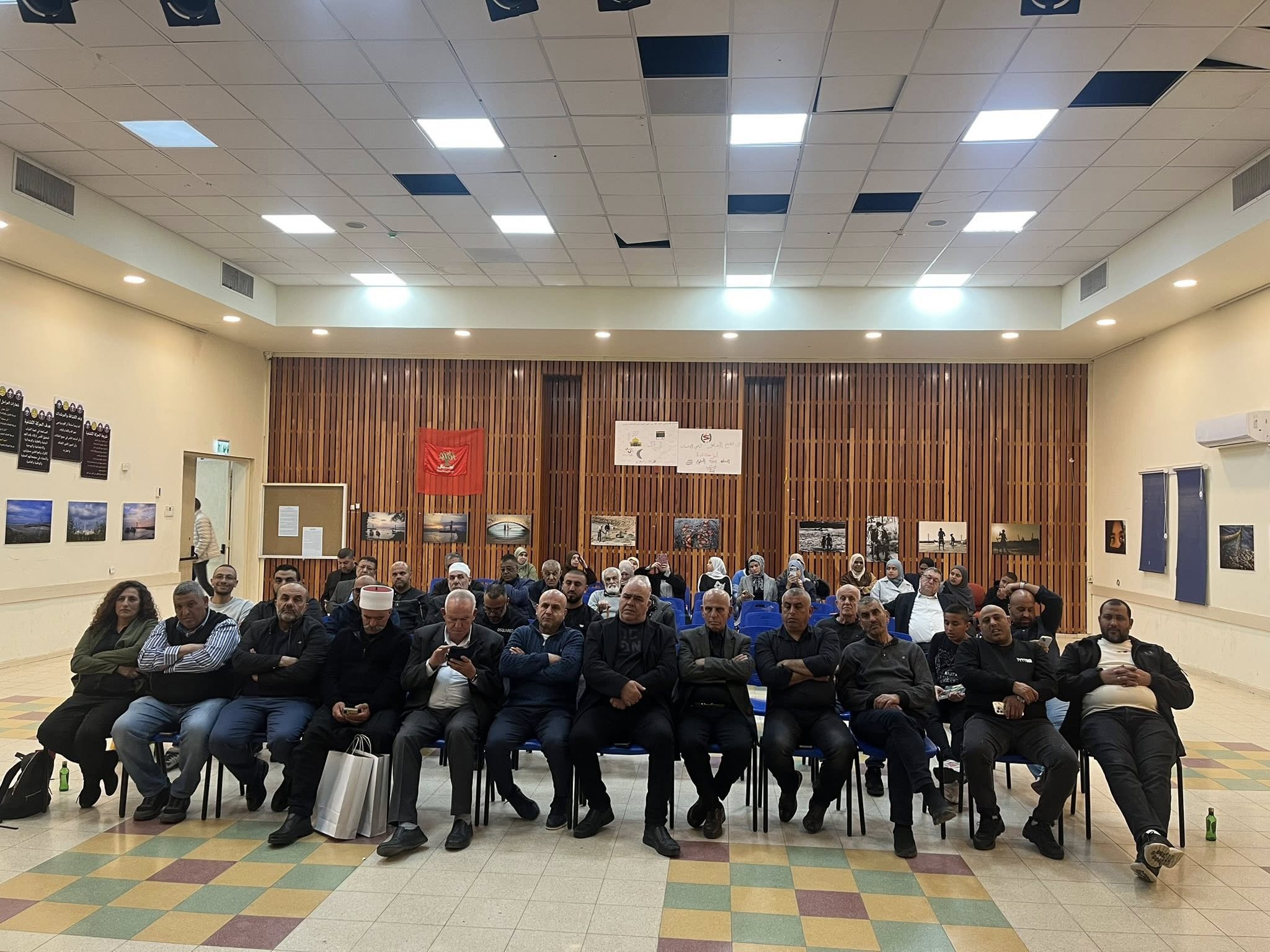
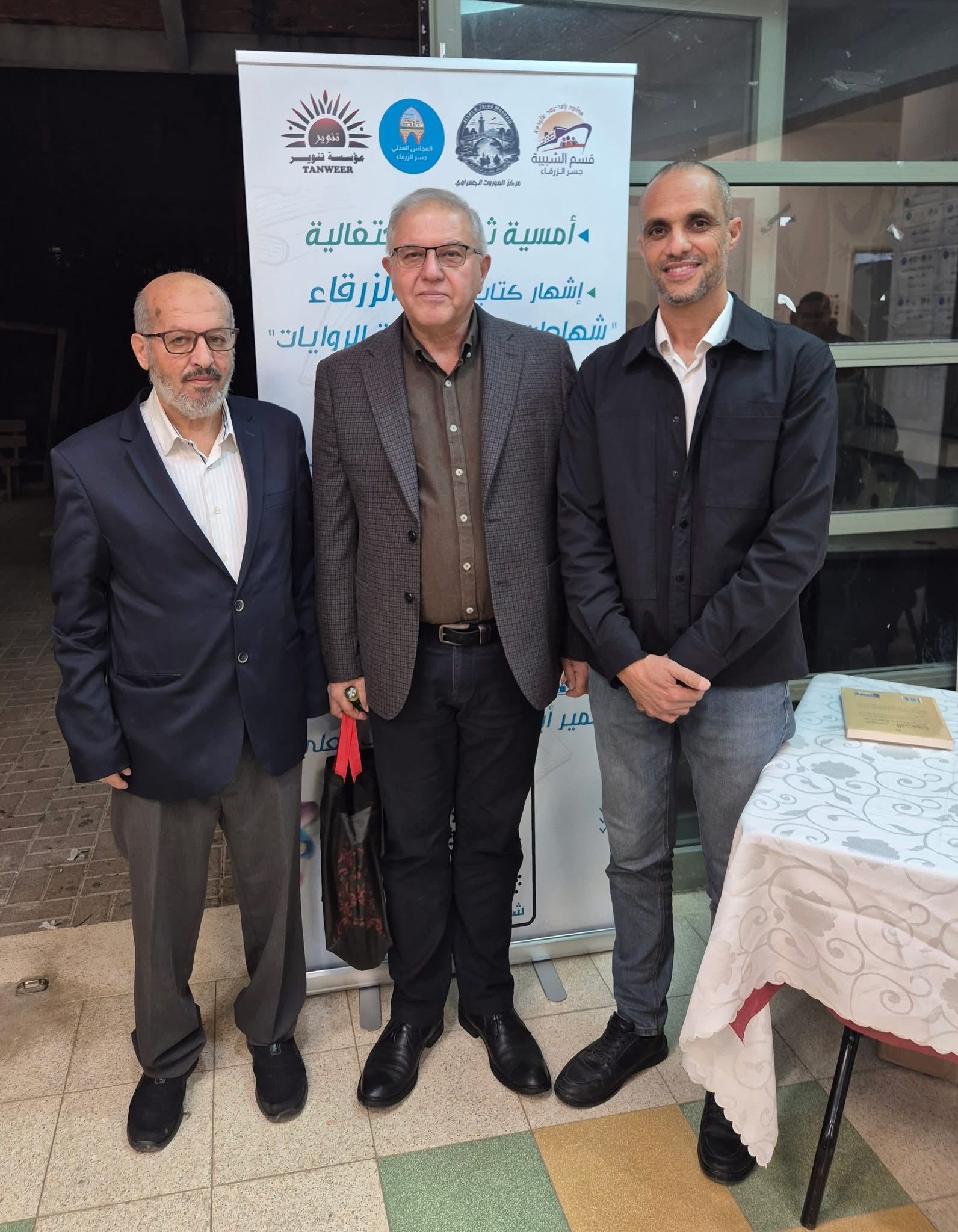
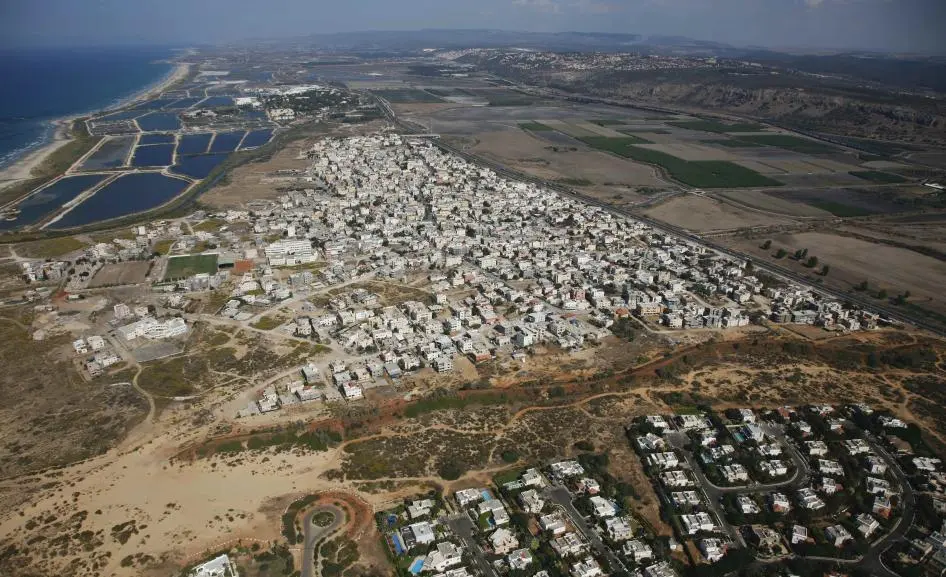
The community center in the village of Jisr az-Zarqa hosted, on the evening of Monday, February 16, 2026, a distinguished cultural event to launch the book “Jisr az-Zarqa – Testimonies in Confrontation with Narratives” by its authors Samir Abu Al-Hijaa and Sami Al-Ali. The event was attended by a large audience from the village, along with guests from various Arab towns, and saw notable participation from young people—reflecting the vitality of the village and the community’s commitment to documenting its collective memory and preserving its historical narrative.
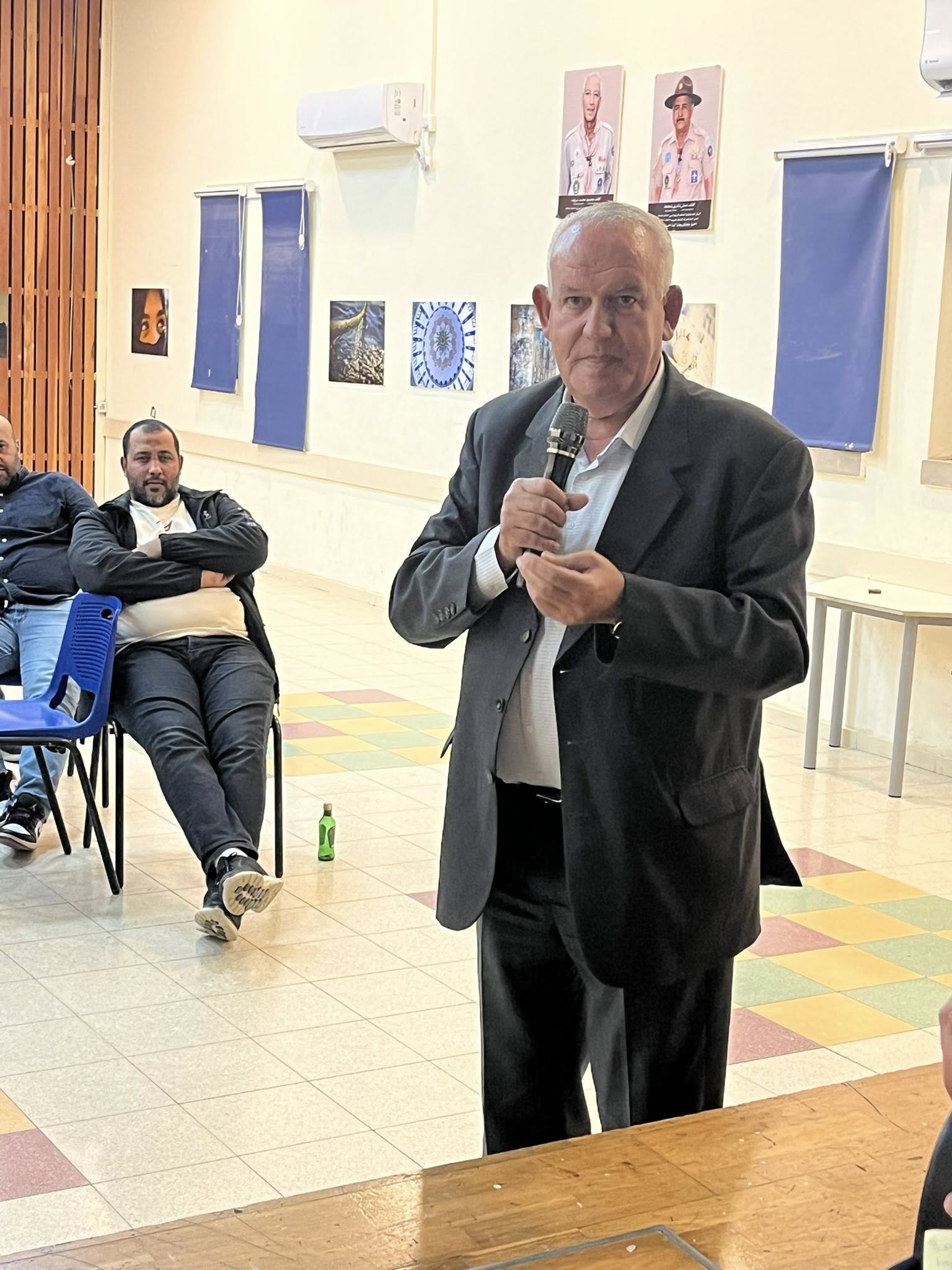
The evening opened with a welcoming speech by the head of the local council, Sheikh Murad Ammash, who emphasized the importance of this cultural occasion, stating: “Jisr az-Zarqa is not just a village, but a story of resilience and identity. Documenting its history is a fundamental step in safeguarding our collective memory and strengthening the connection of future generations to their roots.”
Dr. Mohammad Jarban, a member of the Jisrawi Heritage Center, also delivered a speech addressing the role of cultural institutions in preserving local heritage. He noted that documenting local history forms the cornerstone of building collective awareness and equips communities with the tools to defend their narrative against marginalization, exclusion, and erasure.
Suhad Kabha, director of the “Tanweer” Foundation, highlighted the importance of community-based cultural initiatives, saying: “Culture is not a luxury—it is a tool for empowerment and development. Such initiatives enhance a community’s self-confidence and restore the value of memory as a key element in shaping identity.”
Mahmoud Ammash, director of the Youth Department at the local authority, moderated the evening with a poetic and engaging style, noting: “This event is part of the growing cultural movement in Jisr az-Zarqa, which seeks to strengthen the village’s presence in the cultural and historical sphere and to affirm its position as a guardian of national and human memory, despite ongoing policies of isolation and marginalization.”
A Photographic Exhibition Documenting Life and People
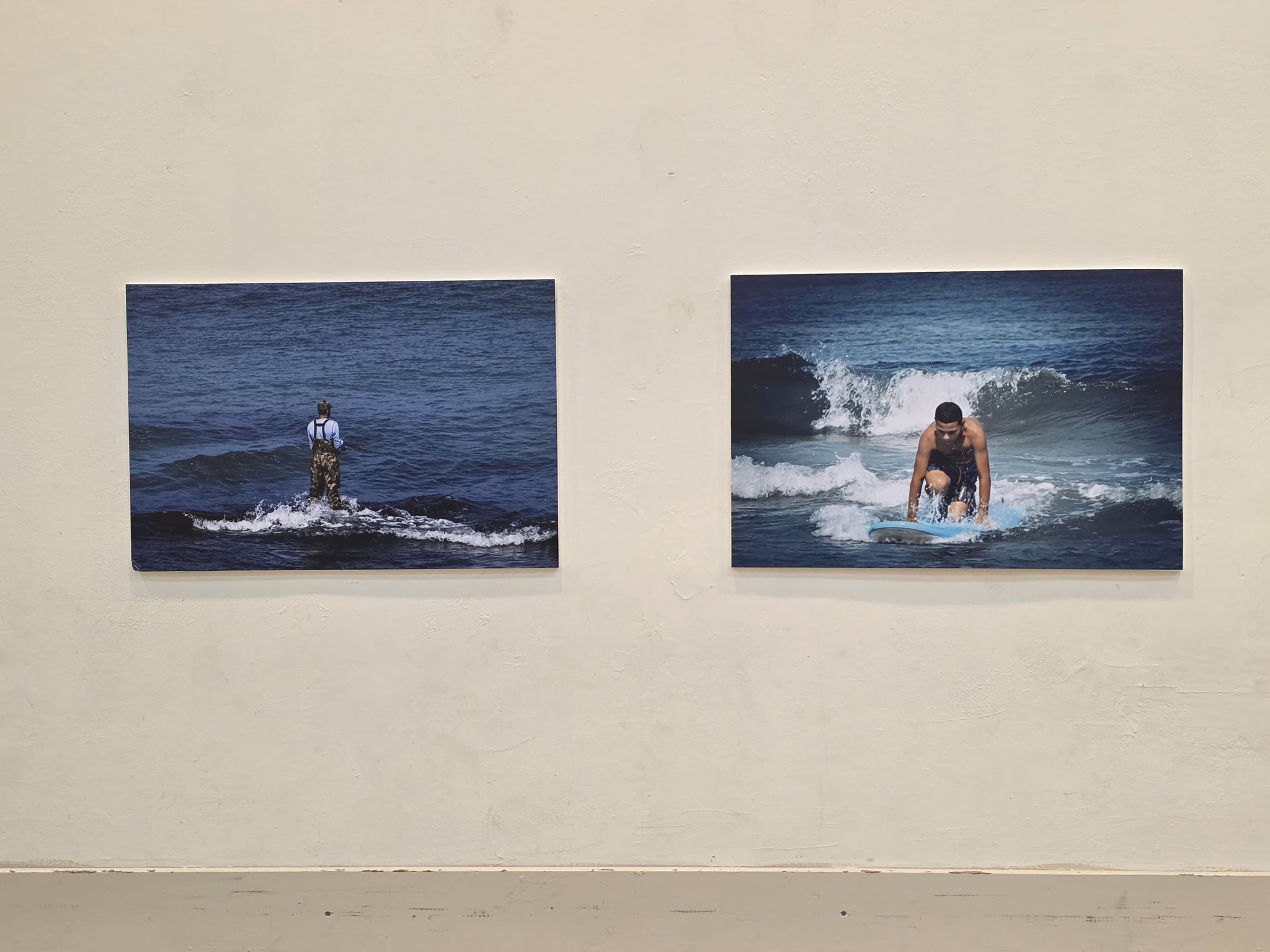
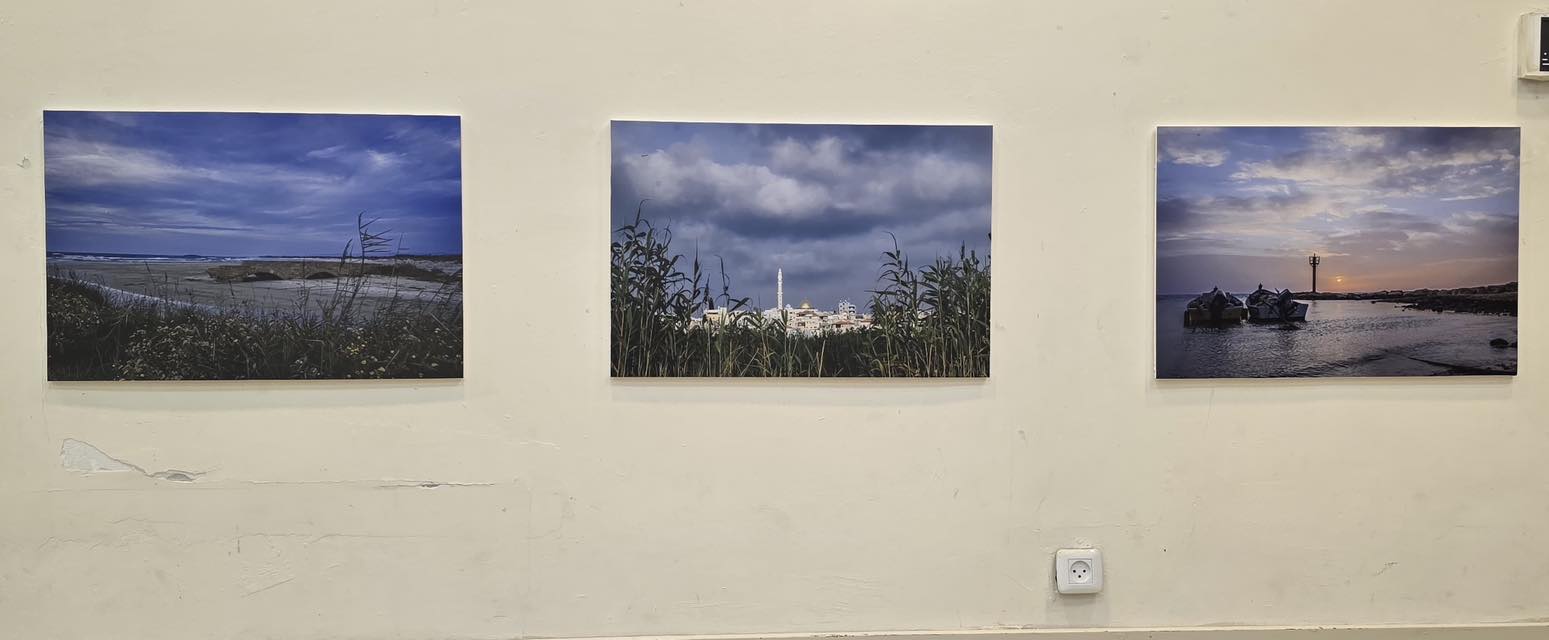
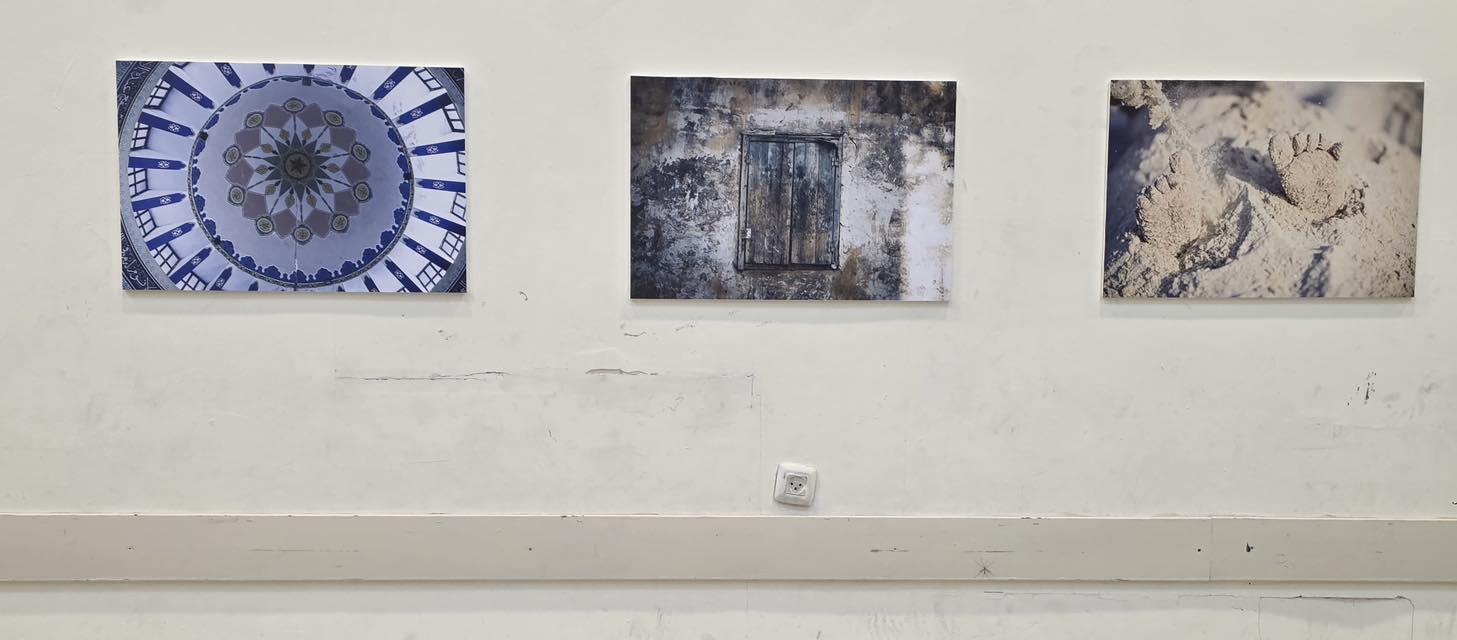
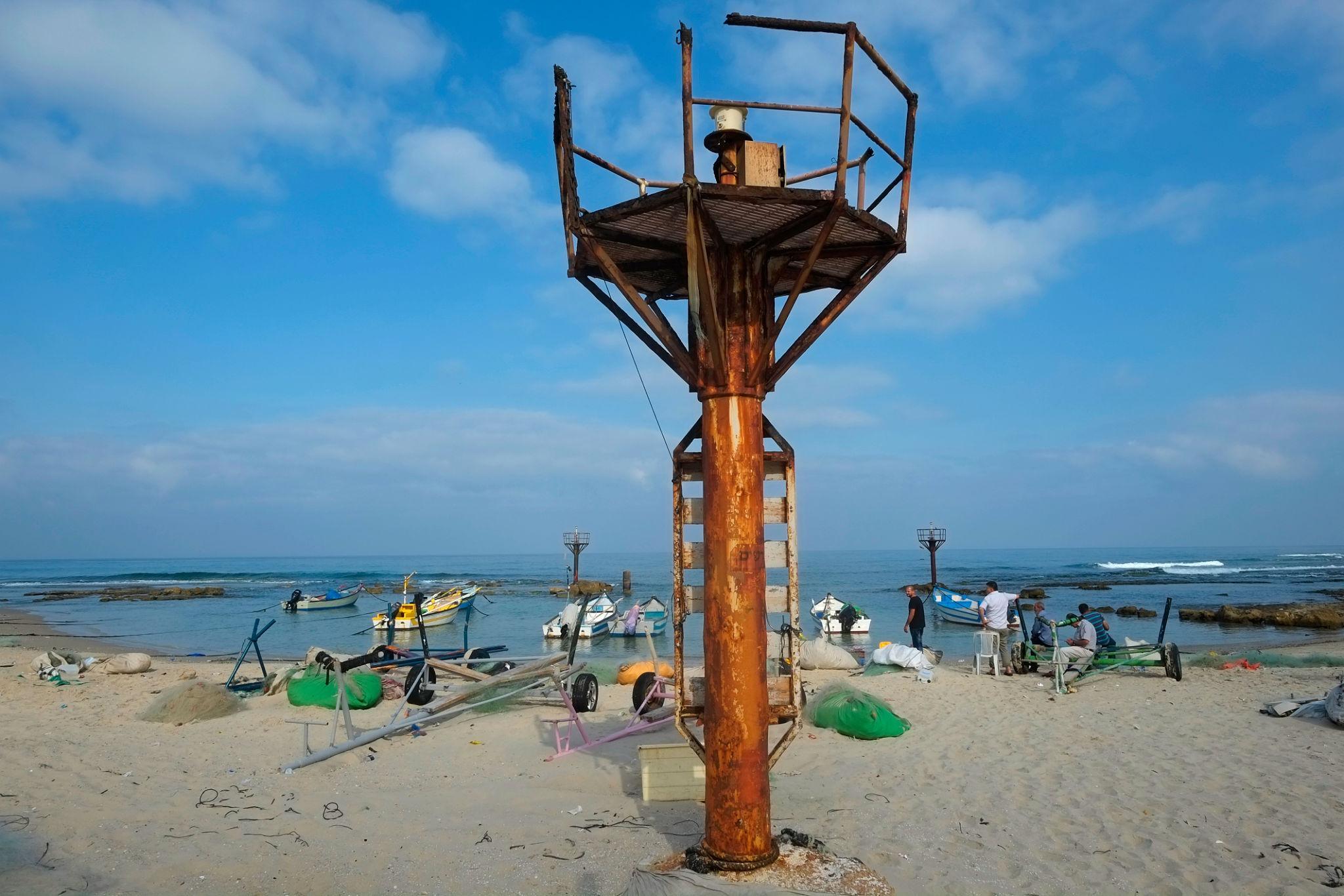
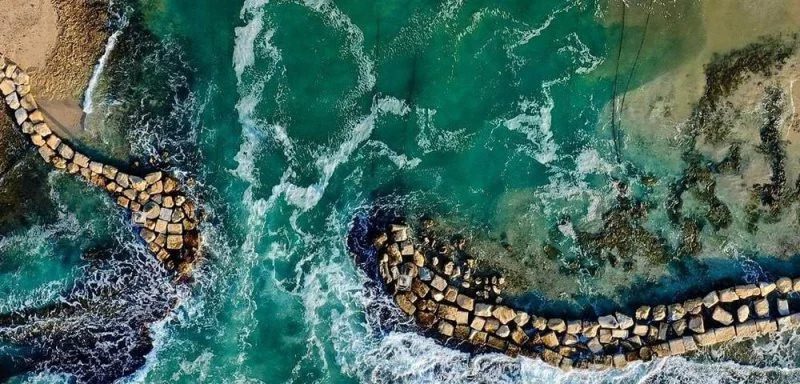
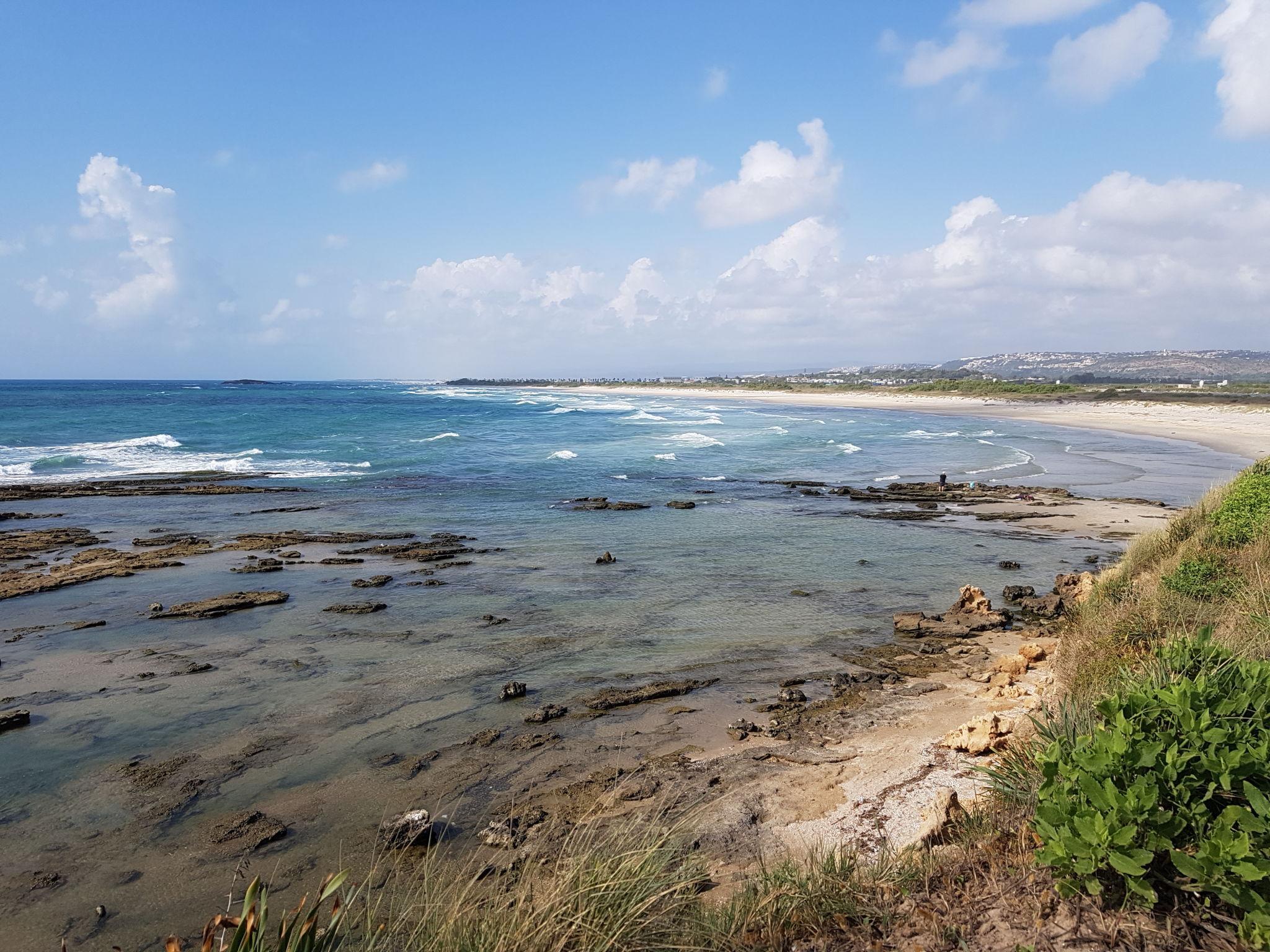
The evening also featured the افتتاح of a photographic exhibition titled “Features” by local photographer Ramia Jarban. The exhibition presented a collection of images capturing daily life in Jisr az-Zarqa and reflecting the deep connection between people, place, and the sea. It added a visual dimension complementing the book, bringing the narrative to life through imagery alongside words.
Poet Khaled Ighbariya also contributed with a poetry segment, expressing the deep bond between the people of Jisr az-Zarqa and their land and memory. He noted that poetry and documentation meet at a common point: preserving human truth from oblivion and transforming memory into a force for continuity.
A Dialogue on Memory and Oral History
The event included a panel discussion moderated by Wasima Ammash, who stressed the importance of documenting oral history and the role of archives in reconstructing local narratives. She highlighted the strong youth attendance as a positive sign of growing cultural awareness among the younger generation and their interest in their village’s history and identity.
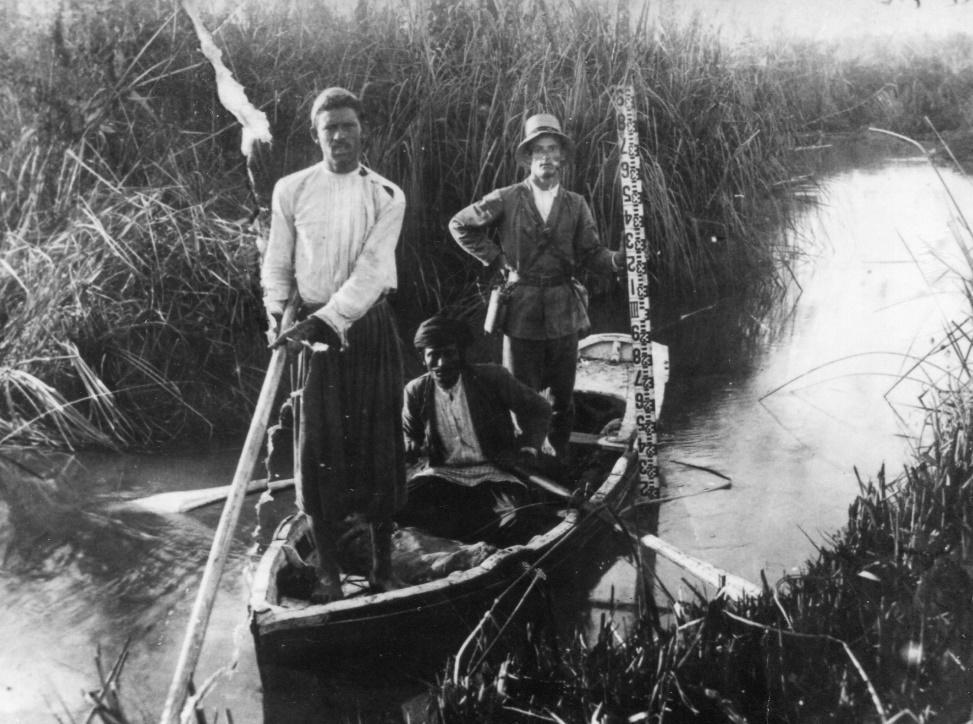
Author Samir Abu Al-Hijaa explained that collecting testimonies took years, adding: “We were keen for this book to serve as a platform for the voices of Jisr az-Zarqa’s people, relying on living testimonies and original documents, because the true narrative emerges from the people themselves and their deep connection to the land.” He also touched on the life of women in Jisr az-Zarqa and their struggle for resilience and survival.
Co-author and maritime heritage researcher Sami Al-Ali stated: “This project is not merely documentation—it is an act of reclaiming collective memory and a serious attempt to restore recognition to the testimonies of ordinary people who lived history and shaped its features.” He added that documenting local narratives is both a moral and historical responsibility to ensure the truth is passed on to future generations, expressing hope to expand the project through additional materials and digital cultural initiatives.
Historian Dr. Johnny Mansour, who participated in the discussion, emphasized the historical significance of the book, stating: “Its importance lies in its reliance on both living testimonies and archival sources, which together form the most credible foundation for writing history. History is not written solely through official documents, but also through people’s memories.” He described the work as a professional and scientific model for transforming oral memory into reliable historical documentation.
He added: “Jisr az-Zarqa represents a unique historical and human case. This book helps correct many misconceptions and reaffirms the organic relationship between people and their land, showing that local narratives are not merely stories, but an integral part of the broader Palestinian history.”
Participants in the discussion stressed the importance of continuing research and documentation efforts and producing expanded future editions of the book to further strengthen Jisr az-Zarqa’s presence in the wider Palestinian historical context.
The evening concluded with contributions from community, cultural, media, and youth figures who expressed their appreciation for this cultural and documentation achievement. The authors, Samir Abu Al-Hijaa and Sami Al-Ali, were honored in recognition of their efforts in preserving collective memory and promoting historical awareness, in a celebratory atmosphere reflecting the community’s pride in this important initiative—one that marks a significant step in documenting the history of Jisr az-Zarqa for future generations.