
When Names Are Erased, Memory Is Erased – A Call to Reclaim Place and Identity
By Dr. Mohammad Mustafa Jarbaan, Board Member of the Jisr az-Zarqa Heritage Center
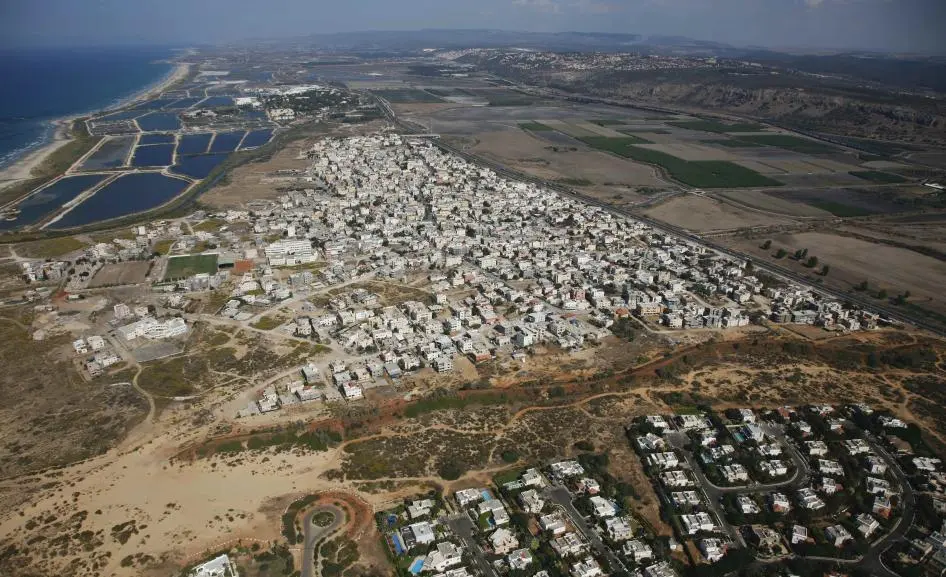
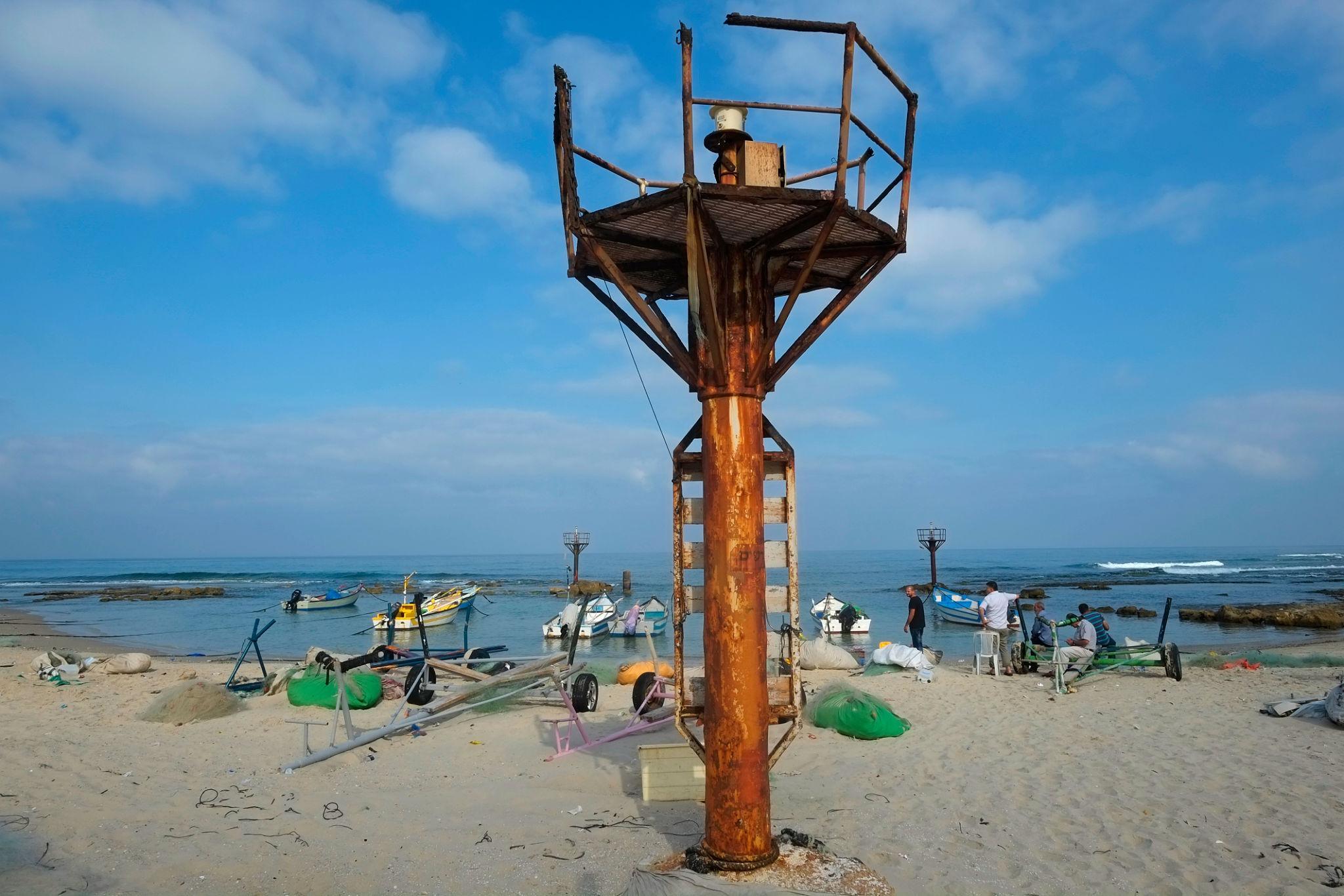
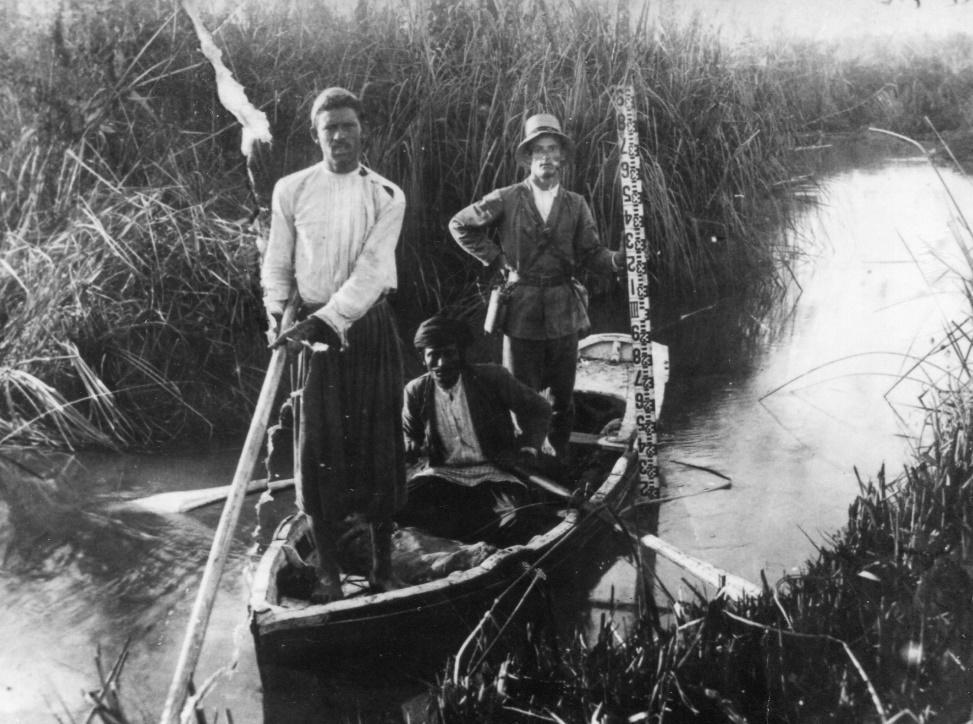
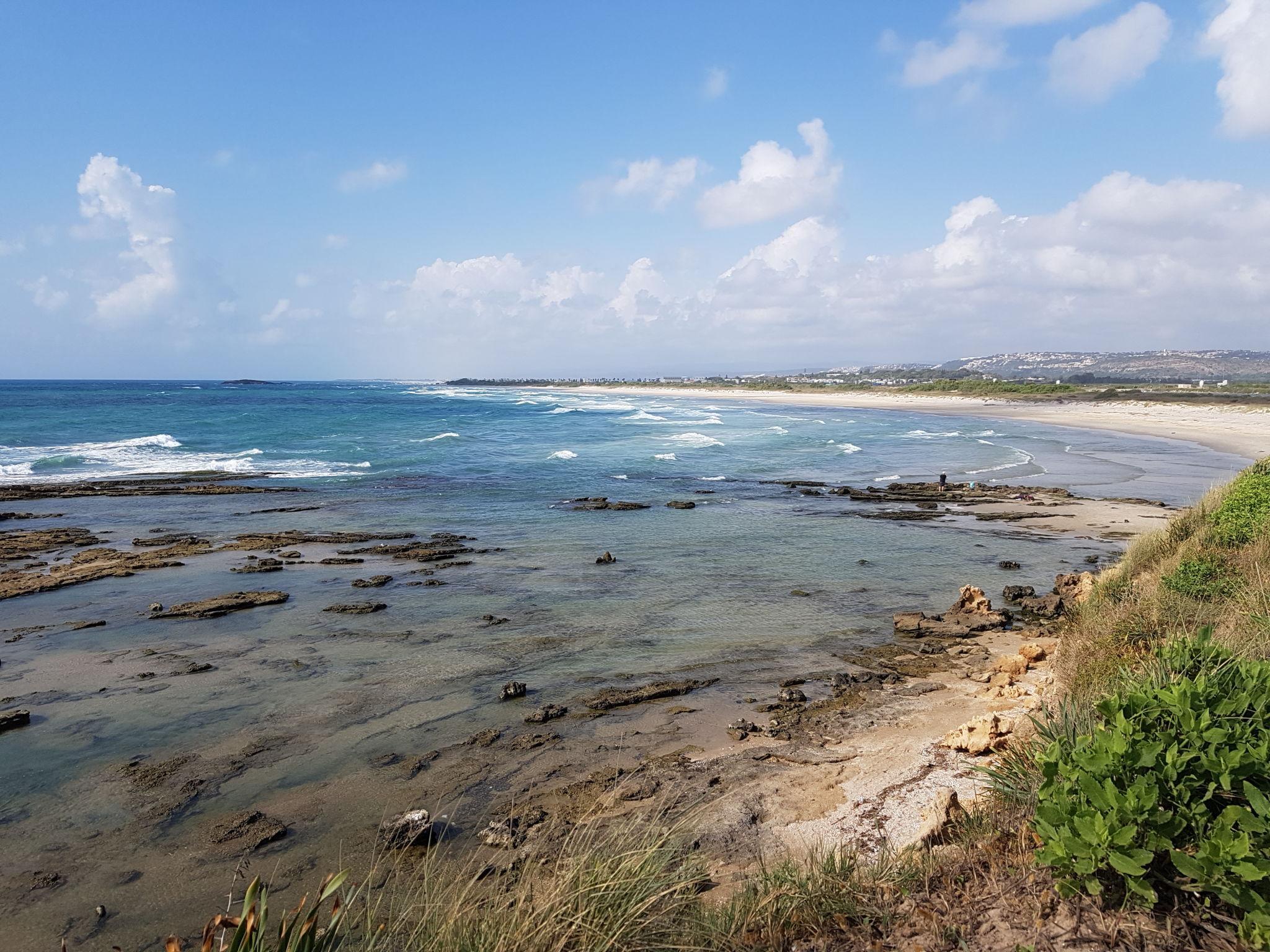
Collective memory is not merely a narration of past events; it is a living record of what has shaped our shared consciousness and cultural identity. From this perspective, both citizens and authorities bear responsibility for recalling everything that has faded or been erased from our collective awareness due to policies of obscuring or suppression—such as Tel Mubarak, Joura al-Salmon, Birket al-Bat, al-Shomariya, al-Mawaris, al-Dabdabiyya, al-Hariqa, al-Nattār, al-Barra, Zadan Cemetery, Sheikh Salem Cemetery, al-Qutoo‘, and many other names that once filled the place with fragrance and memory, before disappearing beneath the rubble of deliberate forgetting.
Collective memory is a fundamental pillar in the construction of any nation’s identity and the continuity of its historical existence. It represents the sum of material and immaterial elements that connect people to their past and provide them with a sense of belonging to an ongoing civilizational trajectory. It is embodied in archaeological landmarks, monuments, and historically significant buildings, and reflected in intangible heritage such as customs, traditions, rituals, oral narratives, and poetry that mirror the spirit of a people and their shared experiences.
When these elements come together, they create a collective consciousness that shapes the nation’s identity, defines its cultural framework, and consolidates the value system from which it draws strength and direction. Through them, generations remain connected to their roots, making collective memory a bridge between a glorious past, a dynamic present, and a hopeful future.
However, preserving this memory cannot be left to individual initiative or limited efforts. It requires a comprehensive institutional framework with public authorities at its core.
Local authorities, through their cultural and educational institutions, bear a constitutional and moral responsibility to safeguard this heritage from erosion or distortion. This requires establishing clear guidelines for the protection of archaeological sites and historical landmarks, creating archives documenting both tangible and intangible heritage, and supporting institutions concerned with the history and culture of the locality.
Educational and cultural institutions should also integrate collective memory into educational programs, transforming it from a record of the past into a resource for shaping the present and strengthening national awareness.
Ultimately, when authorities fulfill this role with awareness and responsibility, they affirm that they are not merely administrators of present affairs, but guardians of identity and trustees of the memory that constitutes the soul of the community. Neglecting memory is a loss of self, while preserving it is an investment in the future—because nations that preserve their history preserve their capacity to endure and continue.